Museo de Cádiz
Cádiz's provincial museum on Plaza de Mina holds both Phoenician sarcophagi found in Spain and Zurbarán's Jerez paintings. Free for EU citizens; check rooms.
Cádiz’s five museums punch far above the size of the city, and every one of them is either free to enter or free for European Union citizens (€1.50 general admission at the flagship provincial museum).
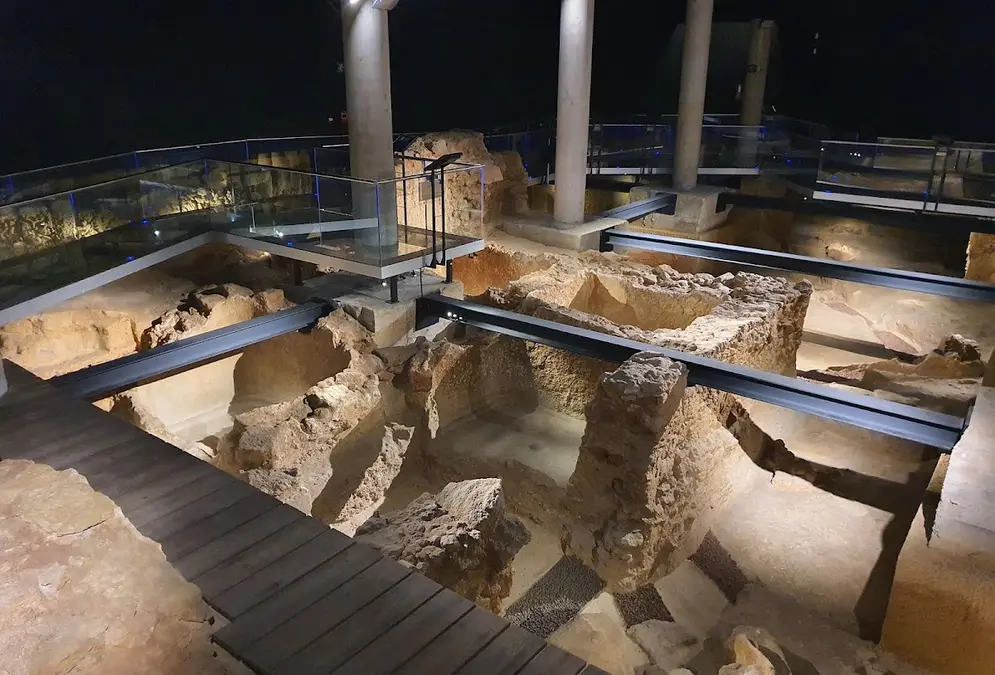
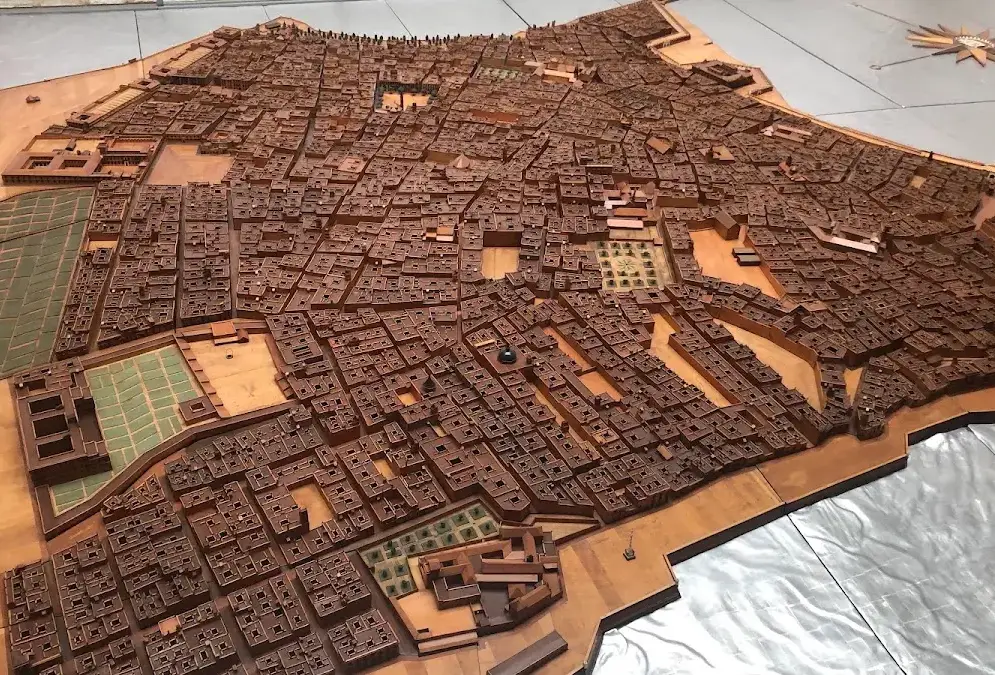
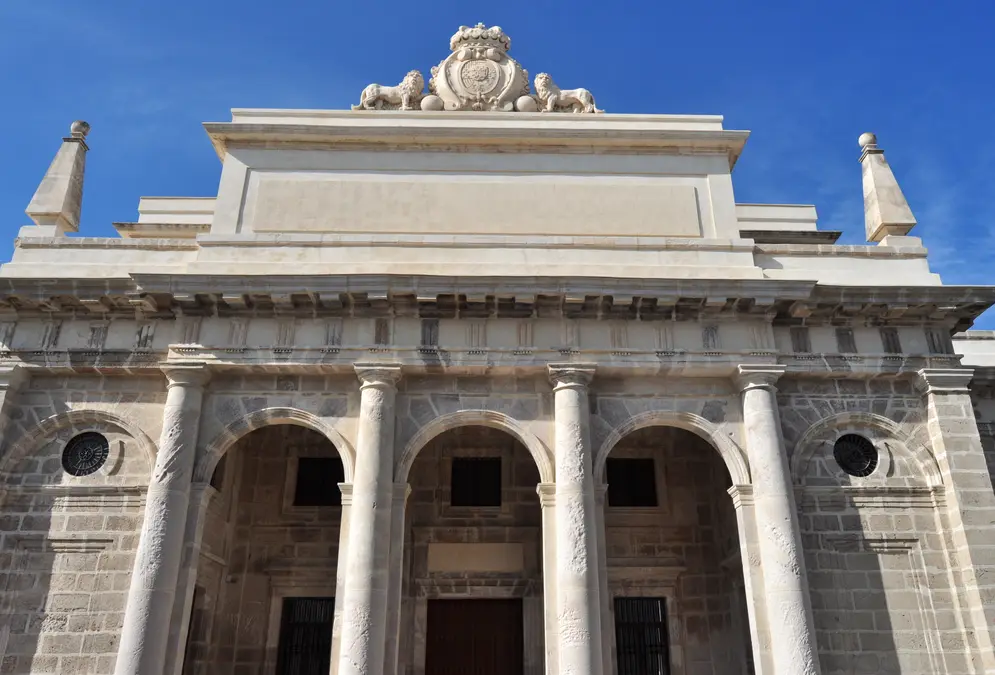
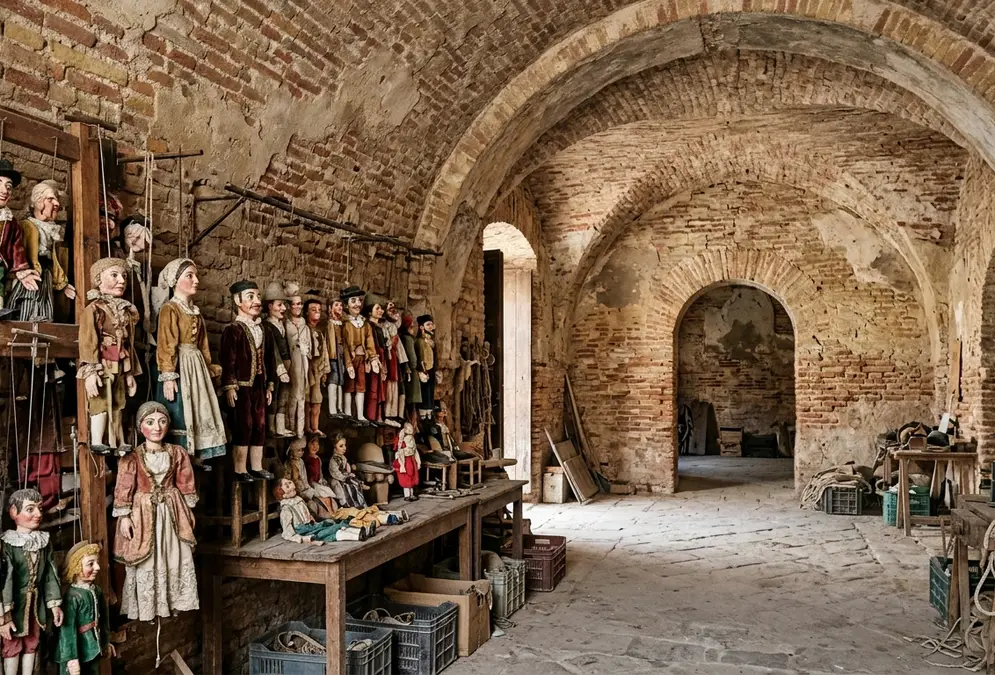
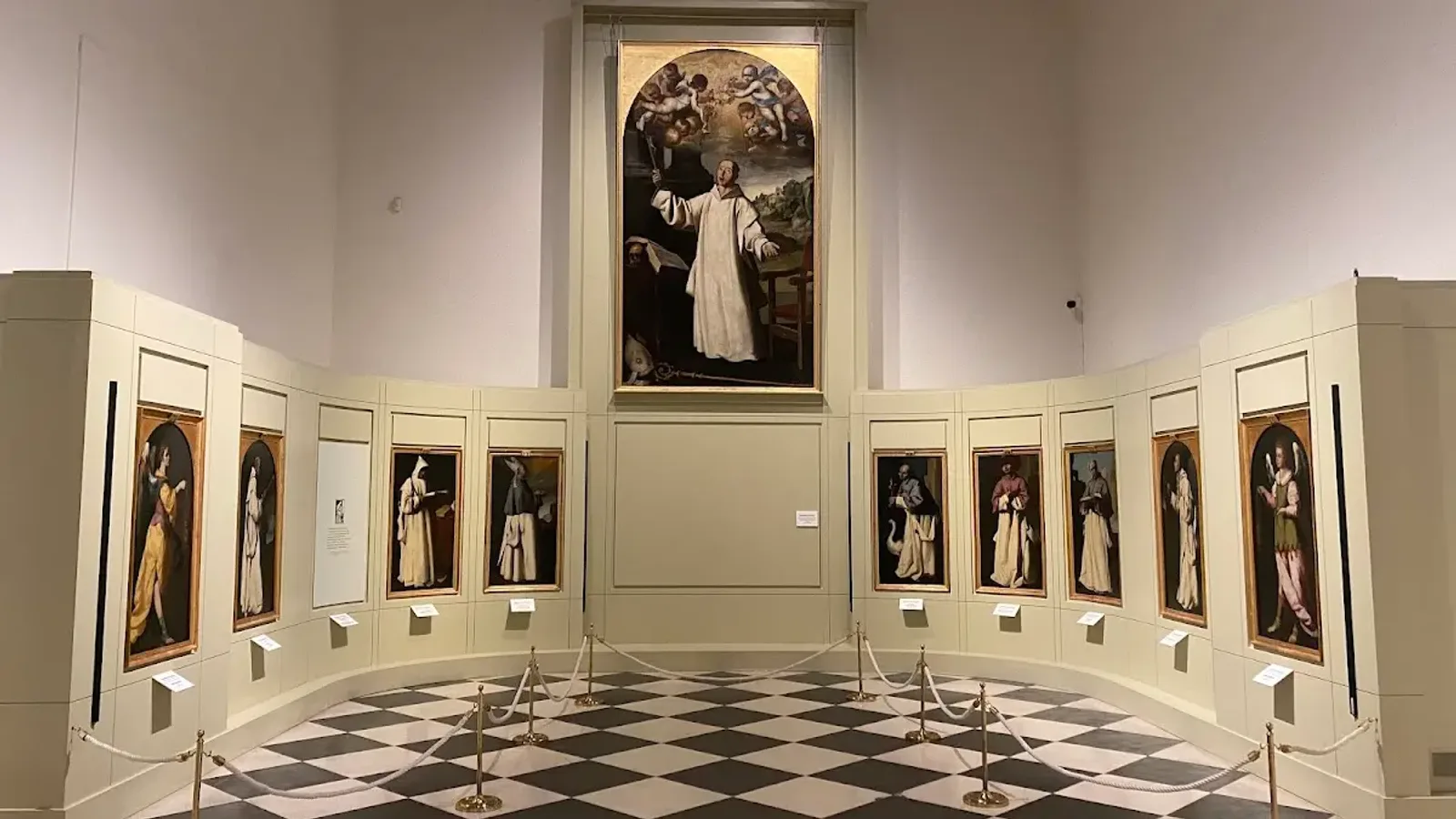
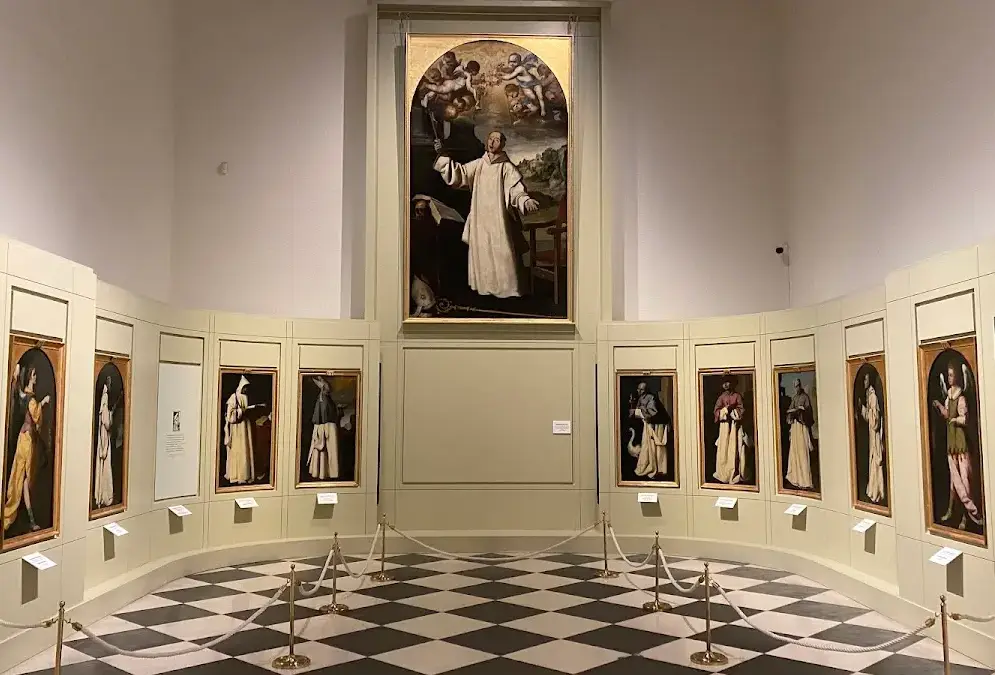
Start on leafy Plaza de Mina at the Museo de Cádiz, where two 5th-century BCE Phoenician anthropoid sarcophagi — unique in the Western Mediterranean — share a neoclassical palace with Roman bronzes and a remarkable upper gallery of Baroque saints by Francisco de Zurbarán. Five minutes south, Yacimiento Arqueológico Gadir lets you walk on suspended glass above 9th-century BCE Phoenician dwellings and Roman fish-salting basins. Next to the Oratorio de San Felipe Neri, the Museo de las Cortes de Cádiz houses the astonishing 1777 mahogany-and-ivory scale model commissioned by King Carlos III alongside relics of the 1812 Constitution, while Casa de Iberoamérica (the neoclassical former Royal Prison) and the family-favourite Museo del Títere inside the Puerta de Tierra vaults anchor the eastern flank of Santa María.
Ordered by priority for a first visit, with neighbourhood location and admission details.
Cádiz's provincial museum on Plaza de Mina holds both Phoenician sarcophagi found in Spain and Zurbarán's Jerez paintings. Free for EU citizens; check rooms.
Step beneath Cádiz's Teatro del Títere to see 9th-century BC Phoenician streets, mud-brick houses, cattle hoofprints and Roman fish vats. Free admission.
Free museum beside the Oratorio de San Felipe Neri with the 1777-79 Maqueta de Cádiz, Viniegra's 1812 painting and the siege room. Check the published hours.
Visit Cádiz's Casa de Iberoamérica in the 1794 former Royal Prison facing the Atlantic. Free entry to Latin American art, Vassallo sculptures and courtyards.
Inside 18 vaulted casemates at Cádiz's Puerta de Tierra, the free Museo del Títere displays 500+ global puppets and La Tía Norica. Check reopening updates.
Compare signature exhibits, admission policies, and how much time to budget at each venue.
| Museum | Location | Admission | Time Needed | Don't Miss |
|---|---|---|---|---|
| Museo de Cádiz | Plaza de Mina (Centro) | Free EU / €1.50 | 60–90 min | Phoenician anthropoid sarcophagi & Zurbarán rooms |
| Yacimiento Arqueológico Gadir | Calle San Miguel (Centro) | Free (timed pass) | 45 min | 9th-century BCE Phoenician streets & Mattan's skeleton |
| Museo de las Cortes de Cádiz | Calle Santa Inés (Centro) | Free | 40–60 min | 1777 mahogany-and-ivory scale model of Cádiz |
| Casa de Iberoamérica | Barrio de Santa María | Free | 30–45 min | Neoclassical Royal Prison courtyards & Latin American art |
| Museo del Títere | Puerta de Tierra Vaults | Free | 40–50 min | La Tía Norica traditional Cádiz puppets & global marionettes |
Yes — four of Cádiz’s five museums (Yacimiento Arqueológico Gadir, Museo de las Cortes de Cádiz, Casa de Iberoamérica, and Museo del Títere) are completely free for all visitors, while the flagship Museo de Cádiz on Plaza de Mina is free for EU citizens and charges a symbolic €1.50 for non-EU visitors.
The male and female 5th-century BCE marble Phoenician anthropoid sarcophagi — discovered in the necropolis of Cádiz in 1887 and 1980 — are displayed on the ground floor of the Museo de Cádiz on Plaza de Mina, alongside Roman statues from Baelo Claudia and Gades and an upper-floor series of Baroque canvases painted by Francisco de Zurbarán.
Yacimiento Arqueológico Gadir admits visitors in small timed groups because the glass walkways run directly above fragile 9th-century BCE Phoenician mud-brick streets and an multimedia briefing kicks off each pass. Admission is free, and tickets for the day’s passes are handed out at the entrance on Calle San Miguel (under the Teatro del Títere La Tía Norica), so stop by early in the morning to secure your preferred slot.
When a strong eastern Levante wind whips sand across the beaches, head indoors to the Museo del Títere inside the 18th-century Bóvedas de Santa Elena and the huge 1777 mahogany-and-ivory scale model of the city at the Museo de las Cortes de Cádiz. Both are free, interactive, and engaging for children; see our Cádiz with Kids Guide for more ideas.