Lucio Cornelio Balbo
c. 100–32 BCE
Patron Military
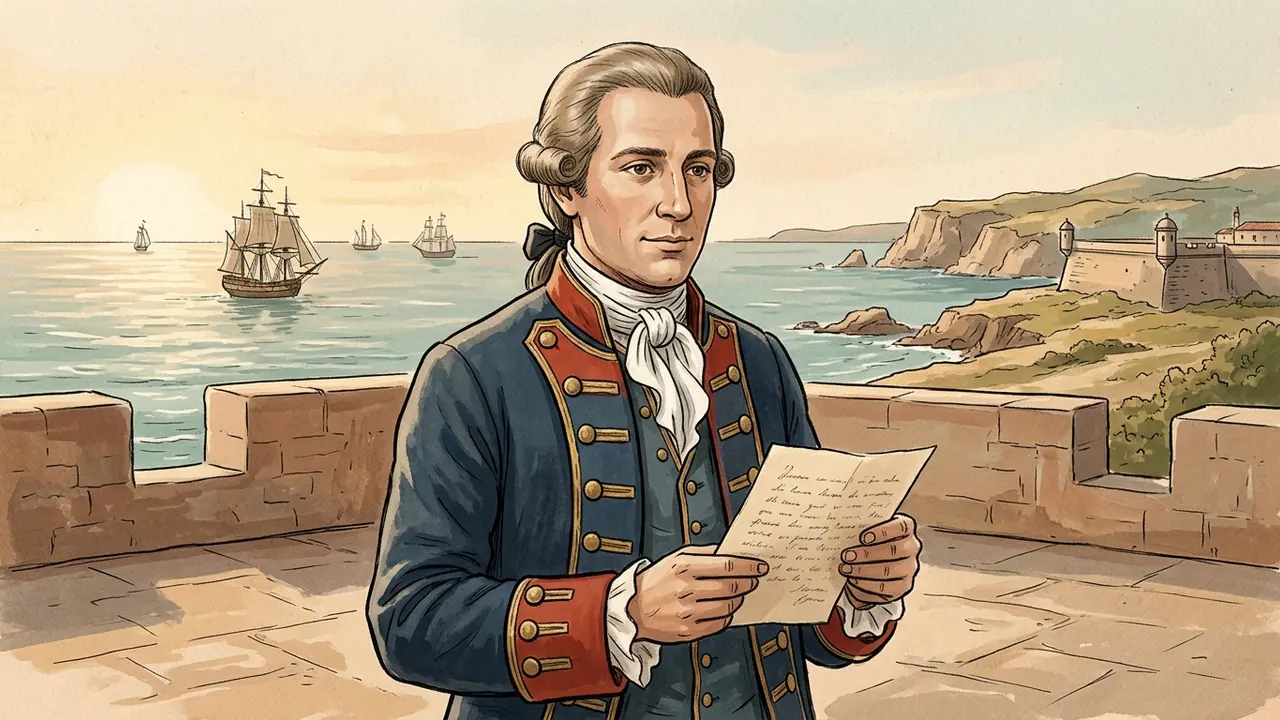
Lucius Cornelius Balbus was born in Gades (Cádiz) around 100 BCE and became the first naturalized Roman consul. See the Theatrum Balbi his nephew built.
Read the profile
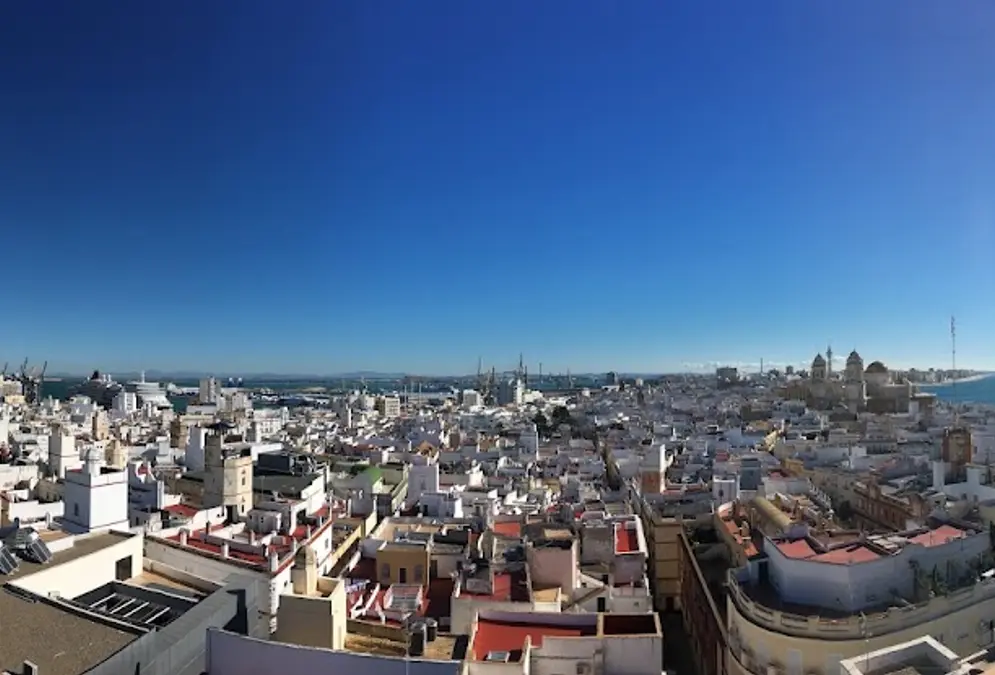
Follow Cádiz from Phoenician Gadir through Roman Gades, the Islamic centuries and the Atlantic trade to the Cortes of 1812 and the modern city. Each era gathers the people, the monuments still standing and the articles that go deeper.
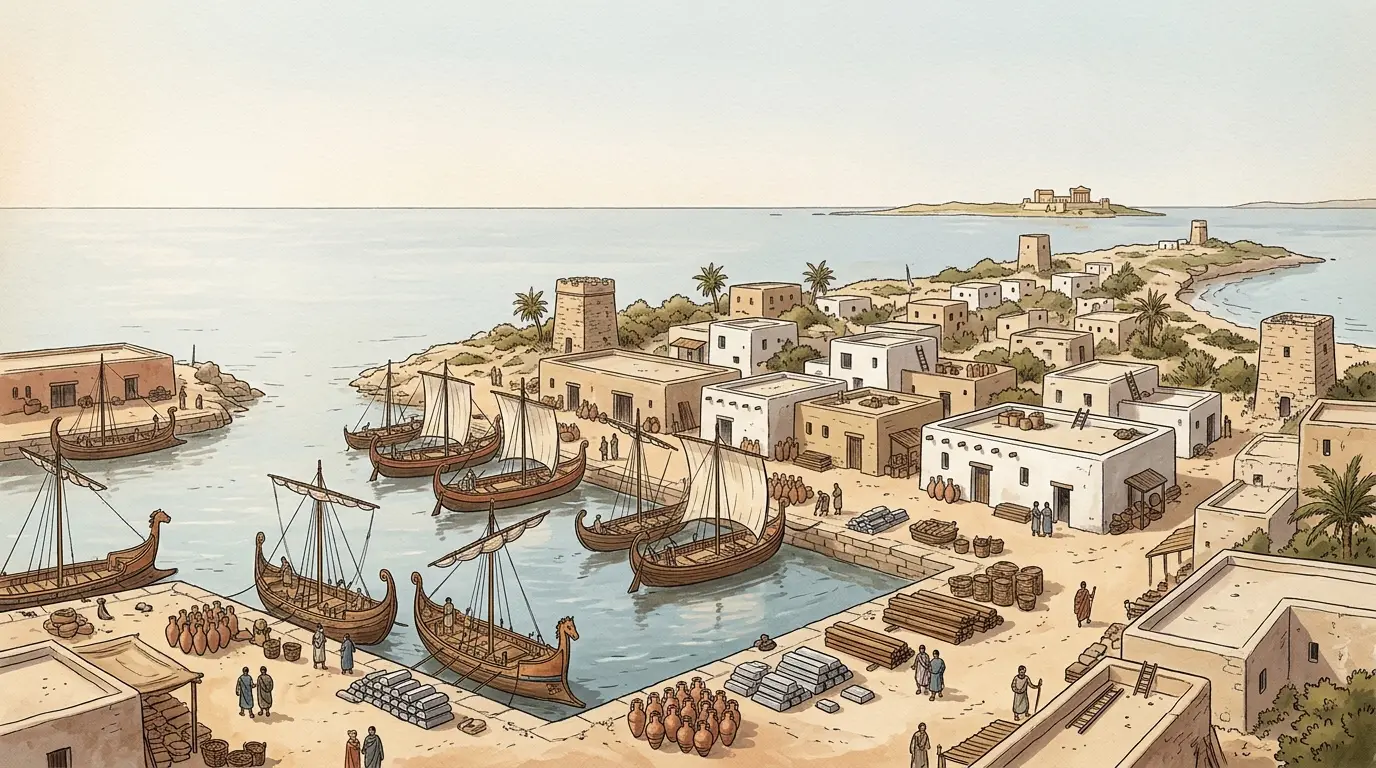
Phoenician traders from Tyre founded Gadir on the islands of the bay, and ancient writers dated it to about 1100 BCE. It became the western end of their trading network, shipping Iberian silver and tin, and the Temple of Melqart at Sancti Petri made it a pilgrimage site.
1100–237 BCE Article
Phoenician Gadir turned the Cádiz archipelago into Tyre's Atlantic port. Explore the Temple of Melqart, the 9th-century BC streets and the Dama de Cádiz.
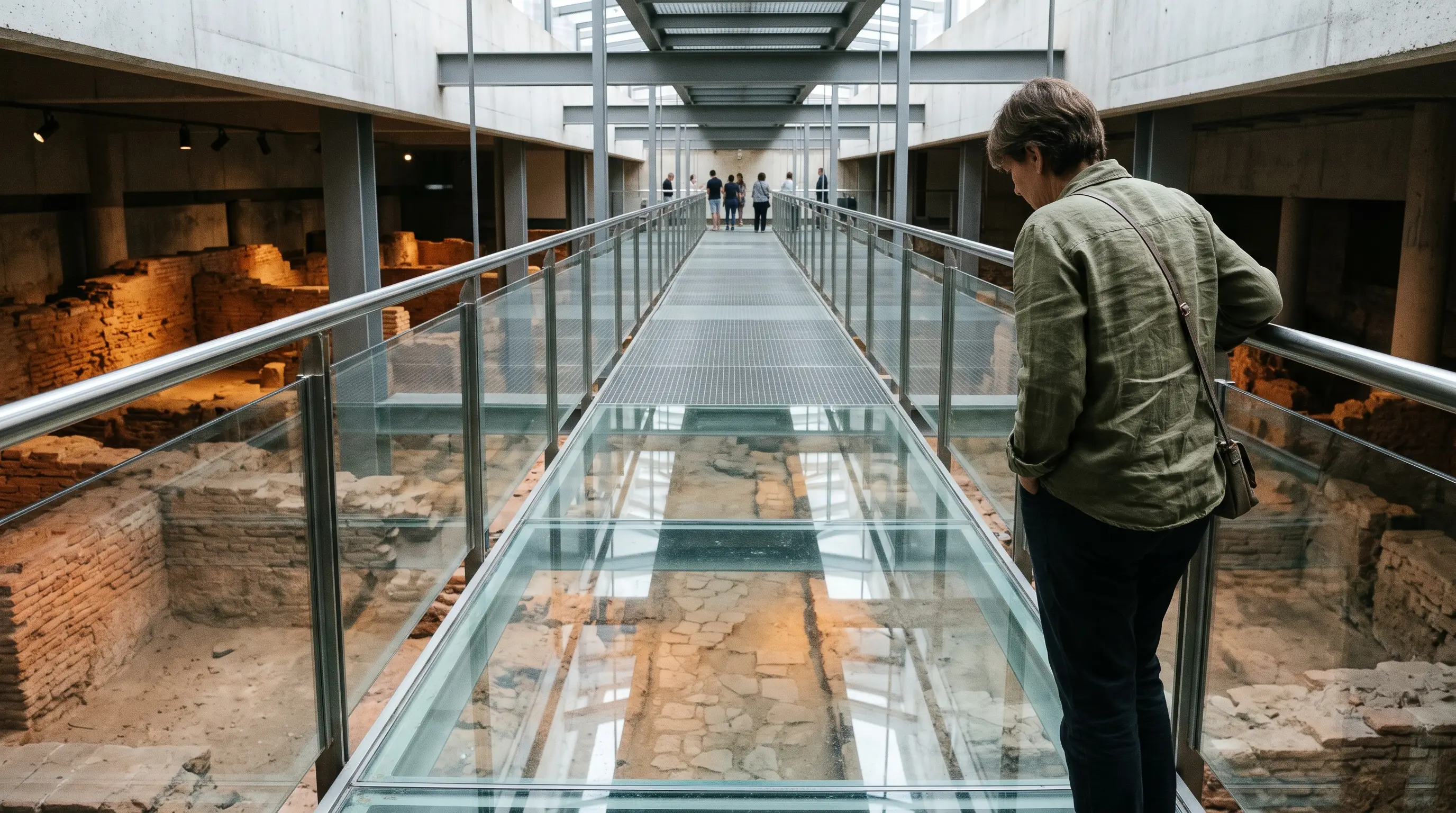
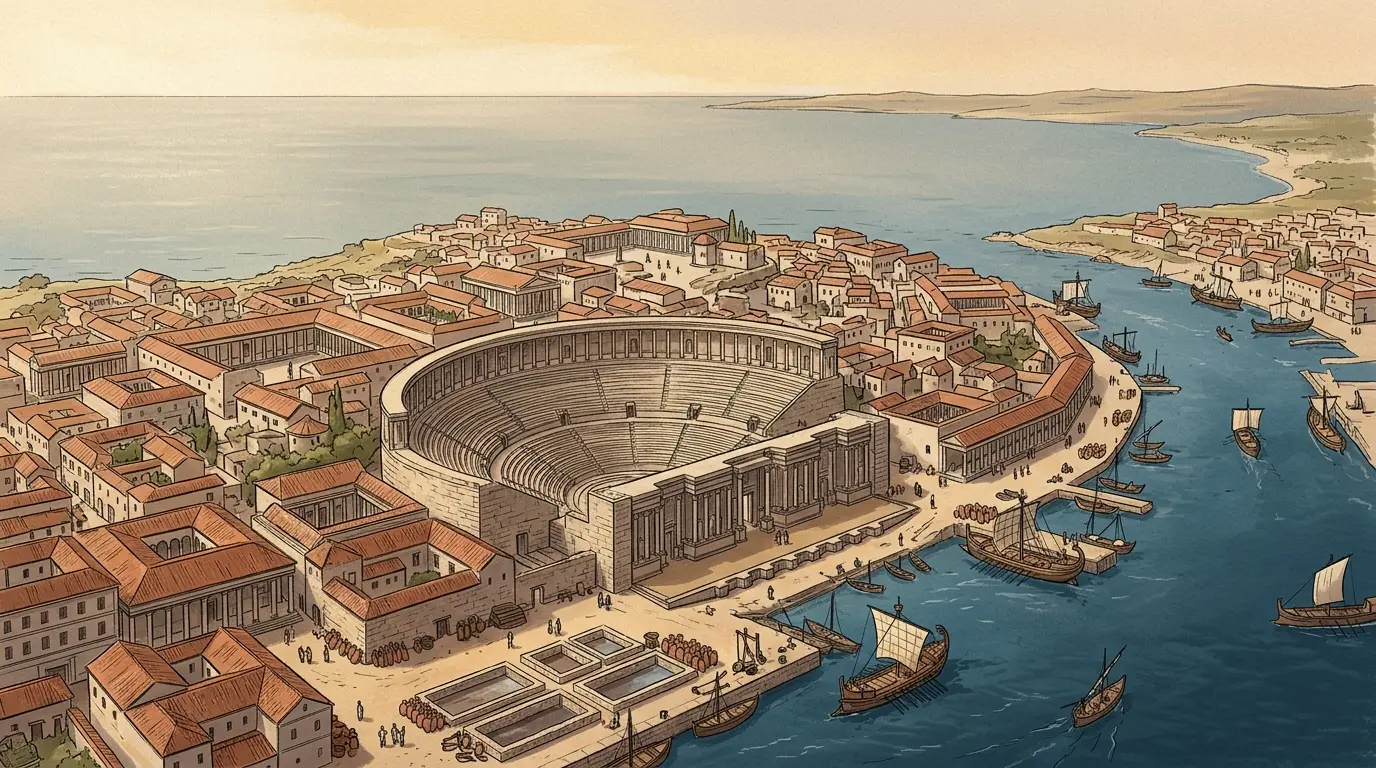
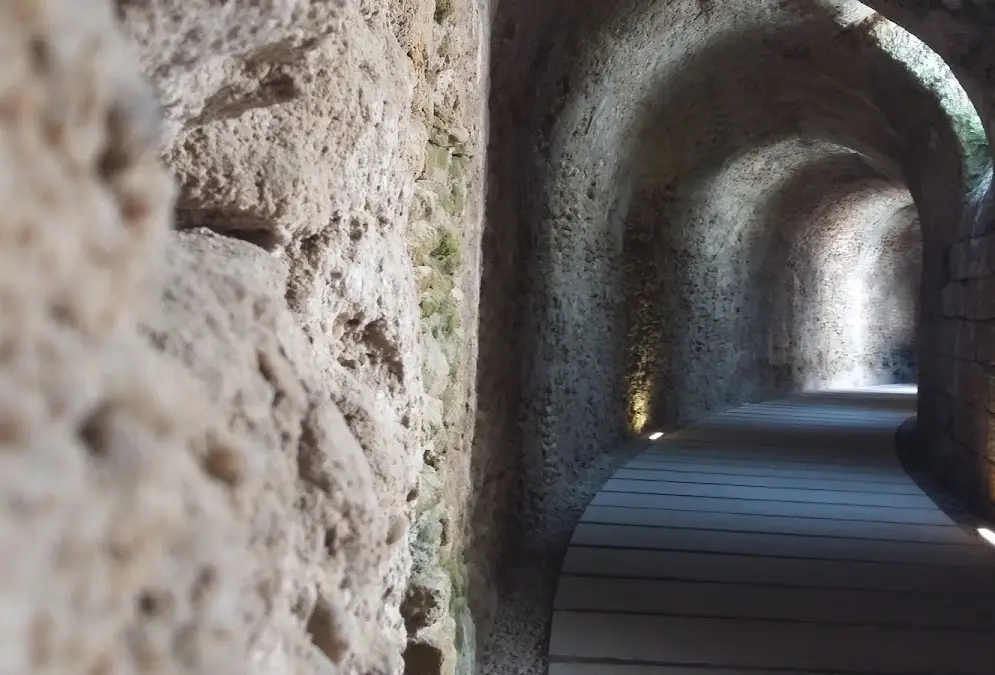
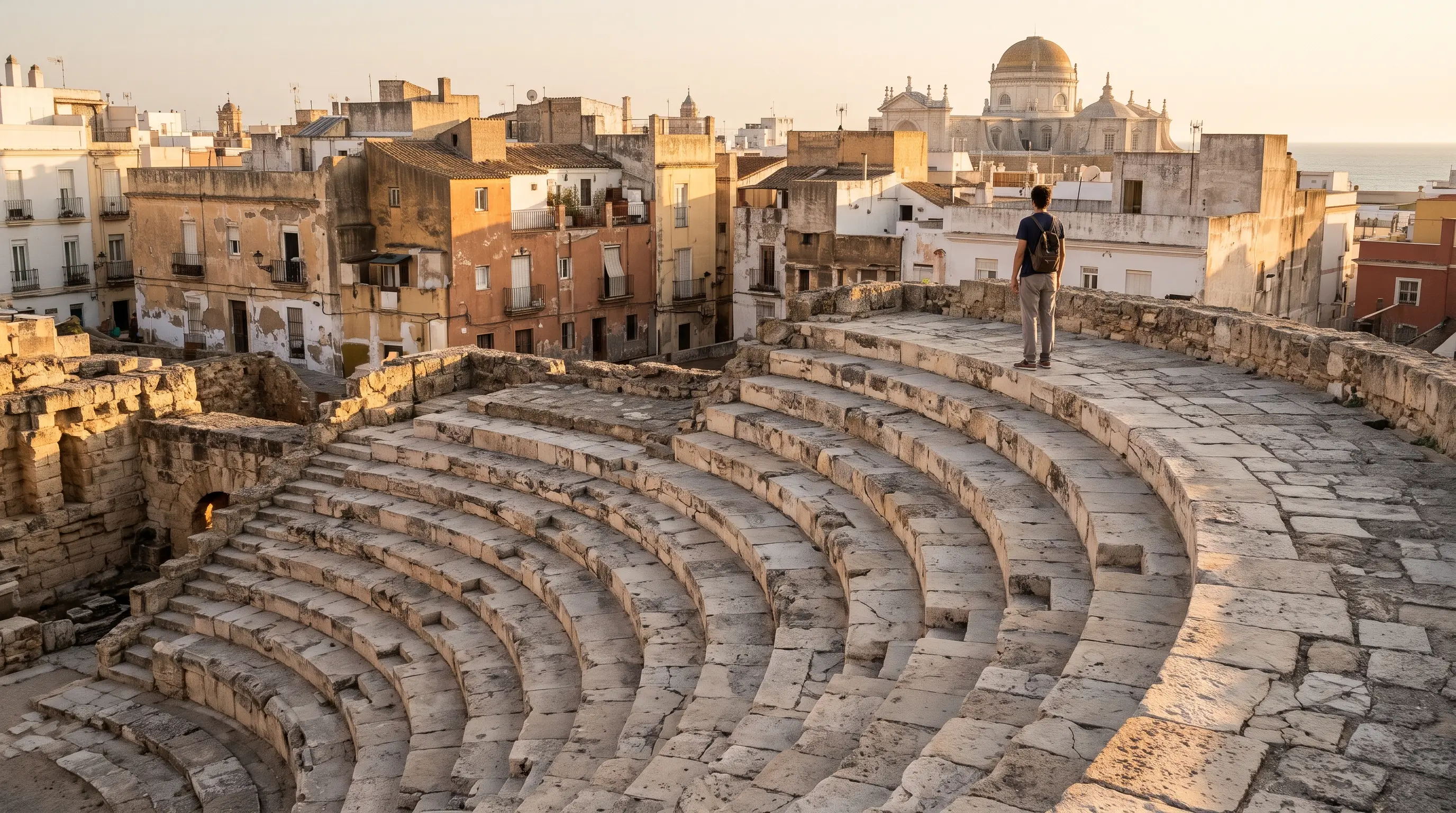
After Carthaginian rule and the Roman takeover, Gades became a municipium under Julius Caesar and Augustus, famed for its fish sauce, merchants and dancers. Its theatre, built in the 1st century BCE, is among the largest known in Hispania.
Article
Roman Gades went from federate city to Roman municipium in 49 BC. Meet the Balbus family, the garum trade and Columella, the farming writer born there.
In this era
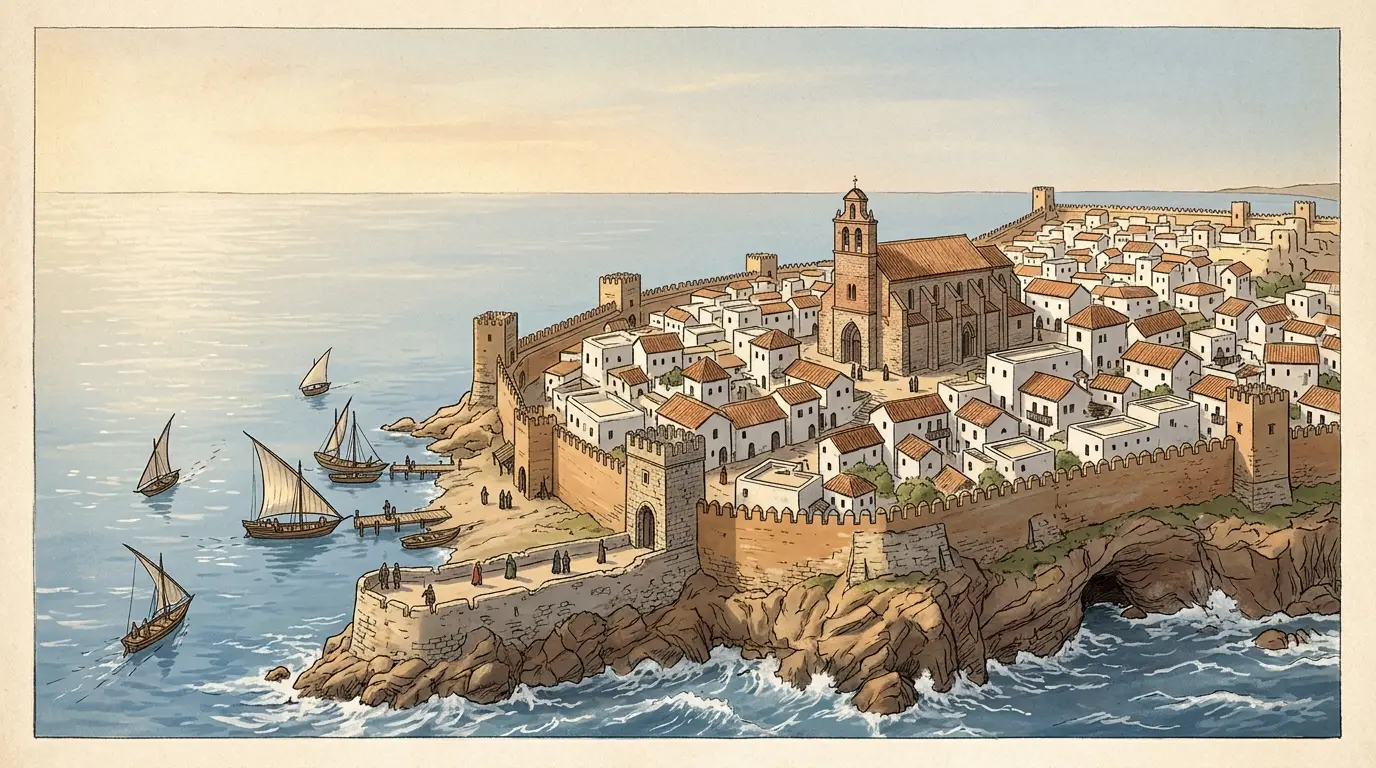
Cádiz shrank after Rome and passed from Visigothic to Islamic rule, when it was known as Qadis. Alfonso X of Castile took the city in 1262 and began its resettlement, leaving the first cathedral foundation and the lines of the medieval town.
In this era
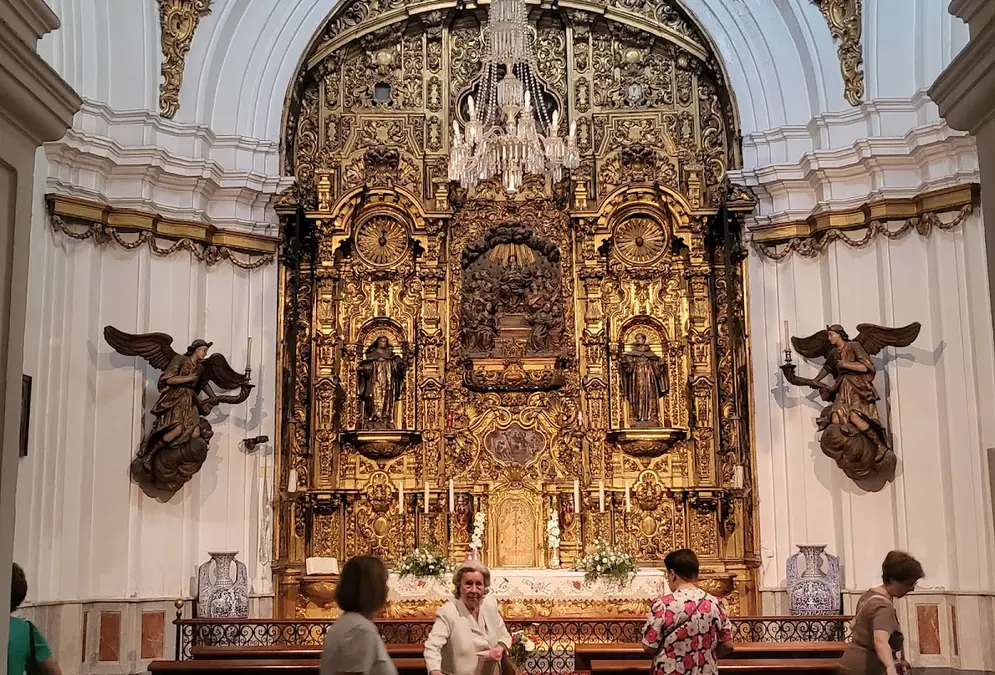
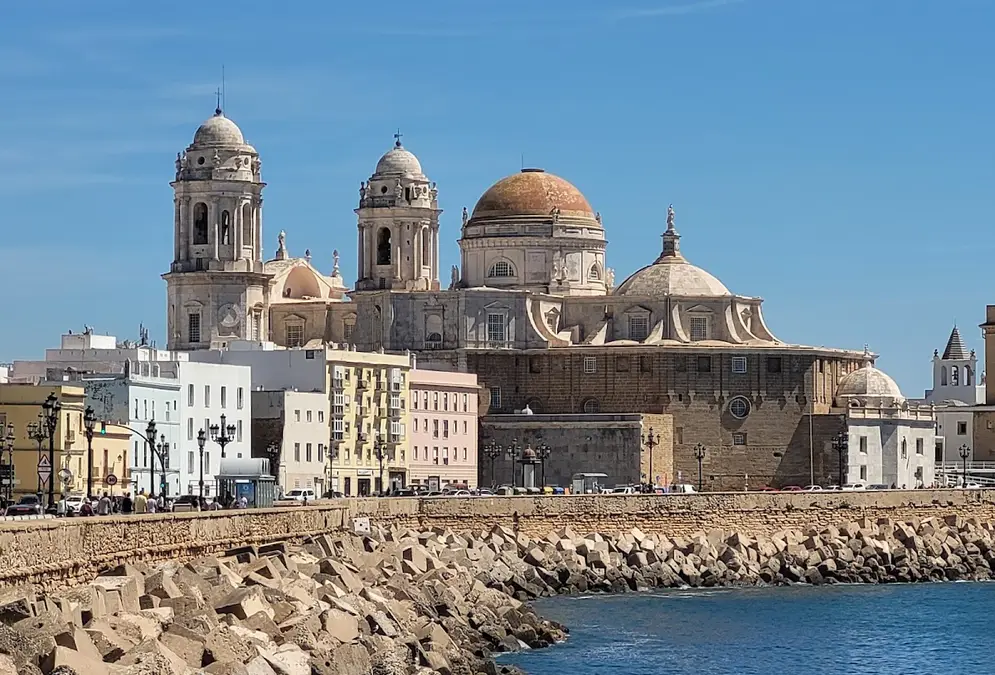
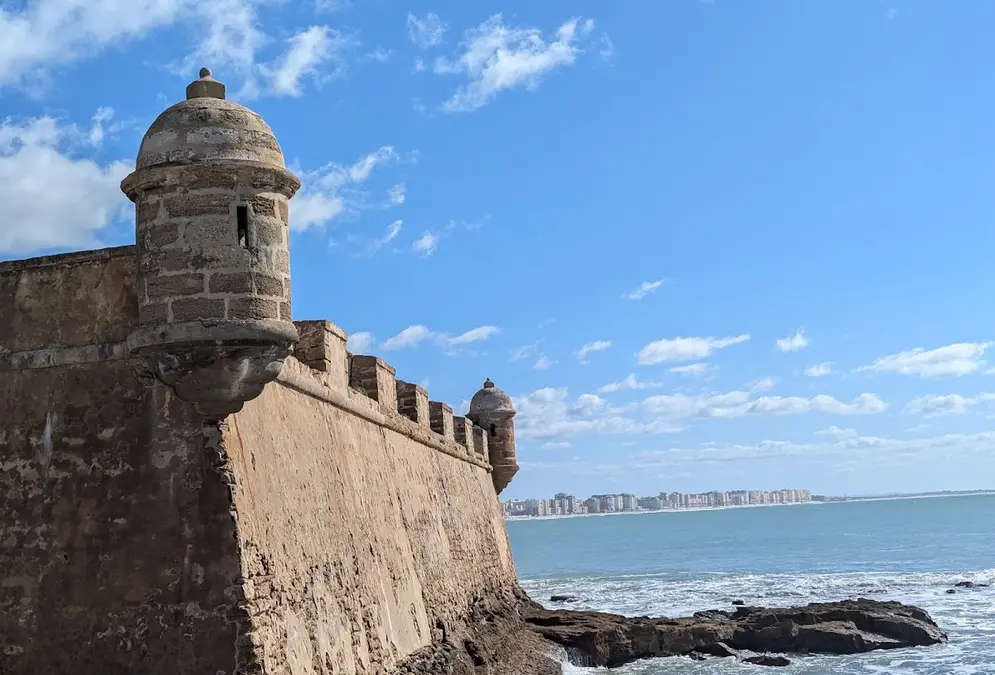
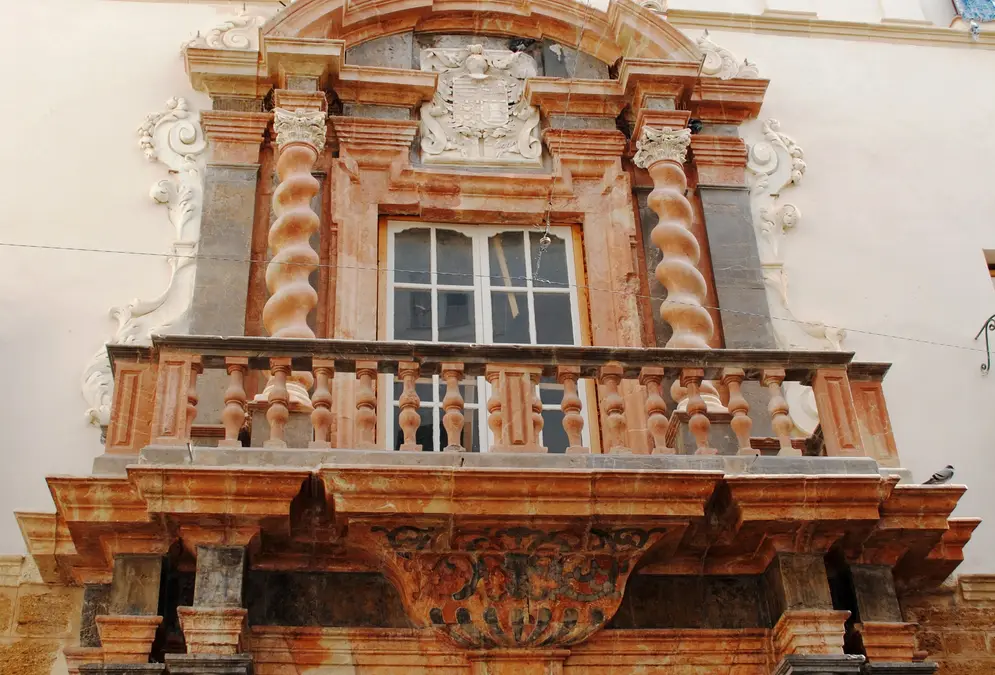
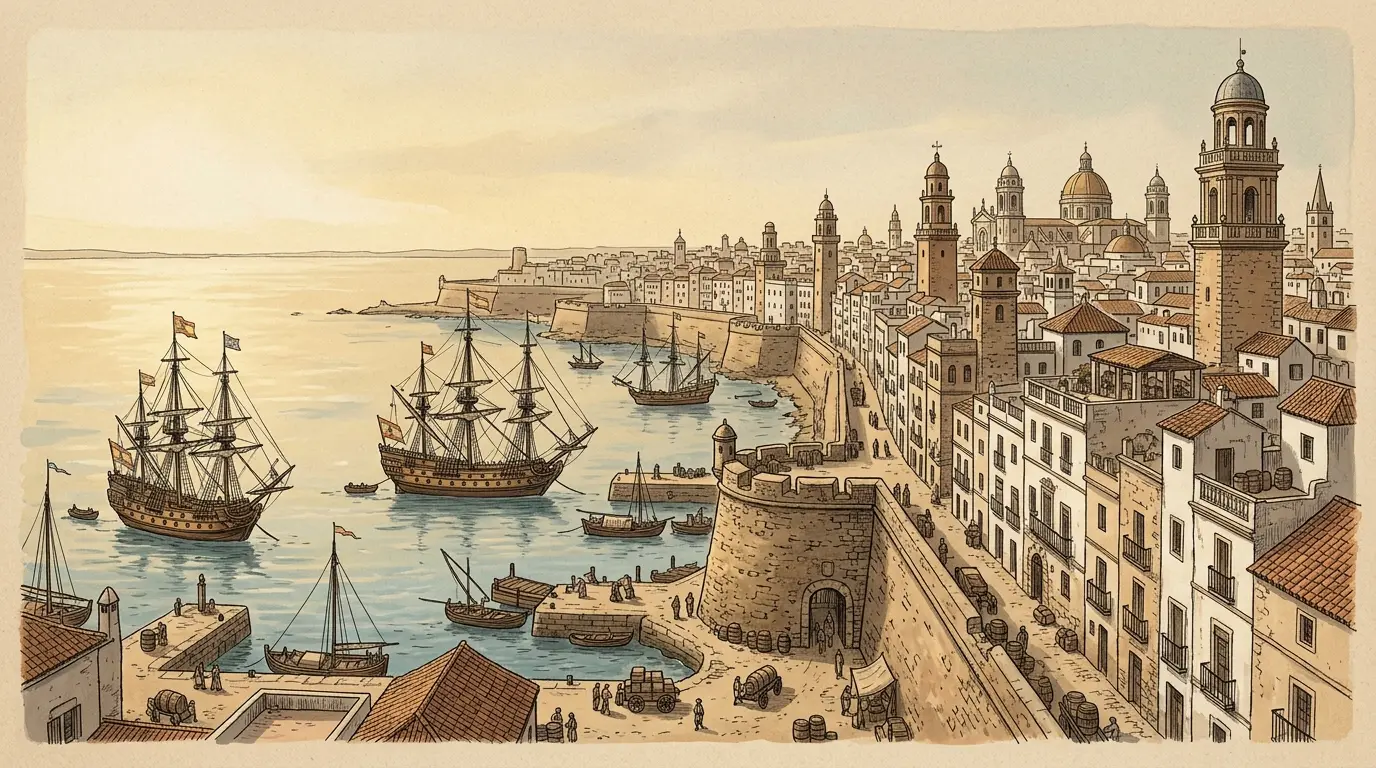
After 1492 Cádiz grew as a port for the Americas, sacked by the English in 1596 and fortified in response. In 1717 the Casa de Contratación moved here from Seville, and merchant families built the watchtower houses, the cathedral and the baroque oratories of the old town.
1717–1790 Article
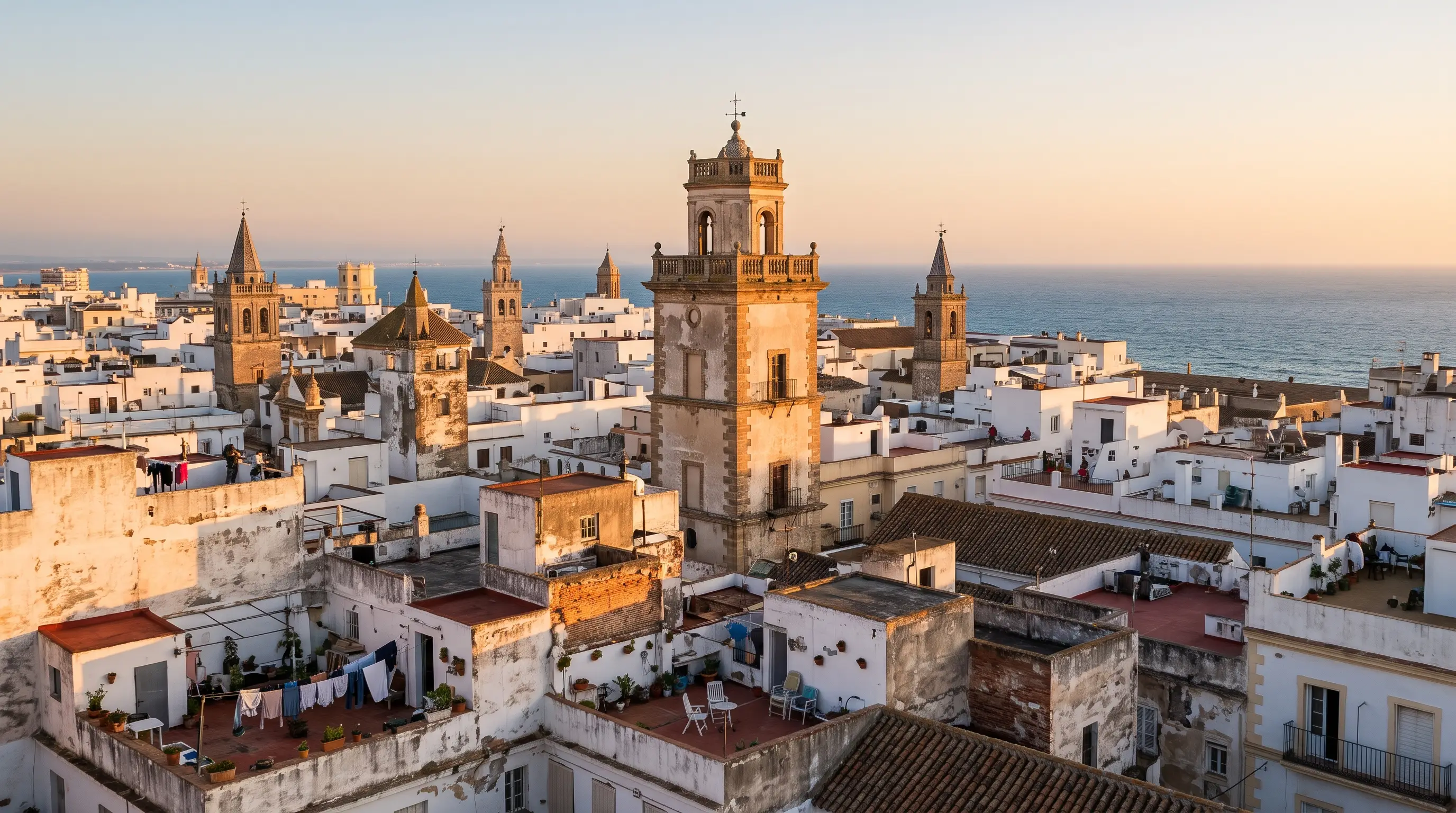
Why do more than 100 Baroque watchtowers crown the rooftops of Cádiz? Explore Torre Tavira, the 1717 Indies trade monopoly, and where to see them today.
1755 Article
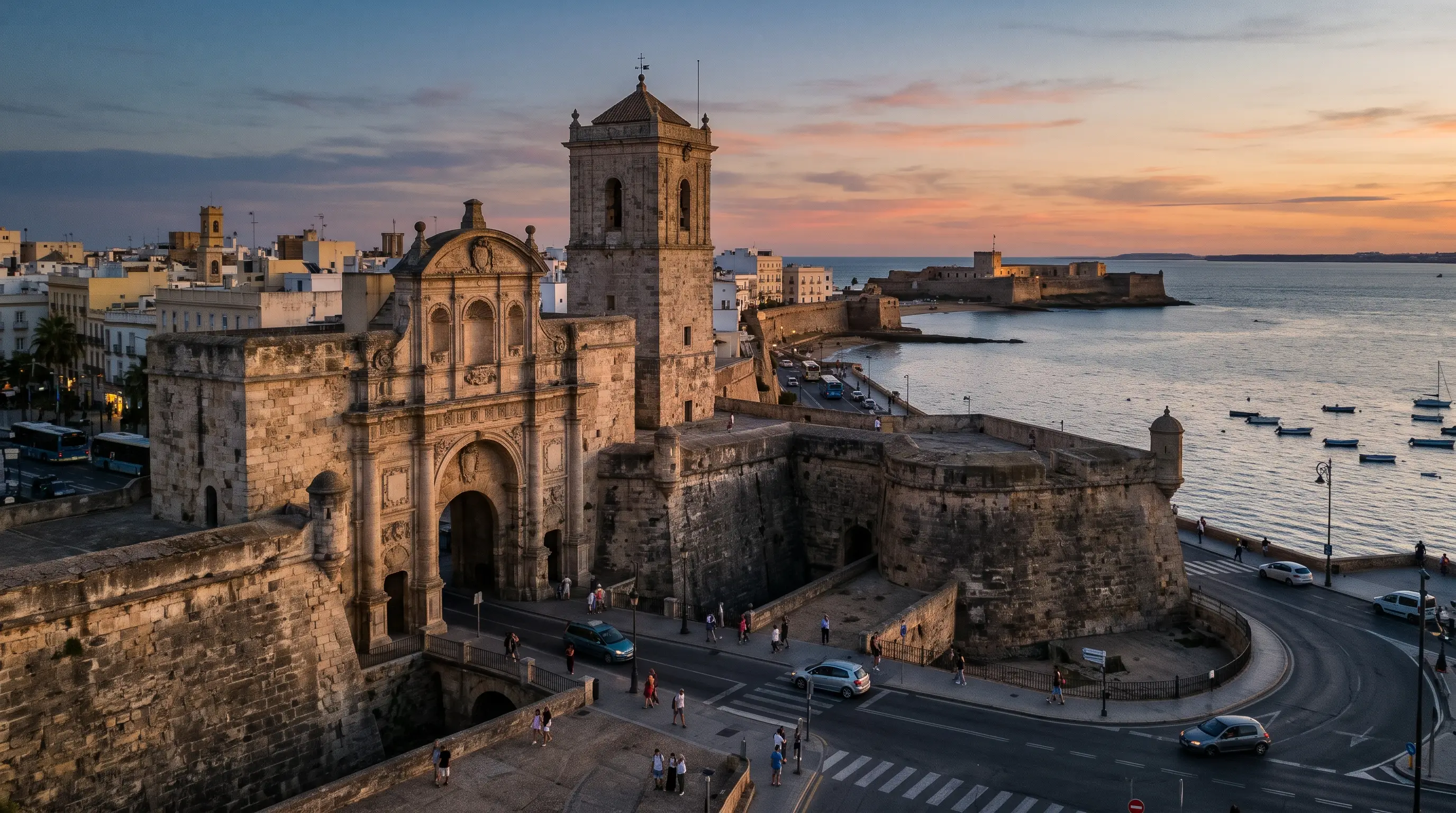
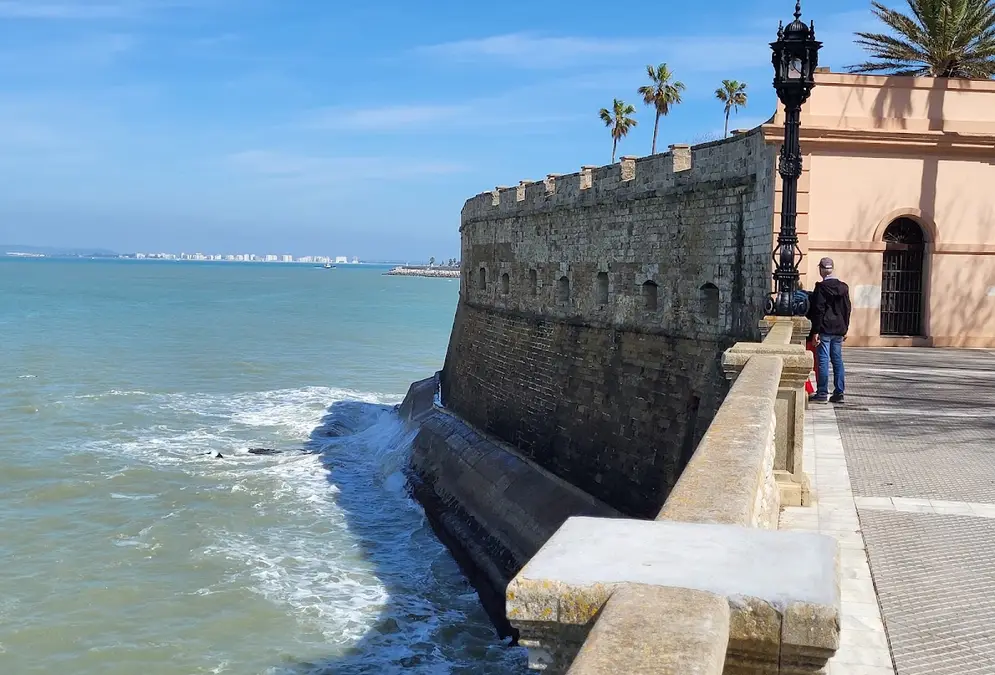
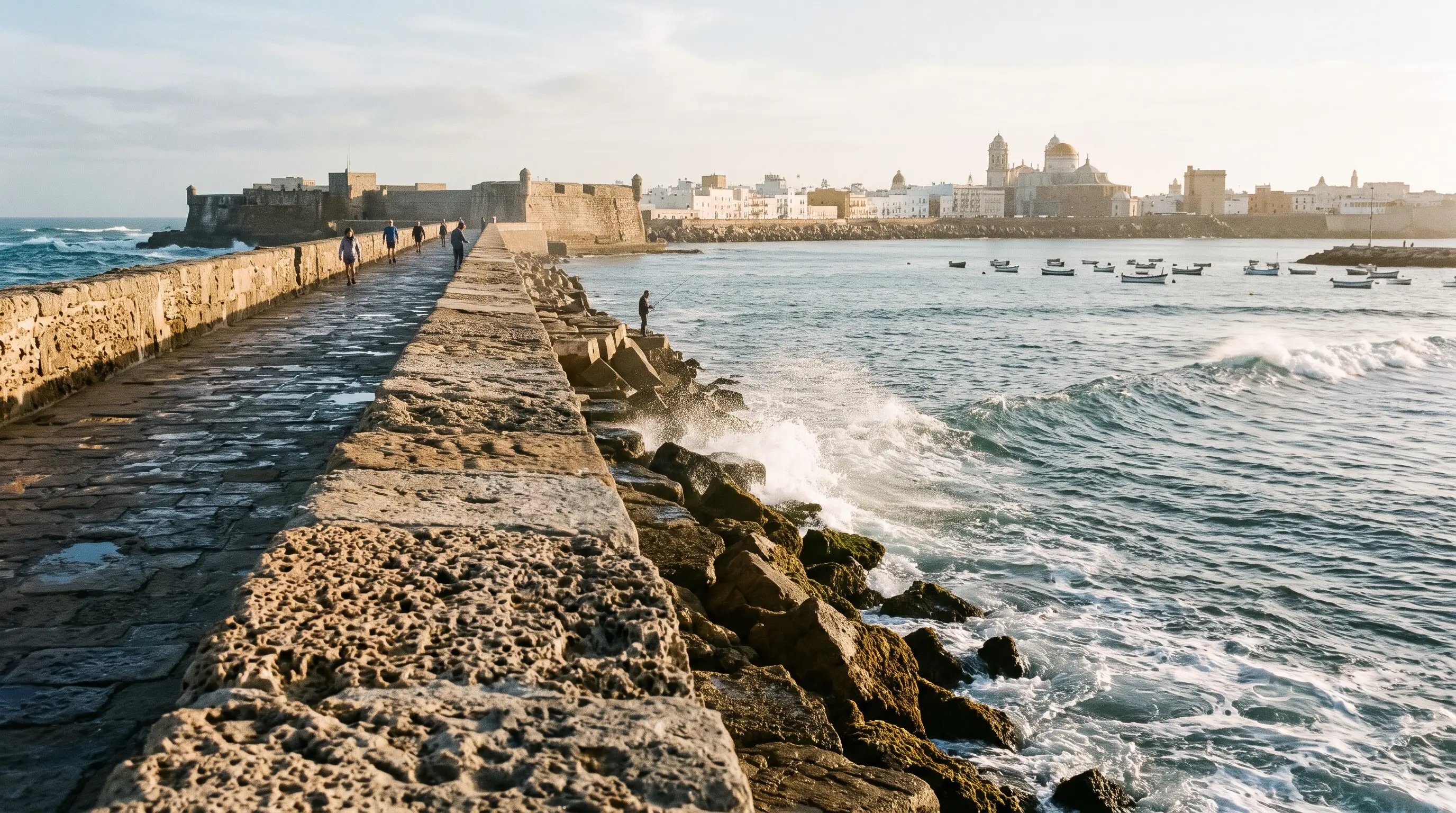
On 1 November 1755, five tsunami waves struck Cádiz at 11:10 am. See how La Caleta's walls broke, Azlor locked Puerta de Tierra, and La Viña survived.
1805 Article
In October 1805, 33 ships left Cádiz for the Battle of Trafalgar. Trace Admiral Gravina's warning, the 23 October counter-sortie, and the city's hospitals.
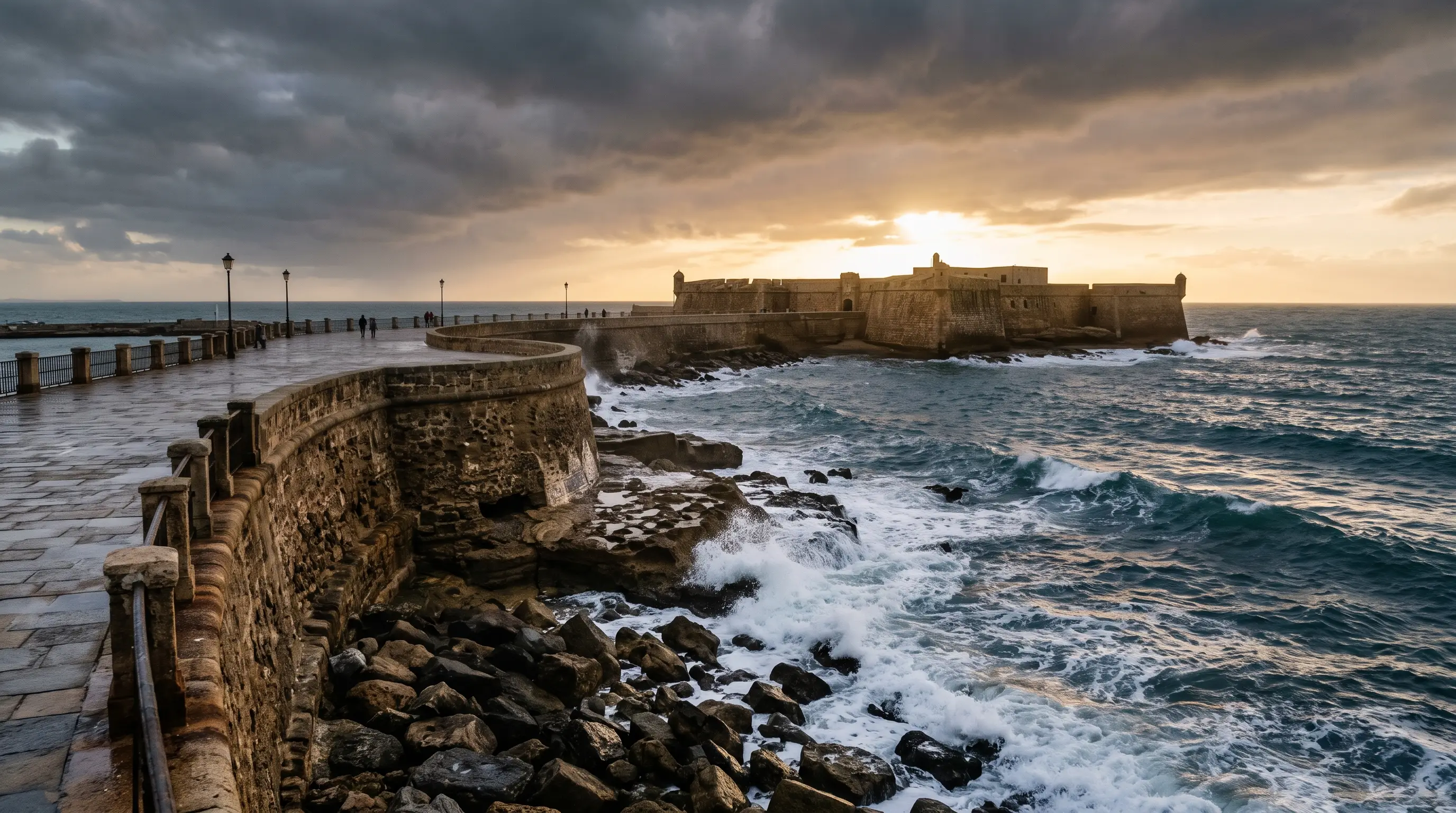
1493–1504 Article
Christopher Columbus sailed from Cádiz on his 17-ship Second Voyage in 1493 and his Fourth Voyage in 1502. Trace his fleets and medieval El Pópulo today.
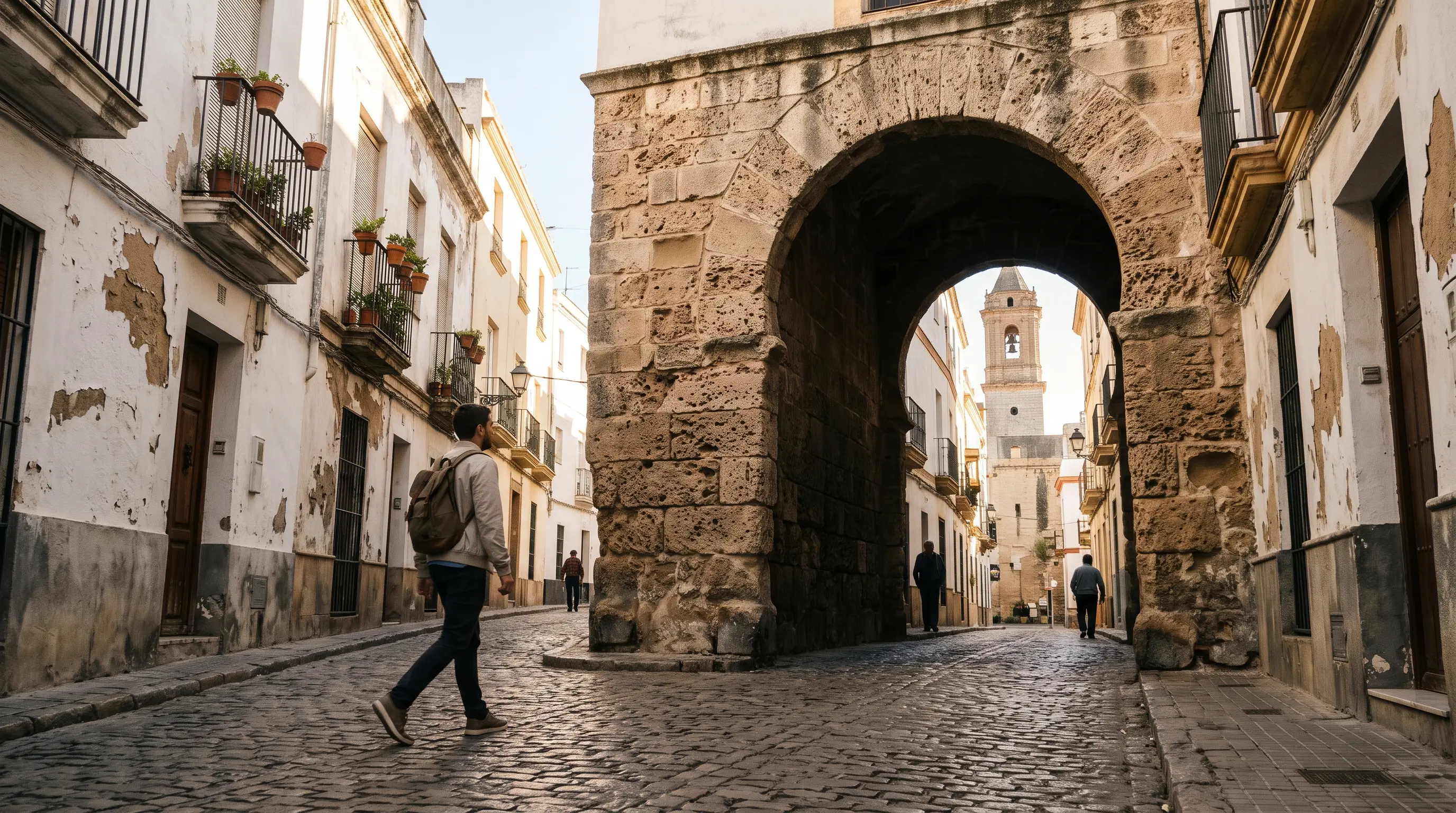
1587–1625 Article
Francis Drake raided Cádiz Harbour in April 1587 to delay the Armada, and in June 1596 an English fleet under Essex returned to capture and burn the city.
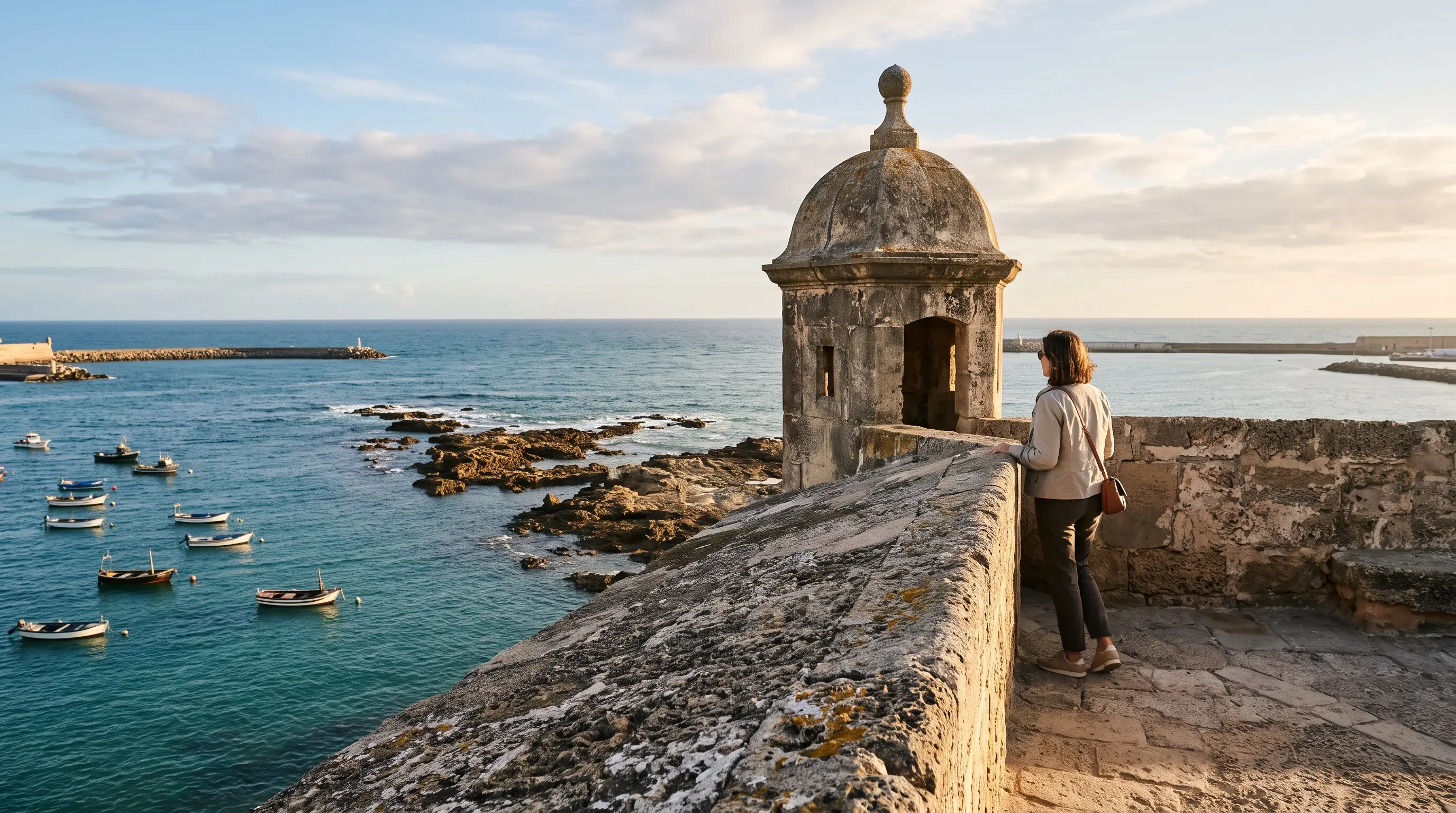
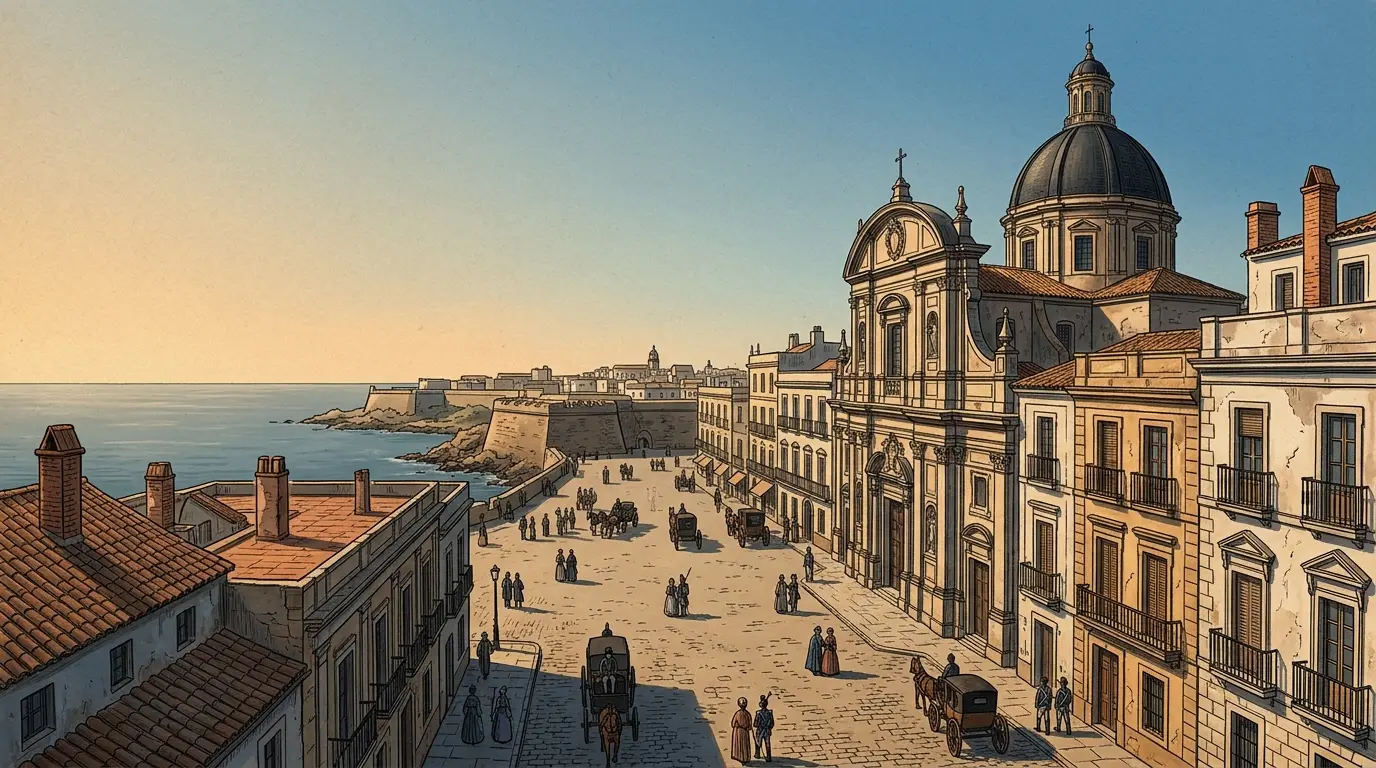
In this era
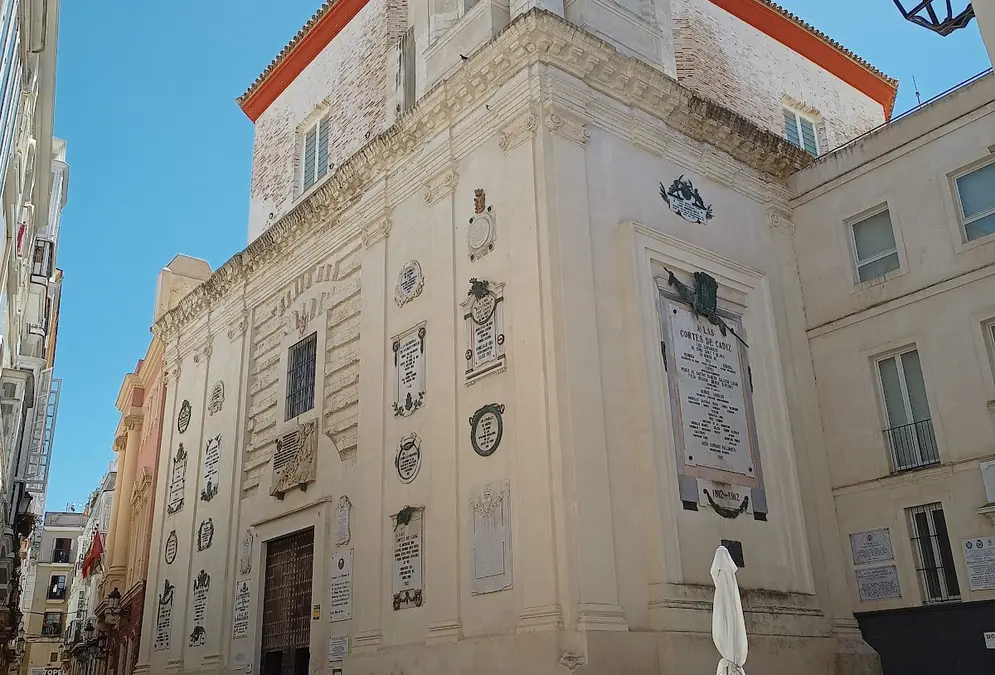
While most of Spain fell to French forces, Cádiz held out under siege from 1810. The Cortes met in the city and proclaimed the Constitution of 19 March 1812, known as La Pepa, a landmark of European liberalism.
1810–1812 Article
During the Siege of Cádiz from 1810 to 1812, islands, batteries and 17,000 Allied troops defied Napoleon while the Cortes wrote Spain's first Constitution.
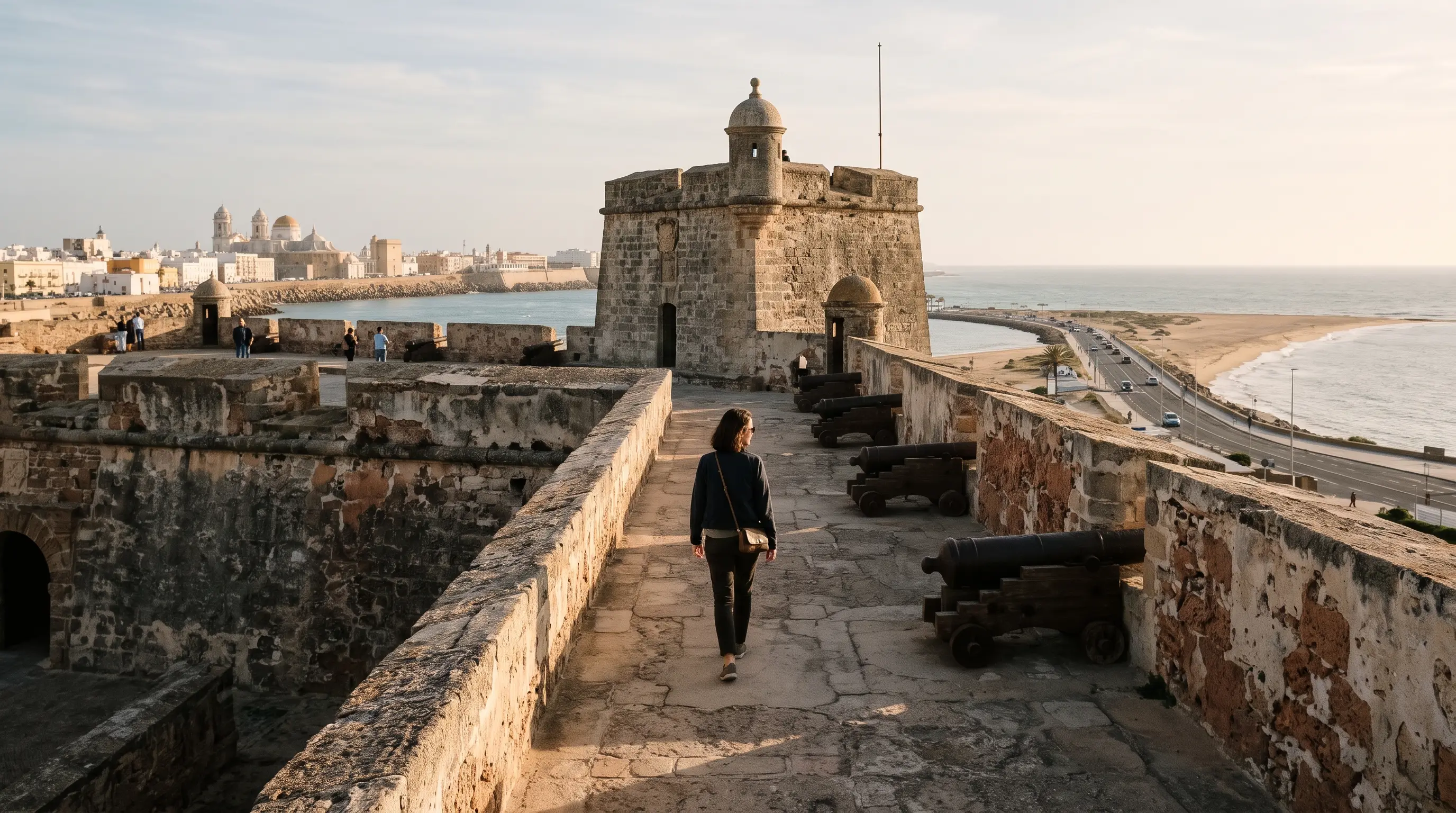
1810–1873 Article
Liberal Cádiz history in five steps: the 1812 Cortes, Mendizábal's 1836 convent sale, the 1868 revolution and Salvochea's 1873 canton, and where to see it.
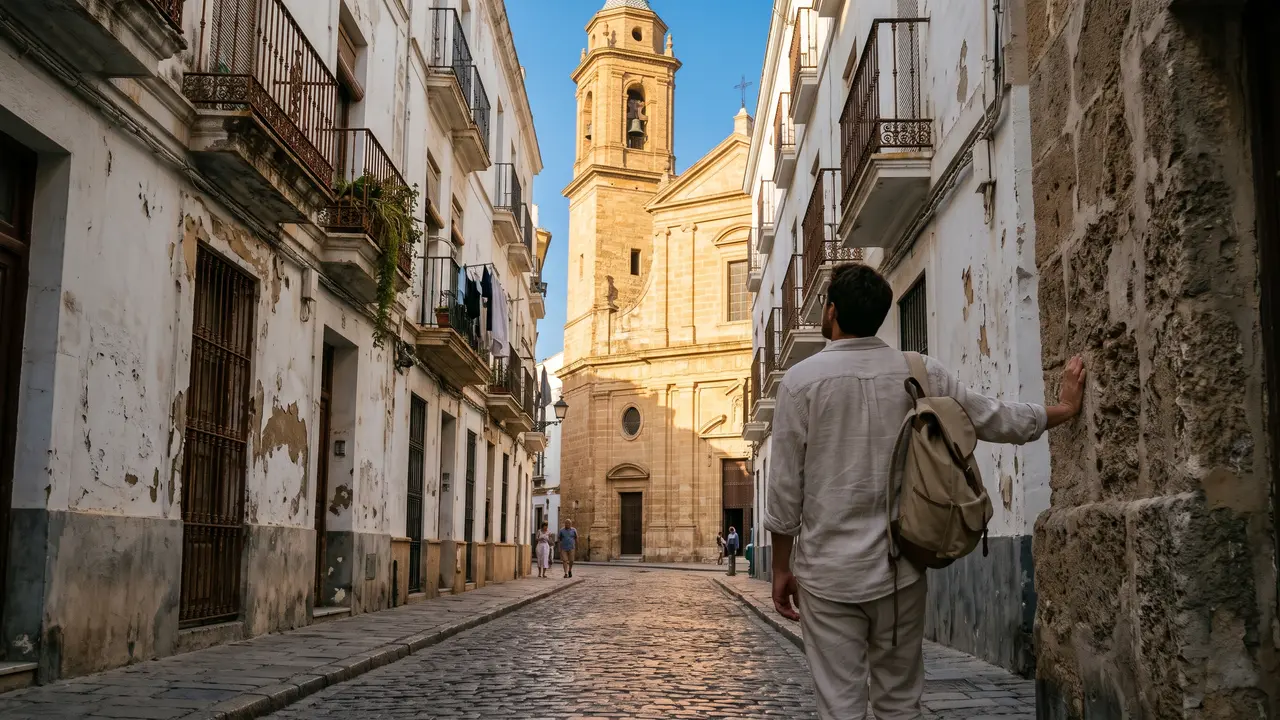
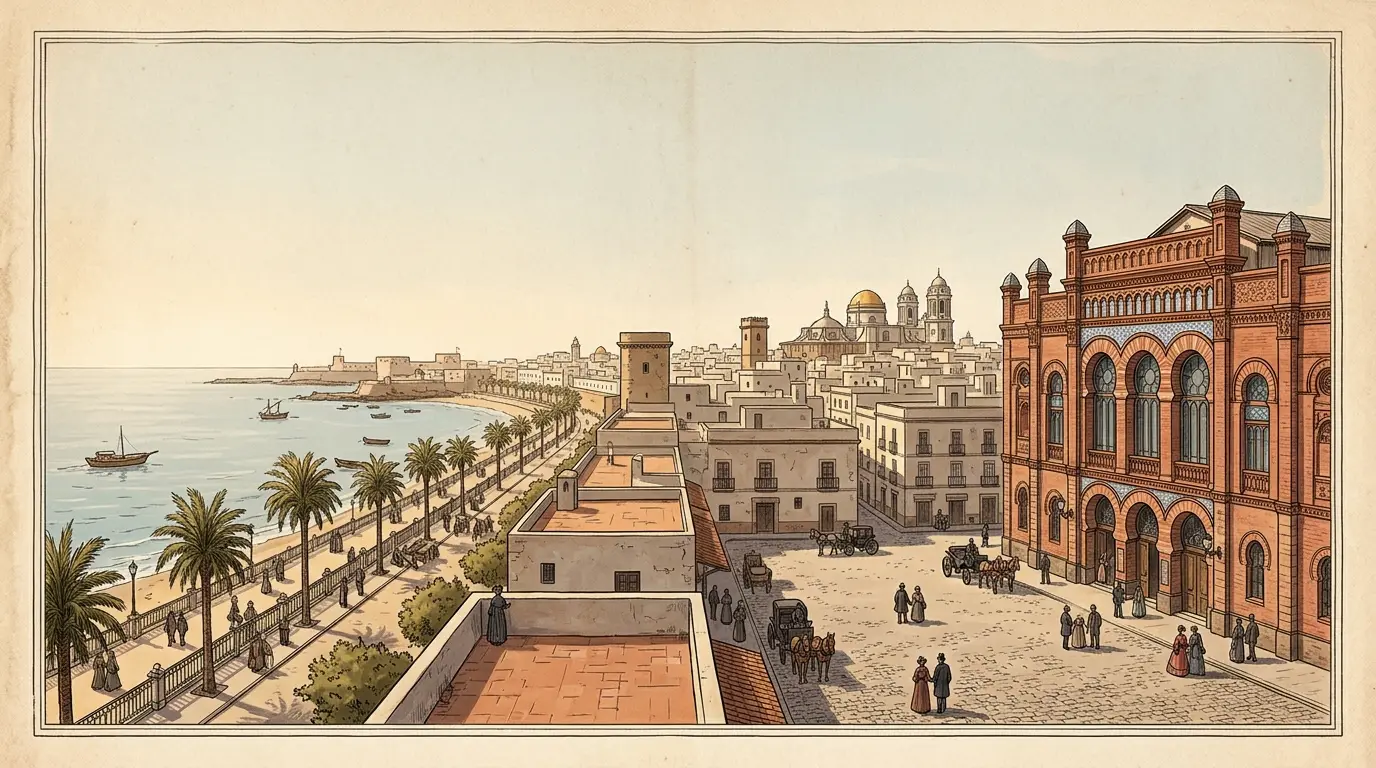
In this era
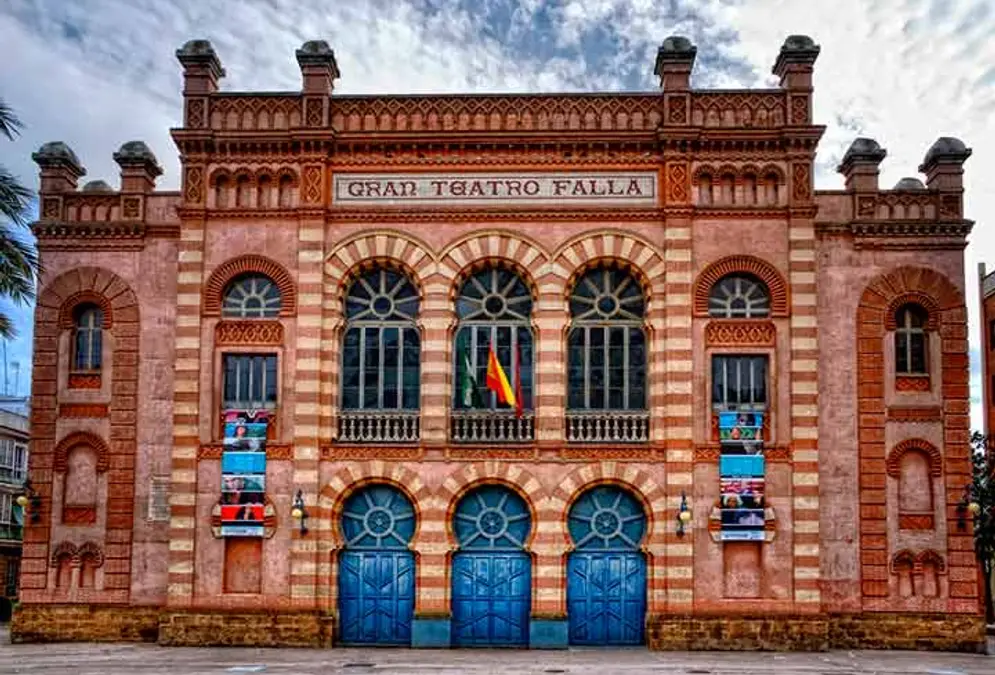
Late 19th-century Cádiz added the Gran Teatro Falla and the Carnival tradition, and the 20th century brought shipbuilding, industry and the city's tourism economy. The Carnival of Cádiz remains the best known living tradition of the modern city.
1591–1977 Article
Explore the history of Cádiz Carnival, from 15th-century Genoese merchants and the 1937 ban to Paco Alba's comparsas and COAC versus street chirigotas.
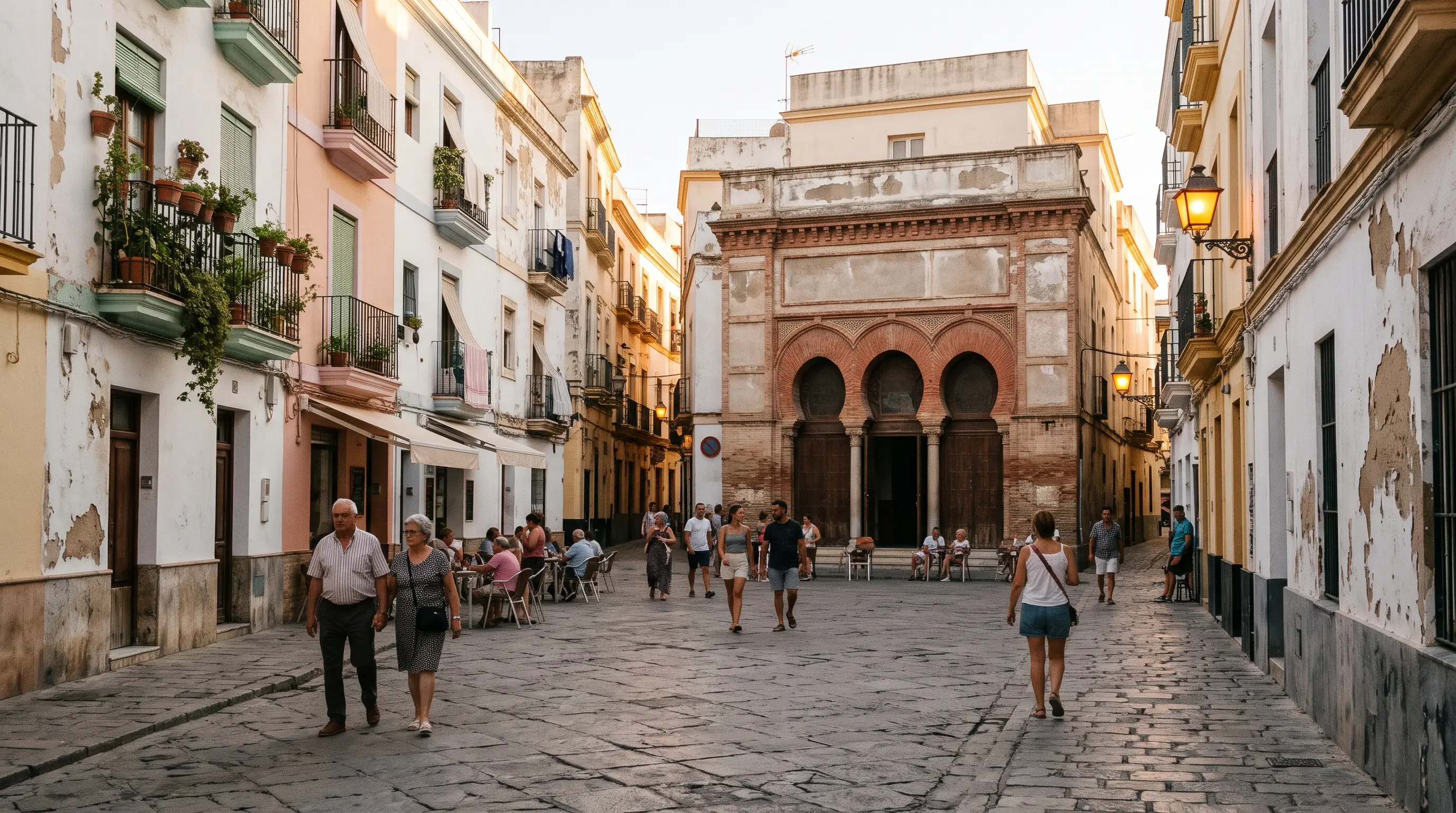
1978–2010 Article
See where James Bond's Die Another Day, Sean Connery's Cuba, Viggo Mortensen's Alatriste, and Tom Cruise's Knight and Day were filmed across Cádiz, Spain.
1947 Article
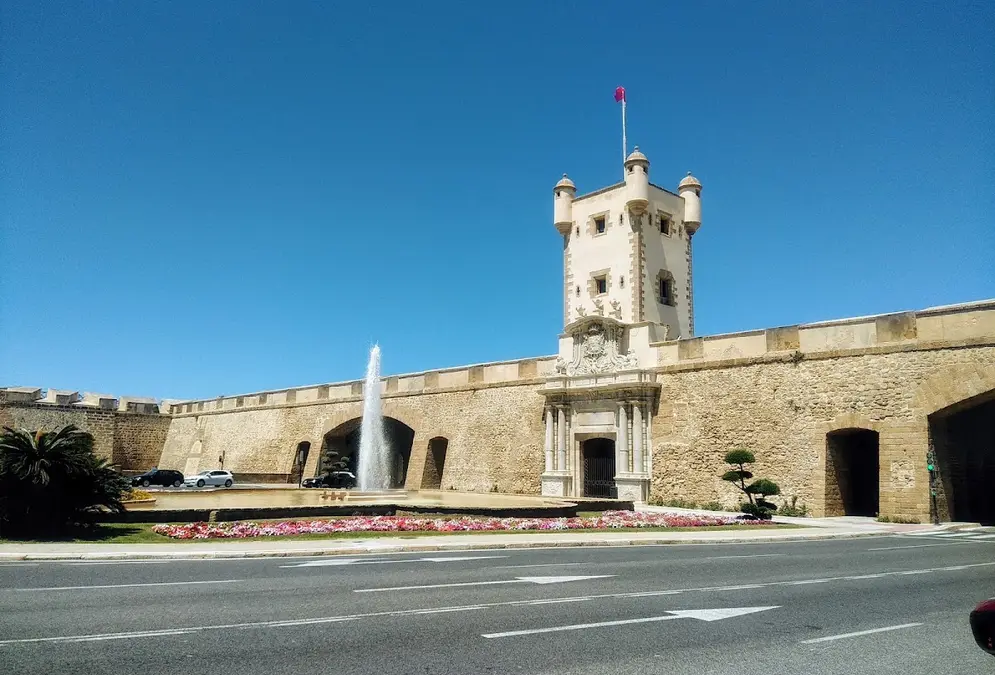
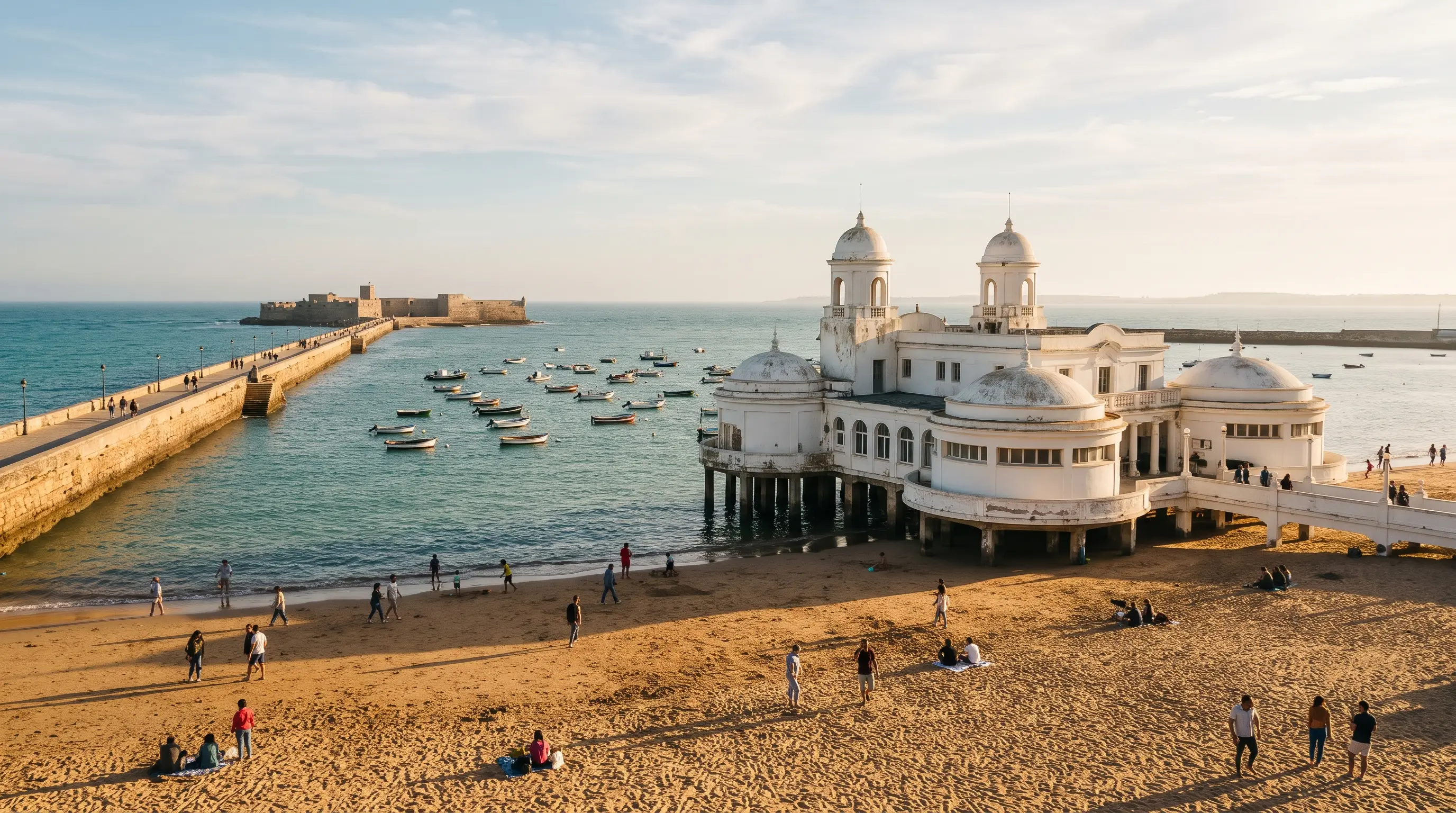
At 9:45 pm on 18 August 1947, 200 tonnes of naval mines detonated in San Severiano, killing 152 people while Puerta de Tierra shielded Cádiz's Old Town.