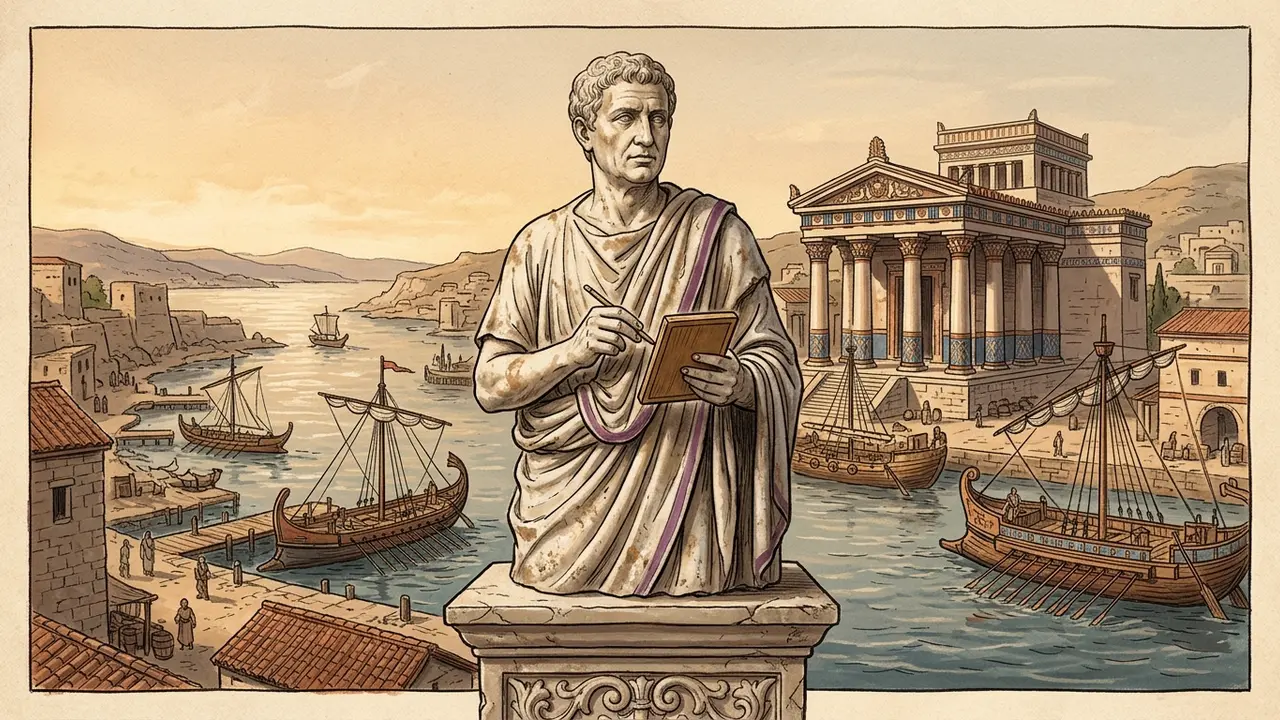
Lucio Cornelio Balbo
c. 100–32 BCE
Roman Gades · 237 BCE–5th century CE Patron Military
Gades-born financier and aide to Caesar, first naturalized Roman consul in 40 BCE.
Read the profile
Merchants, deputies, artists and writers, grouped by the era they lived in.
Cádiz has been a port for about three thousand years, and the people who passed through it shaped the city as much as its walls did. Phoenician traders, Roman financiers, merchants of the Atlantic fleets, and the deputies who wrote a constitution here in 1812 all left a trace you can still find on the streets of the old town.
The page runs in order of era. Each figure has one card that leads to a short page on that person, with the places in Cádiz where their trace remains.
Gades, a wealthy Roman port with a theatre among the largest in Hispania.
After Carthaginian rule and the Roman takeover, Gades became a municipium under Julius Caesar and Augustus, famed for its fish sauce, merchants and dancers. Its theatre, built in the 1st century BCE, is among the largest known in Hispania.
c. 100–32 BCE
Gades-born financier and aide to Caesar, first naturalized Roman consul in 40 BCE.
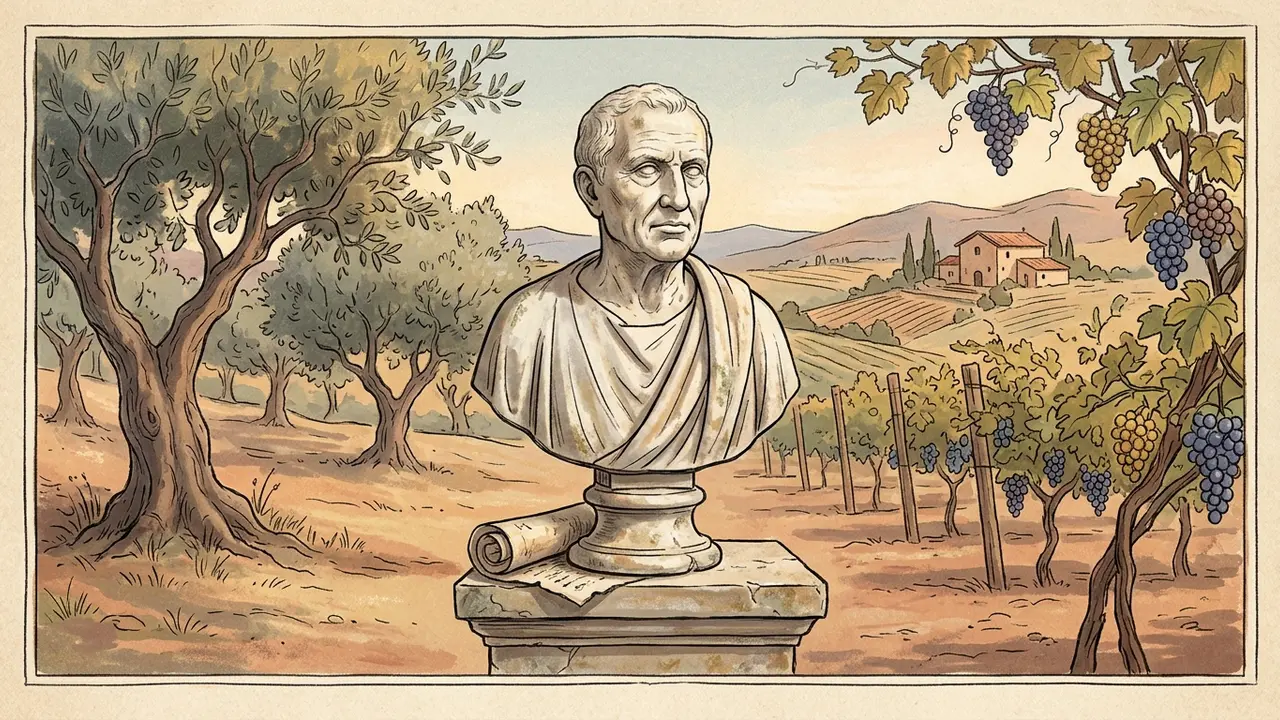
c. 4–70
Gades-born Roman author of De re rustica, the twelve-book treatise on farming.
The Americas fleet moves to Cádiz in 1717 and merchants build the tower houses.
After 1492 Cádiz grew as a port for the Americas, sacked by the English in 1596 and fortified in response. In 1717 the Casa de Contratación moved here from Seville, and merchant families built the watchtower houses, the cathedral and the baroque oratories of the old town.
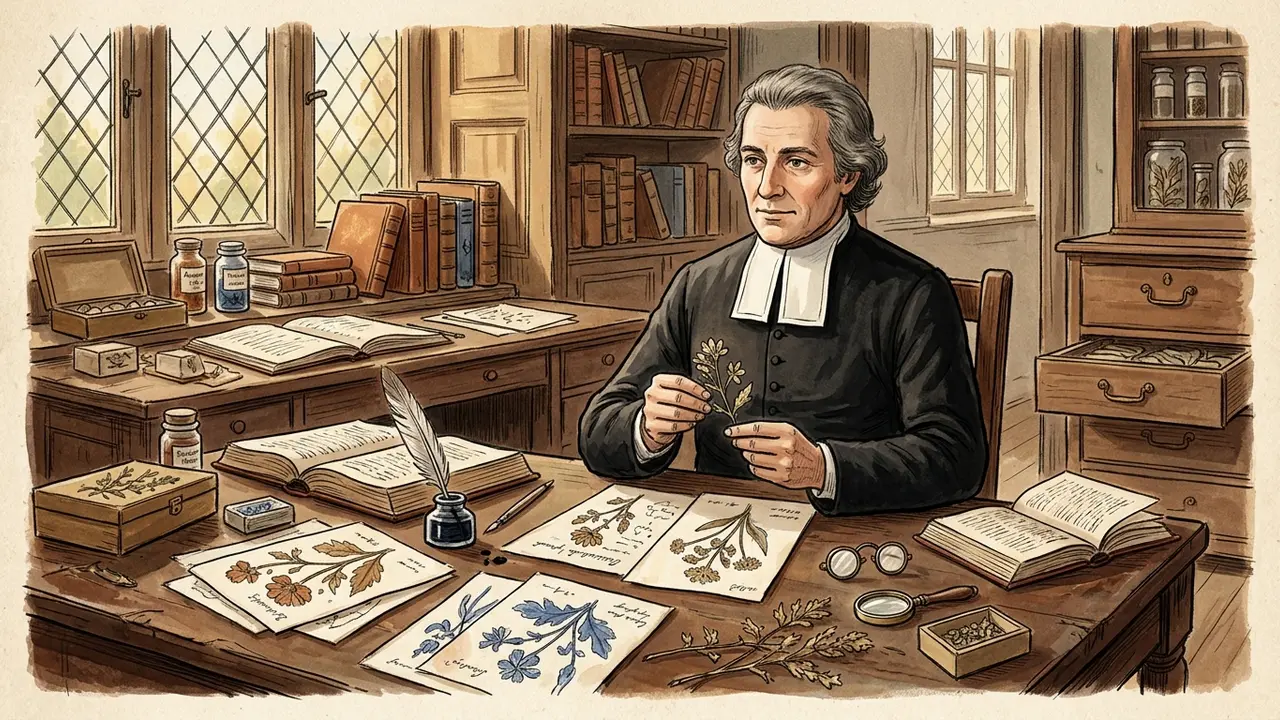
1732–1808
Cádiz-born physician and priest who directed the Royal Botanical Expedition of New Granada.
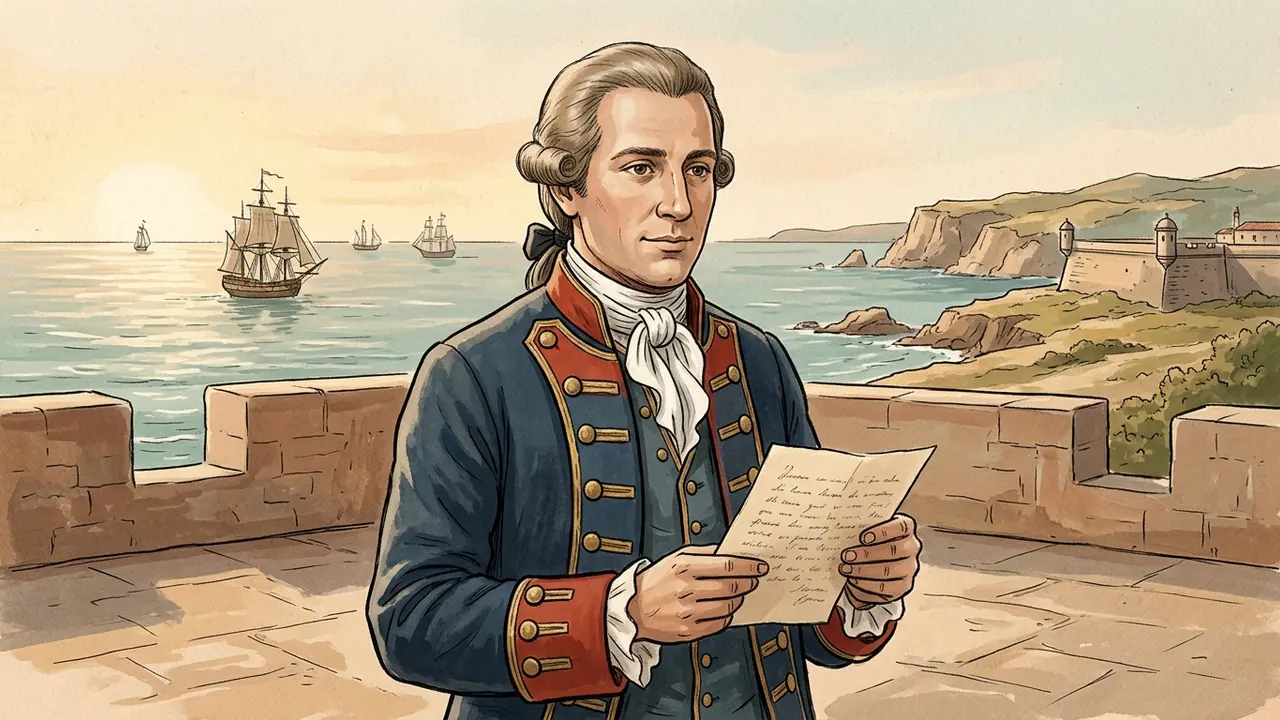
1741–1782
Cádiz-born soldier and writer of Cartas marruecas and Noches lúgubres.
Besieged by Napoleon, Cádiz proclaims the liberal Constitution of 1812.
While most of Spain fell to French forces, Cádiz held out under siege from 1810. The Cortes met in the city and proclaimed the Constitution of 19 March 1812, known as La Pepa, a landmark of European liberalism.
From the Gran Teatro Falla and the Carnival to a modern shipyard and tourism city.
Late 19th-century Cádiz added the Gran Teatro Falla and the Carnival tradition, and the 20th century brought shipbuilding, industry and the city's tourism economy. The Carnival of Cádiz remains the best known living tradition of the modern city.
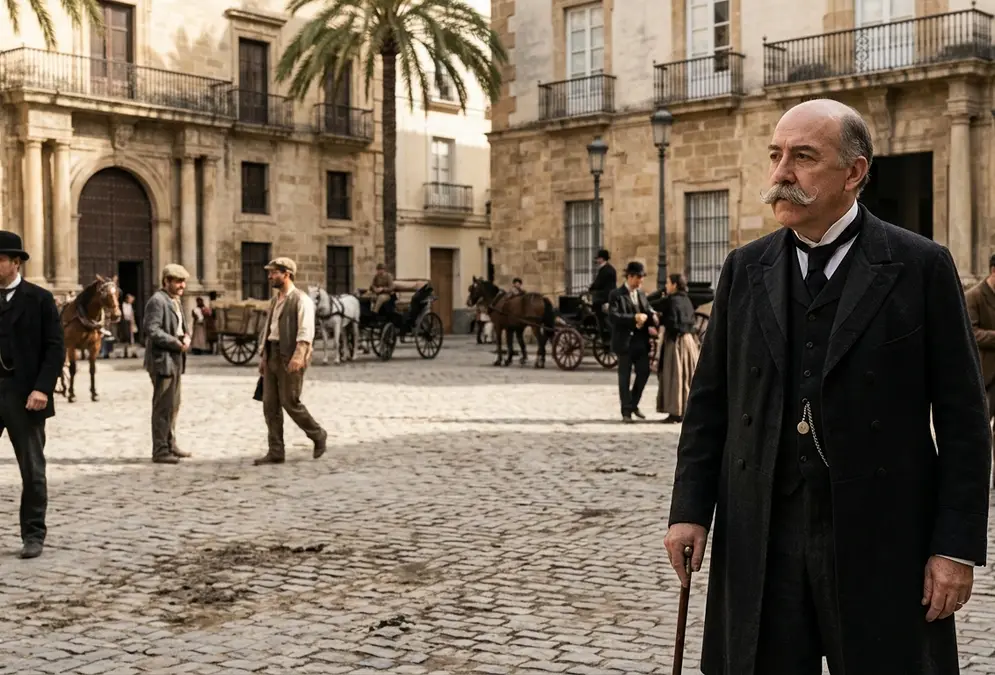
1832–1899
Cádiz-born orator, historian and last president of the First Spanish Republic (1873-1874).
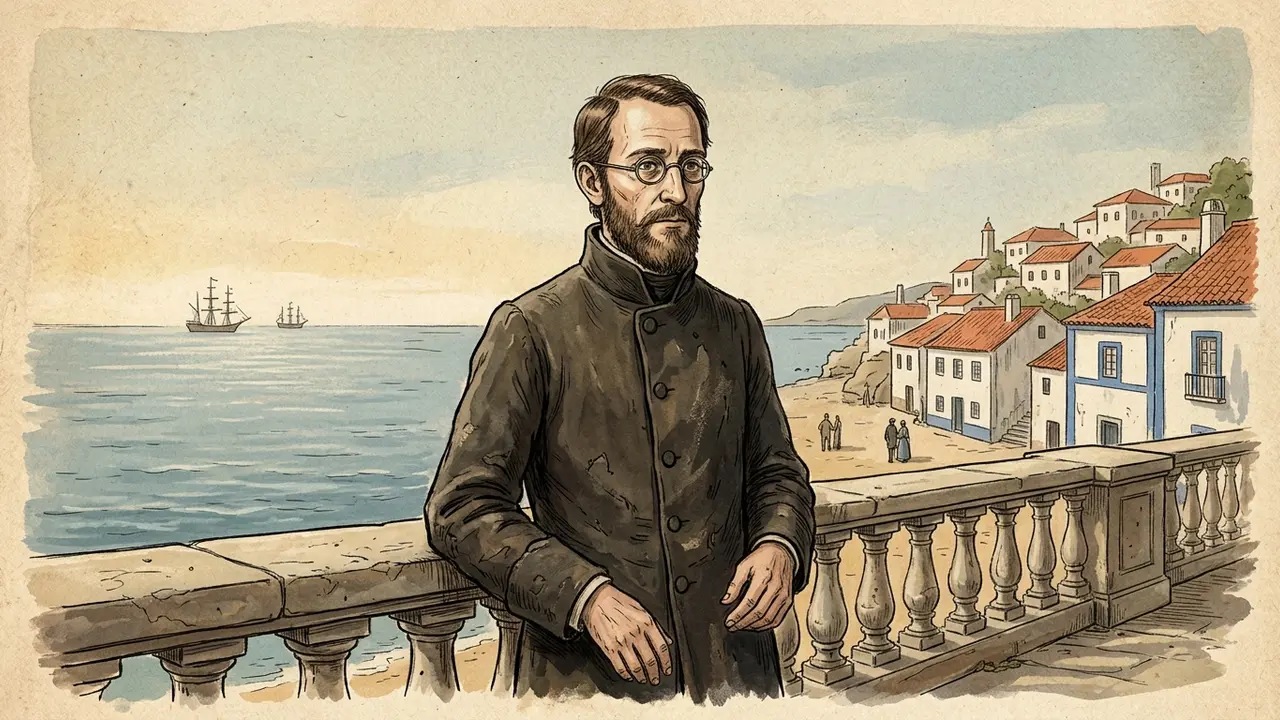
1842–1907
Mayor of Cádiz in 1873 who became a leading Spanish anarchist and was jailed for life.
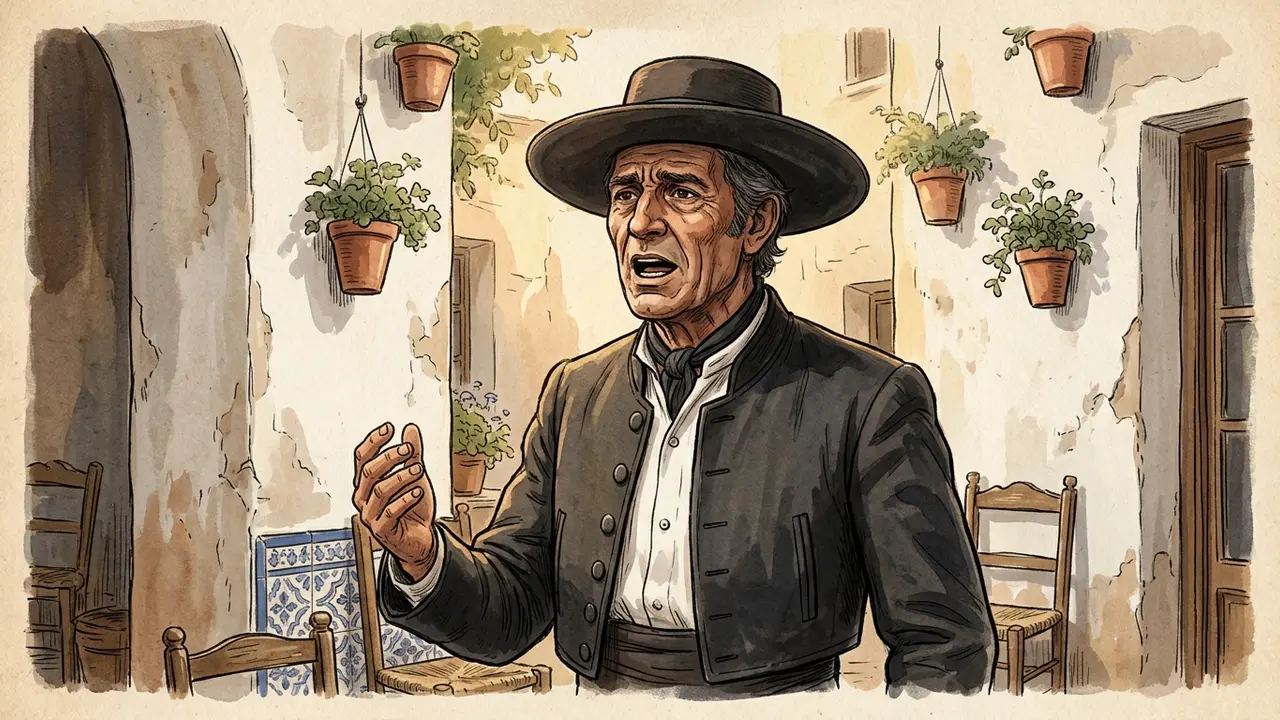
1848–1906
Cantaor whose malagueña and soleá styles became pillars of Cádiz flamenco.
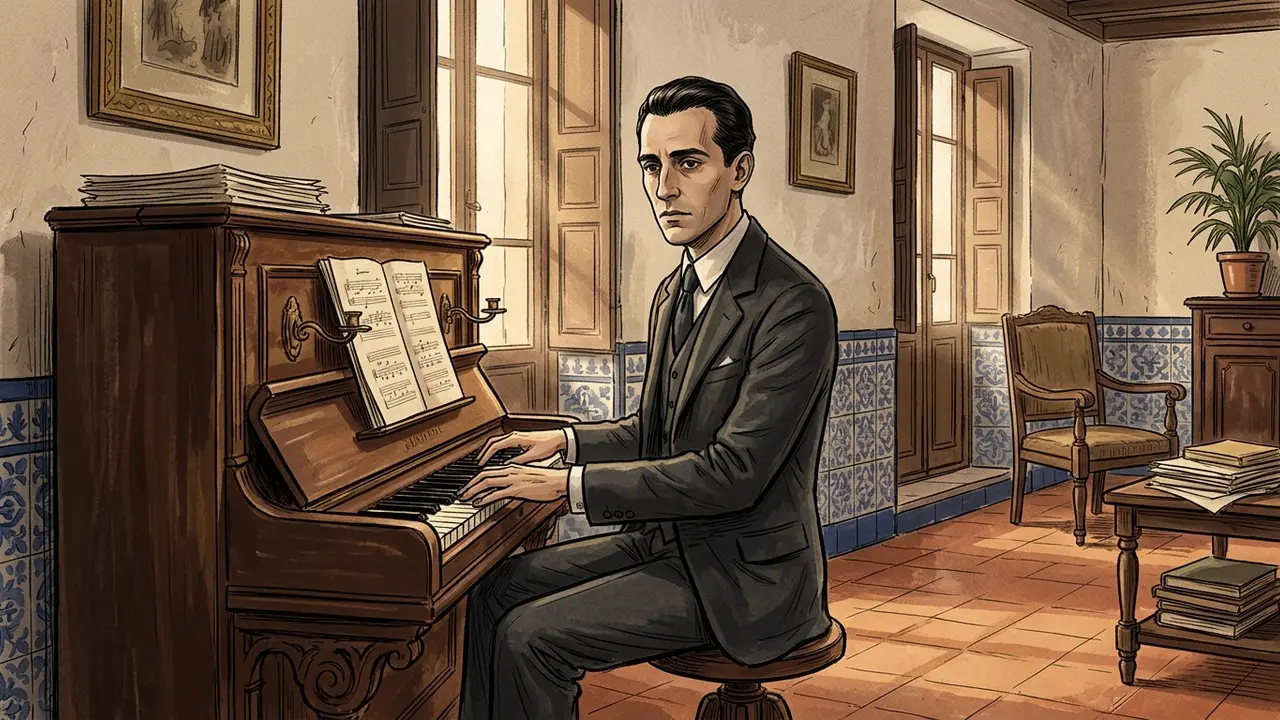
1876–1946
Composer born in Cádiz; its main theatre bears his name and he rests in the cathedral crypt.
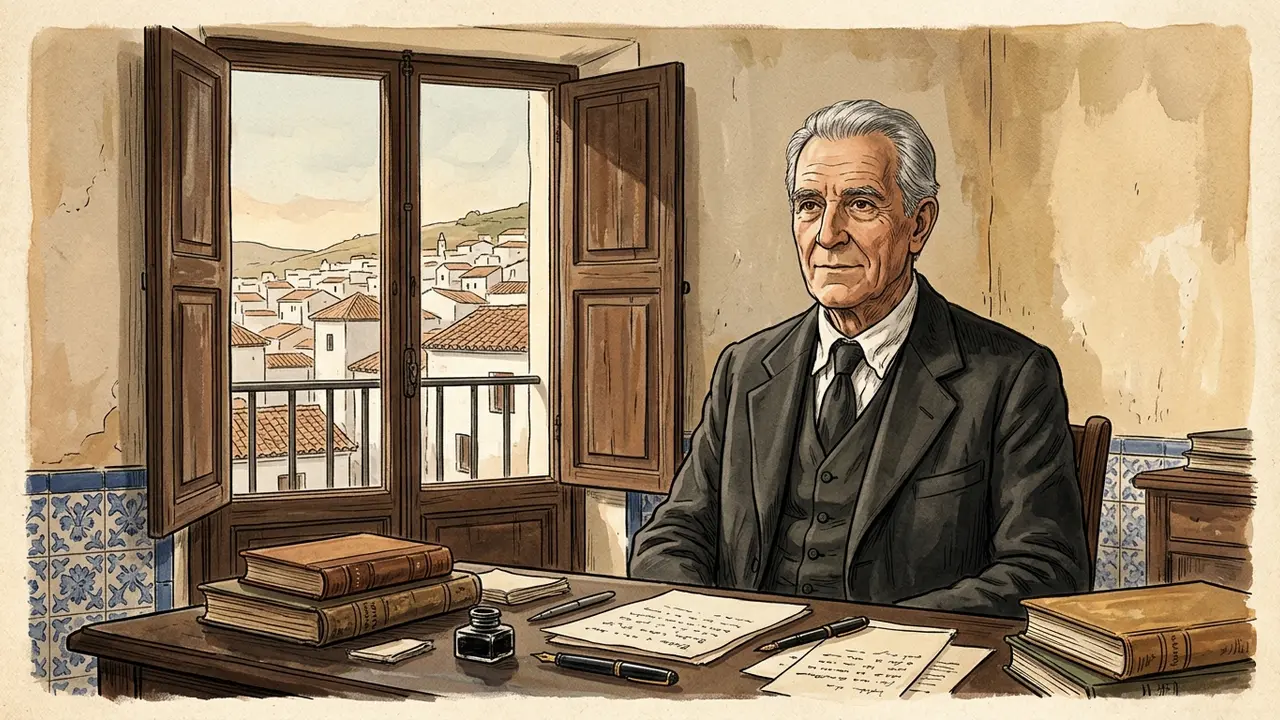
1897–1981
Poet and playwright born in Cádiz; wrote a play on the 1812 Cortes and lies in the cathedral crypt.
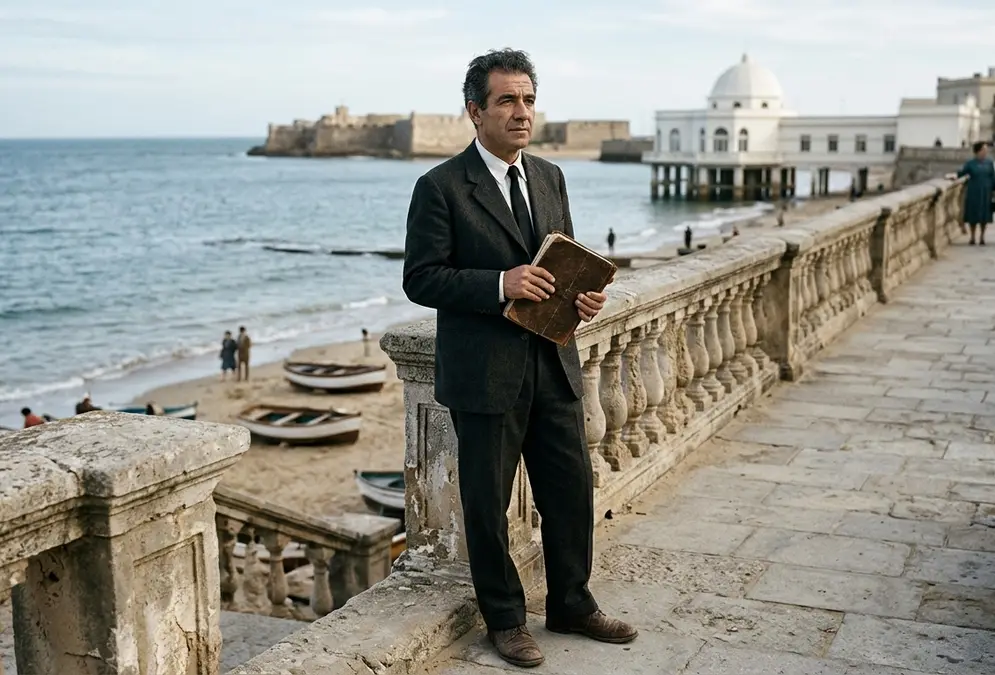
1918–1976
Creator of the Cádiz Carnival comparsa (1960), honoured with a bronze bust beside La Caleta.