- Also known as
- Mendizábal, Mendizabal, Juan de Dios Álvarez Méndez
Juan Álvarez Mendizábal was born Juan de Dios Álvarez Méndez in Cádiz on 25 February 1790, into a household of Cádiz merchants. His parents were Rafael Álvarez Montañés and Margarita Méndez Cárdenas. He later swapped his second surname, Méndez, for Mendizábal.
He was 22 when the Cortes proclaimed the 1812 Constitution in his home city. The Oratorio de San Felipe Neri, where the Cortes met, and the Museo de las Cortes de Cádiz next door tell that story.
Mendizábal made his name in business and finance. In 1820 his main part in Rafael del Riego's pronunciamiento was to pay for the uprising. In 1823, with the Bertrán de Lis house, he financed the move of the court and the Cortes from Madrid to Cádiz. When the city finally surrendered, he went into exile.
He returned to power in 1835 as finance minister and then prime minister, a post he held until May 1836. His best-known measure, the disentailment, closed most religious orders and sold their property at public auction. The programme led to the disappearance of numerous convents and monasteries. He went back to the Finance ministry in 1836 and sat in the Cortes from 1847 until he died in Madrid on 3 November 1853.
Places to see
In their time
-
The Cortes & the 1812 Constitution
1808–1874
While most of Spain fell to French forces, Cádiz held out under siege from 1810. The Cortes met in the city and proclaimed the Constitution of 19 March 1812, known as La Pepa, a landmark of European liberalism.
-
Mercado Central de Abastos
1837–1838 Monument
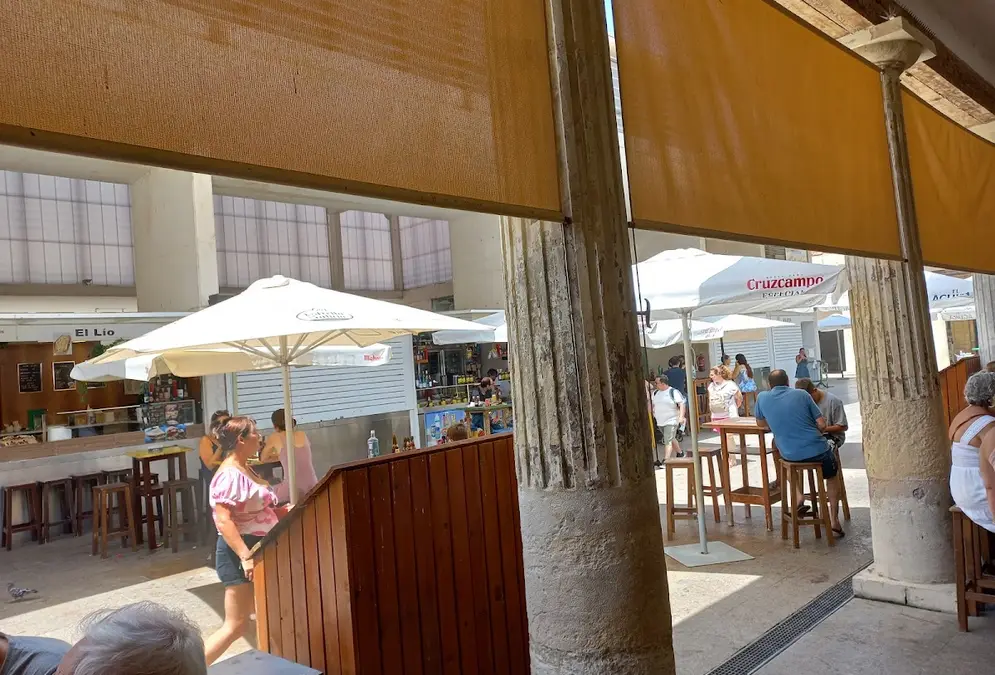
Cádiz's 1838 Doric-colonnaded central market on Plaza de la Libertad, with 173 fish and produce stalls, the Rincón Gastronómico and free morning admission.
-