- Also known as
- El Mellizo, Enrique Jiménez Fernández
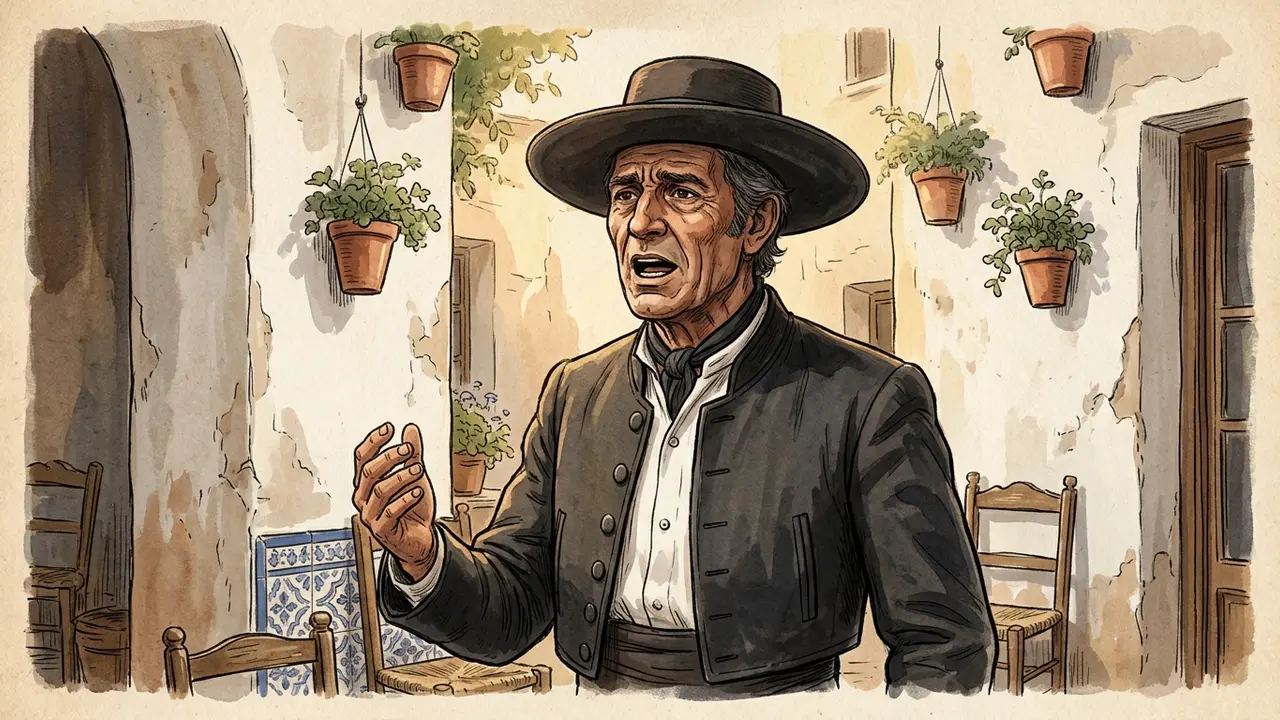
Enrique el Mellizo (Enrique Jiménez Fernández) was born in Cádiz on 1 December 1848 and baptised days later at the parish of Santa Cruz, the city's old cathedral. He worked at the municipal slaughterhouse, a trade he inherited from his father, and sang mostly at private gatherings, with only occasional turns at the Cádiz cafés cantantes La Jardinera, El Perejil and La Filipina.
He never travelled out of his hometown, yet singers from across Andalusia came to Cádiz to hear him. His malagueña is the best known of his creations, and he is credited with three styles of soleá and with siguiriyas, alegrías and saetas. The attribution of the tientos to him rests on oral tradition and is contested. He never entered a recording studio, so his cantes survived through the singers who learned them.
He died of tuberculosis on 30 May 1906 and was buried in the Cádiz cemetery the next day. In 2006 the city marked the centenary with a gala at the Gran Teatro Falla.
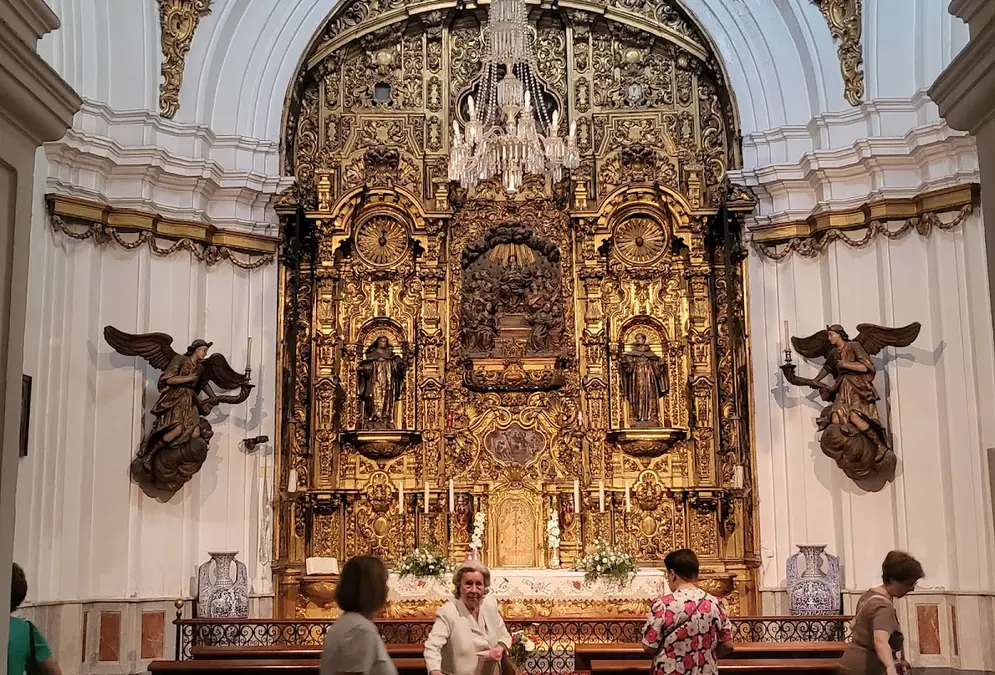
To follow his trace, start in Santa María, the flamenco barrio, where a bust of him stands. His baptism parish is now the Iglesia de Santa Cruz. To hear the cante of Cádiz live, see the flamenco show in Cádiz.
Places to see
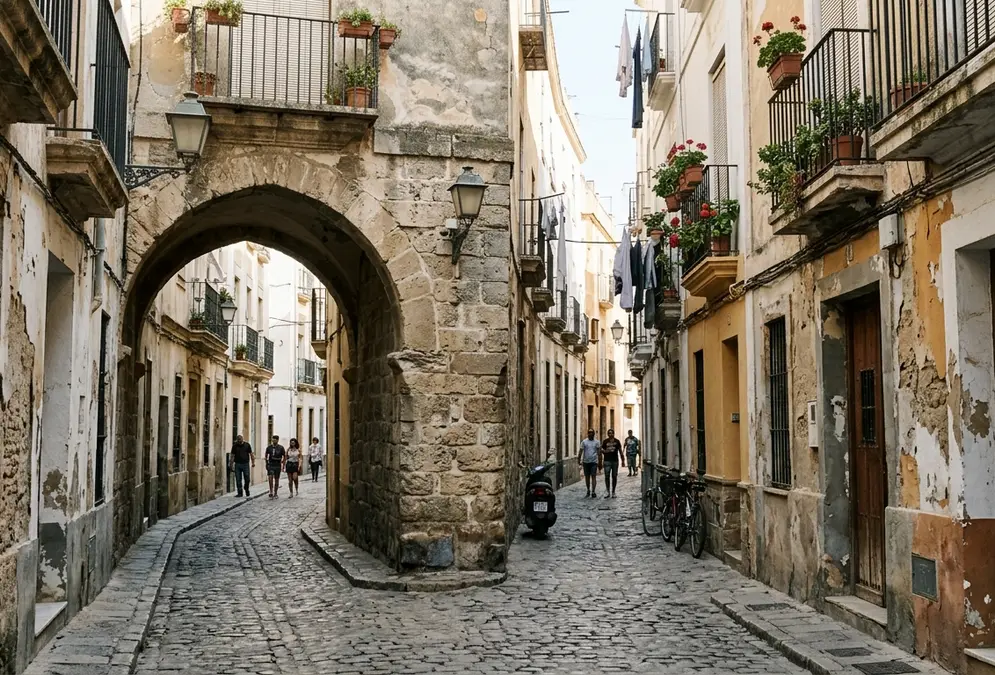
In their time
-
Modern Cádiz
1875–today
Late 19th-century Cádiz added the Gran Teatro Falla and the Carnival tradition, and the 20th century brought shipbuilding, industry and the city's tourism economy. The Carnival of Cádiz remains the best known living tradition of the modern city.
-
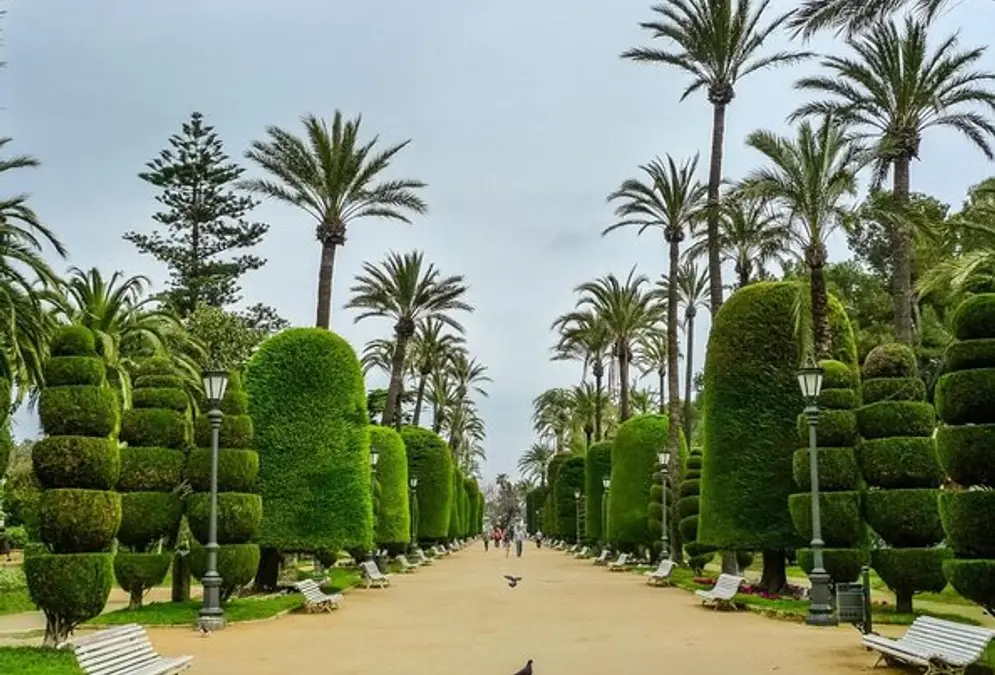
Parque Genovés
1892 Monument
Visit Parque Genovés in Cádiz: a free 3-hectare 1892 Romantic botanical garden on the seafront with 150+ exotic tree species, La Gruta waterfall and open hours.
-
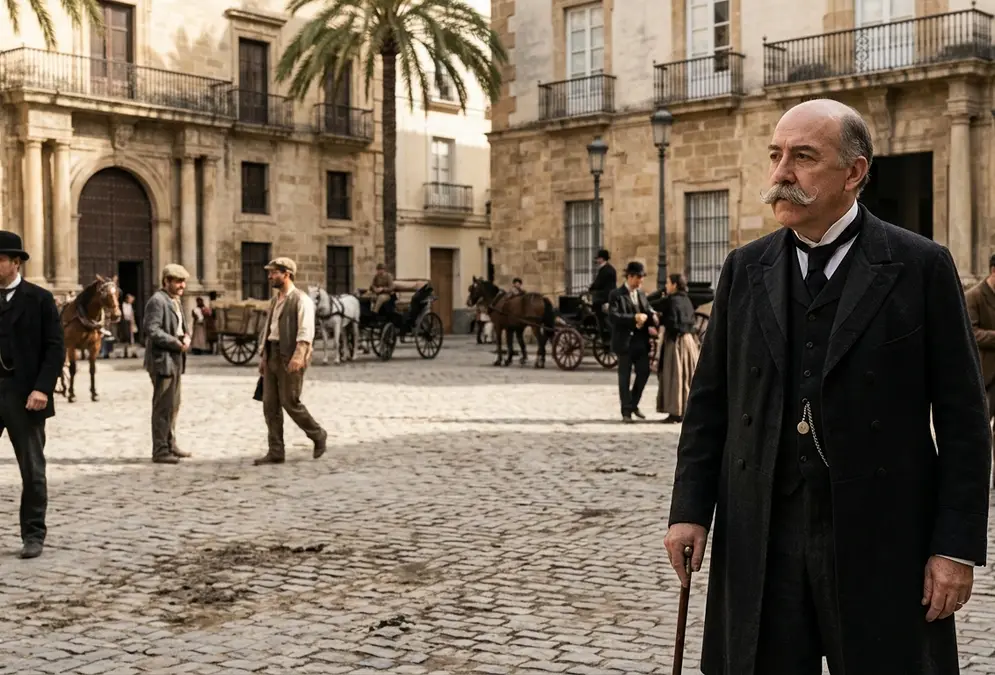
Emilio Castelar
1832–1899 Historical figure
Emilio Castelar (1832-1899), the Cádiz-born orator, historian and last president of the First Spanish Republic. Follow his life and trace across Cádiz today.
-
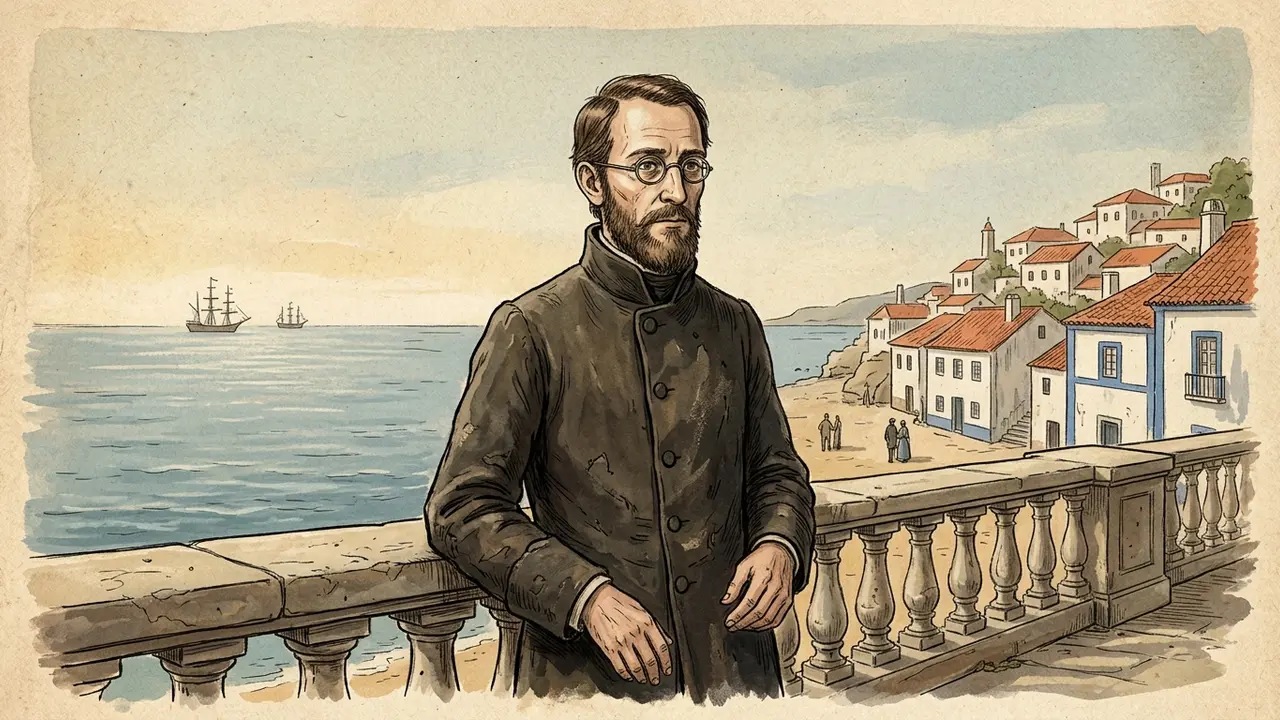
Fermín Salvochea
1842–1907 Historical figure
Fermín Salvochea (1842-1907) was the Cádiz-born anarchist who became mayor in 1873. Who he was and where his trace remains in Cádiz today: route and grave.
-
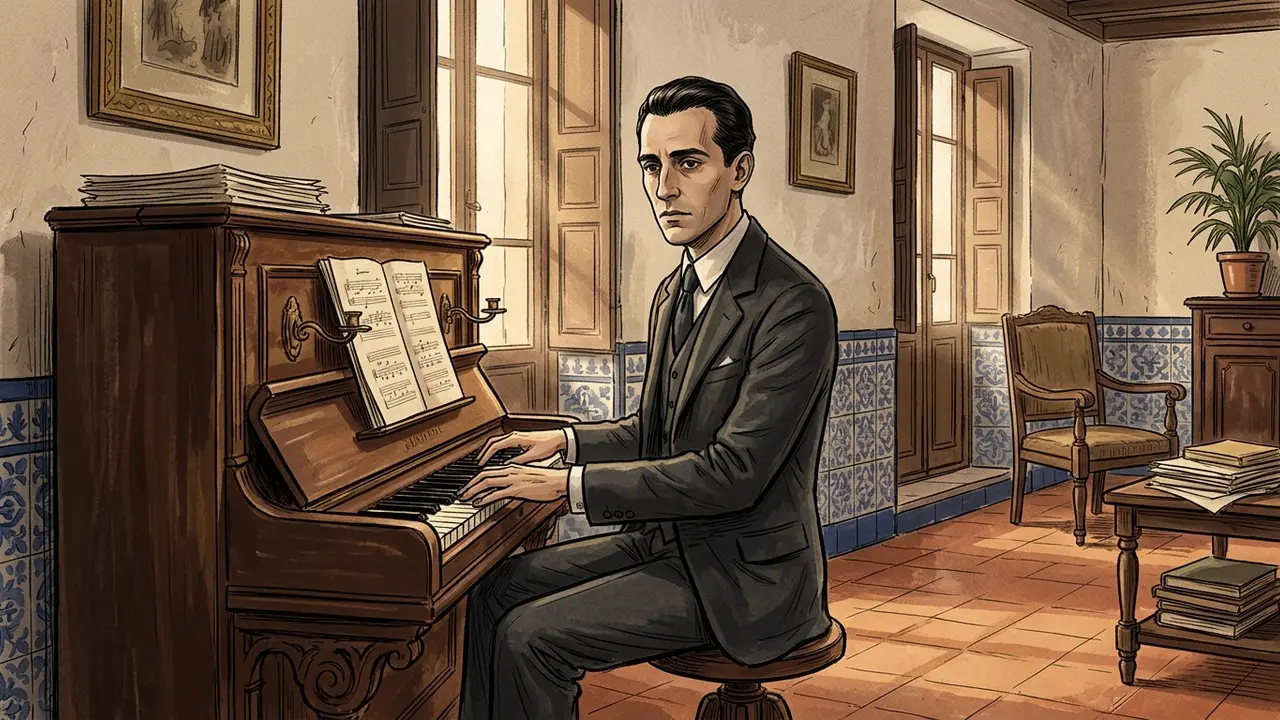
Manuel de Falla
1876–1946 Historical figure
Manuel de Falla was born in Cádiz in 1876 and rests in its cathedral crypt. See the Gran Teatro Falla, the Museo de Cádiz and the places tied to his life.
-
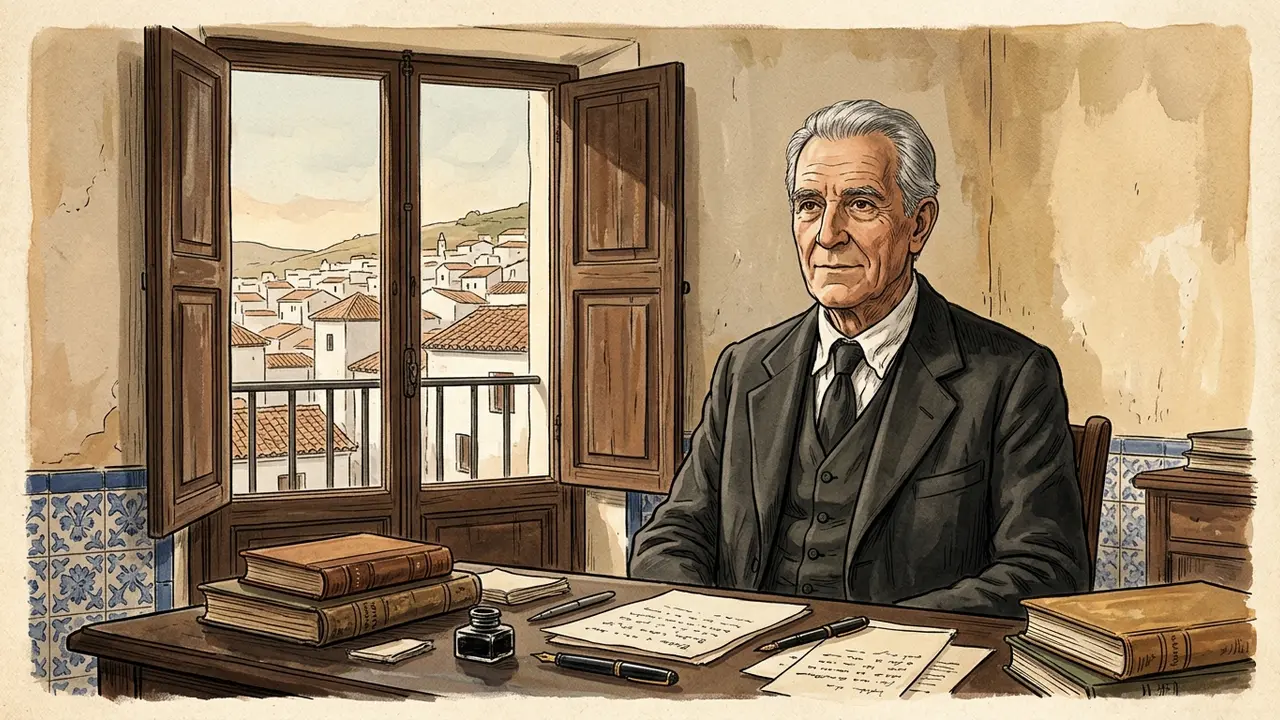
José María Pemán
1897–1981 Historical figure
José María Pemán was born in Cádiz in 1897 and rests in its cathedral crypt. A poet and playwright with a contested record, see where his trace remains.
-
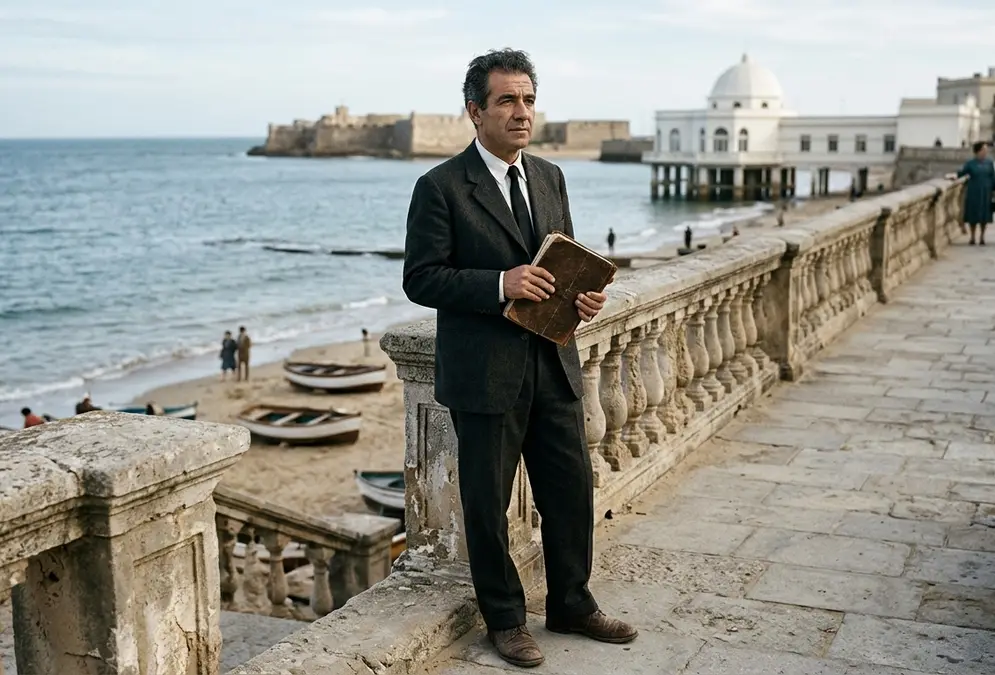
Paco Alba
1918–1976 Historical figure
Paco Alba (1918-1976), creator of the Cádiz Carnival comparsa and composer of classic coplas at the Gran Teatro Falla. Discover his life and legacy in Cádiz.
Undated
-
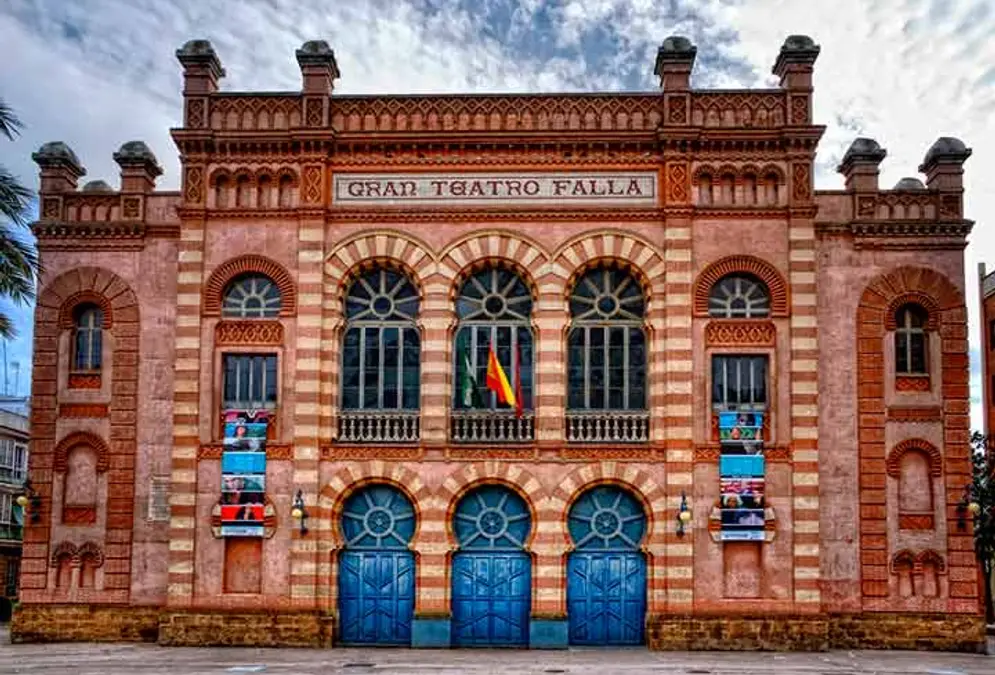
Gran Teatro Falla
Monument
Cádiz's Neo-Mudéjar municipal theatre in Plaza Fragela, built 1884-1905 and home to the February Carnival contest. Interior opens only for programmed events.
-