- Also known as
- Falla
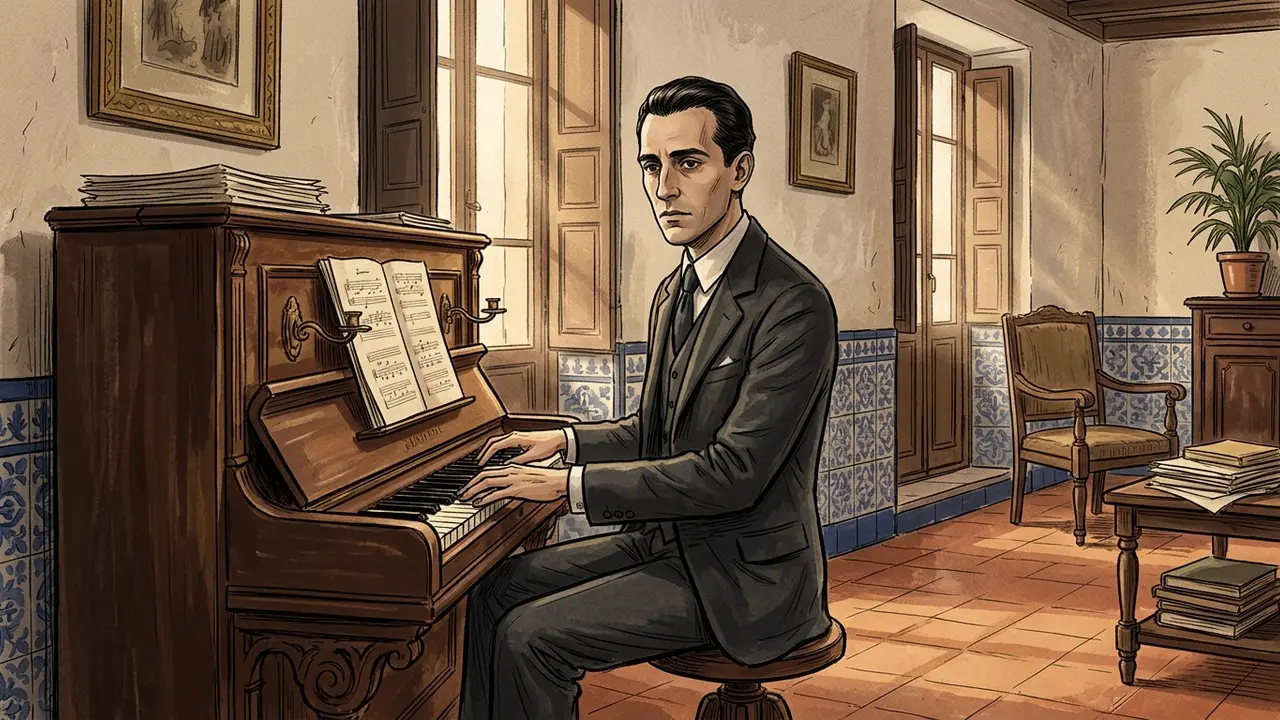
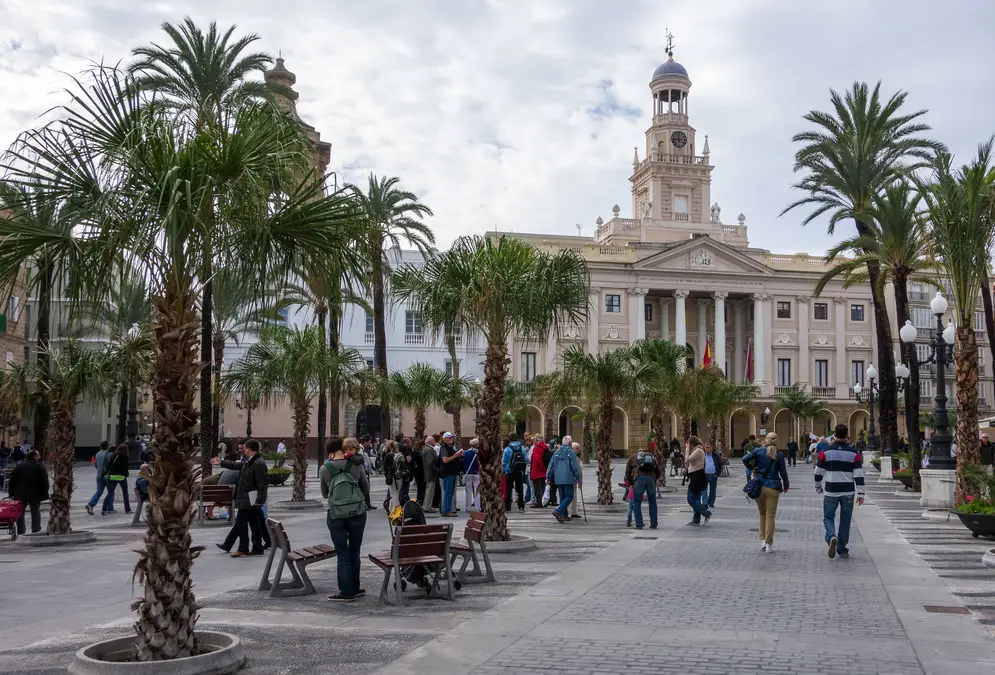
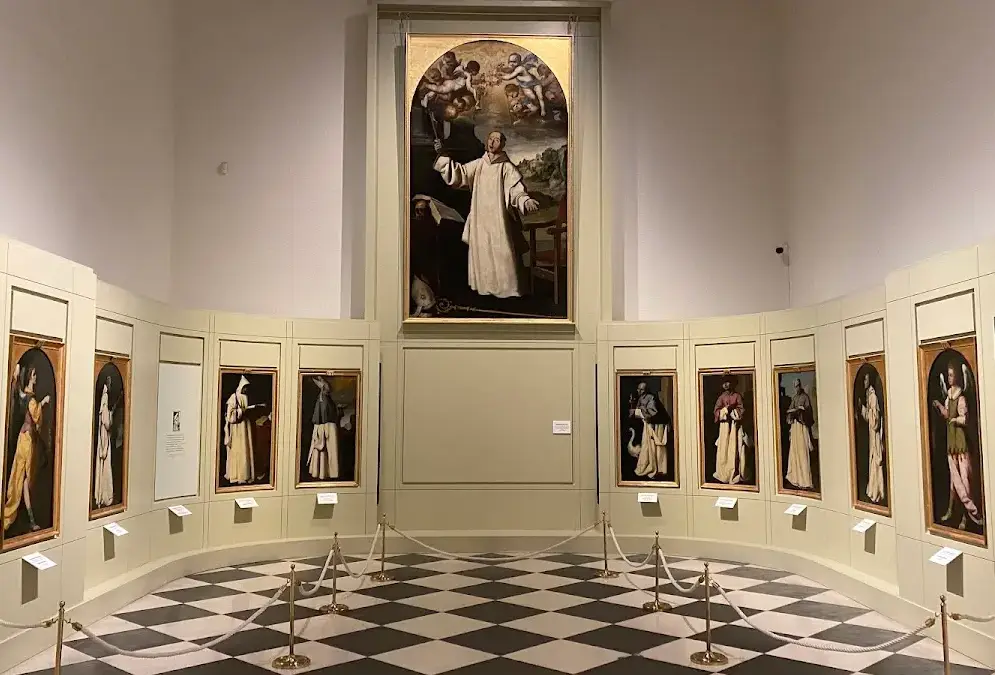
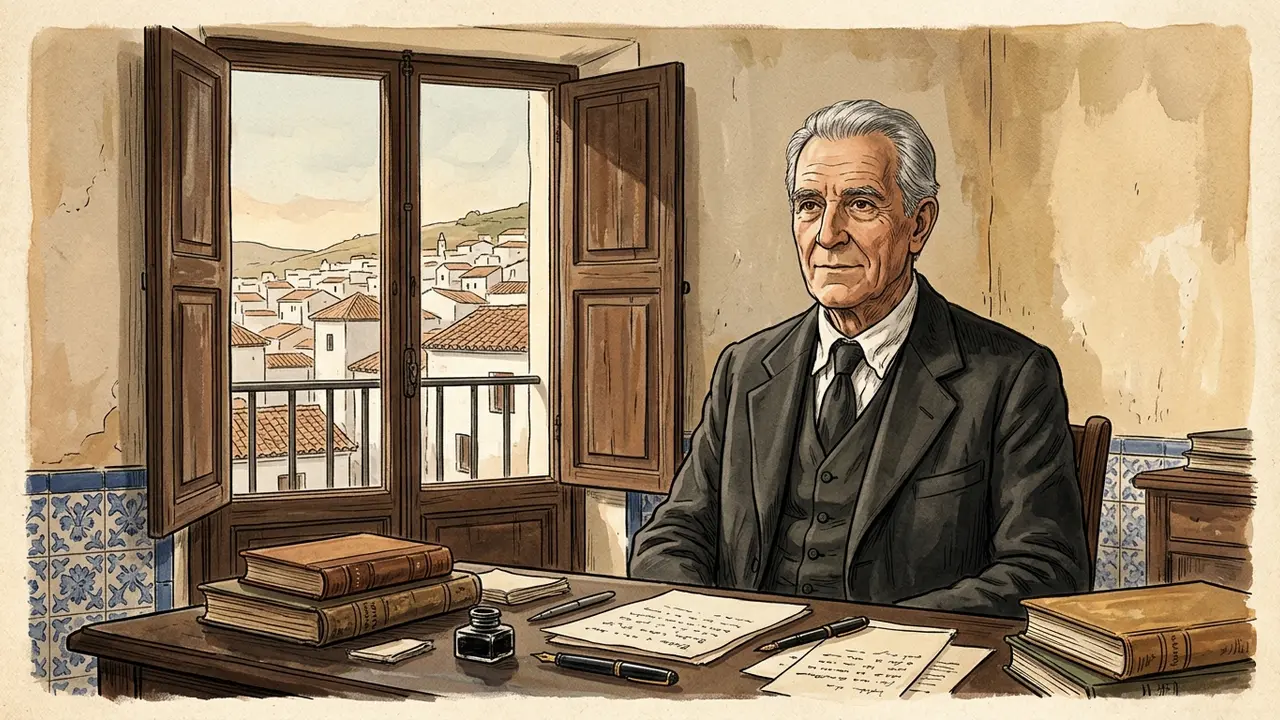
Manuel de Falla was born in Cádiz on 23 November 1876, on the Plaza de la Mina, and was baptised a few days later. As a teenager he founded two magazines in the city, El Cascabel and El Burlón. His vocation came at 17, after a concert at the Museo de Cádiz where he heard orchestral works by Beethoven and Grieg.
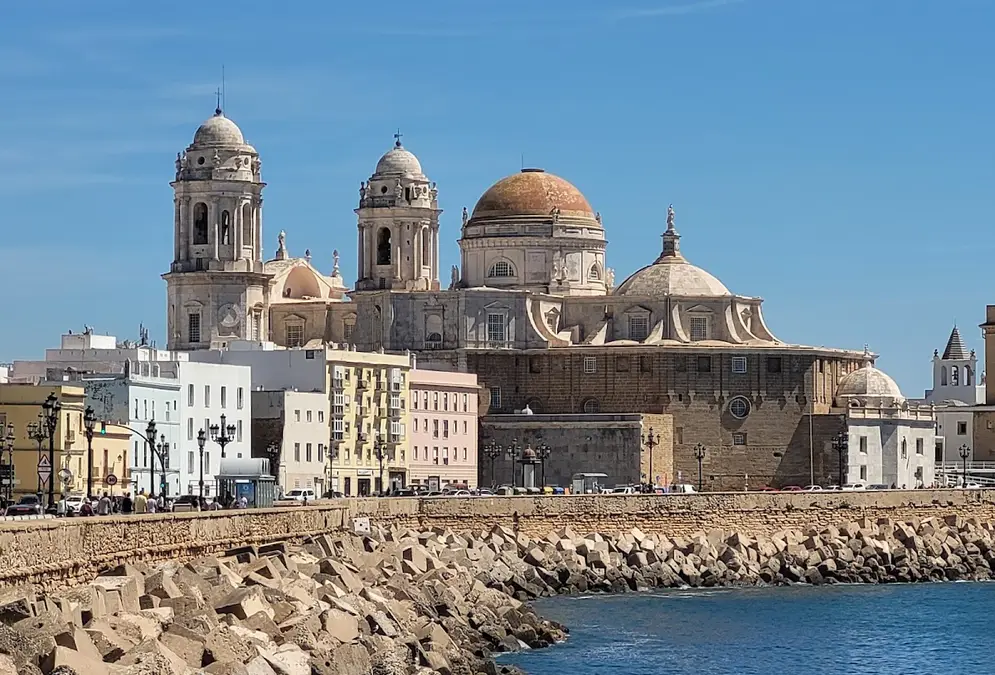
He became Spain's most important composer of the 20th century, a pianist and composer who joined Spanish popular and historical music to an international language. He gave the last twenty years of his life almost entirely to Atlántida, a scenic oratorio he never finished. He moved to Argentina in 1939 and died in Alta Gracia on 14 November 1946. His remains were brought back to Spain in 1947 and buried in the crypt of Cádiz Cathedral, beside his friend José María Pemán.
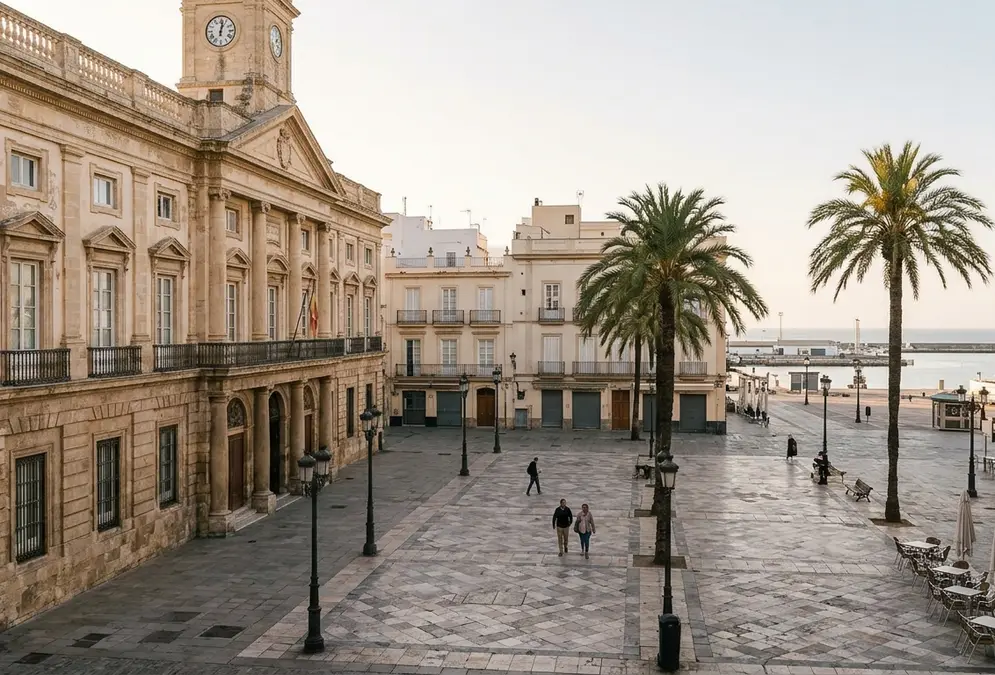
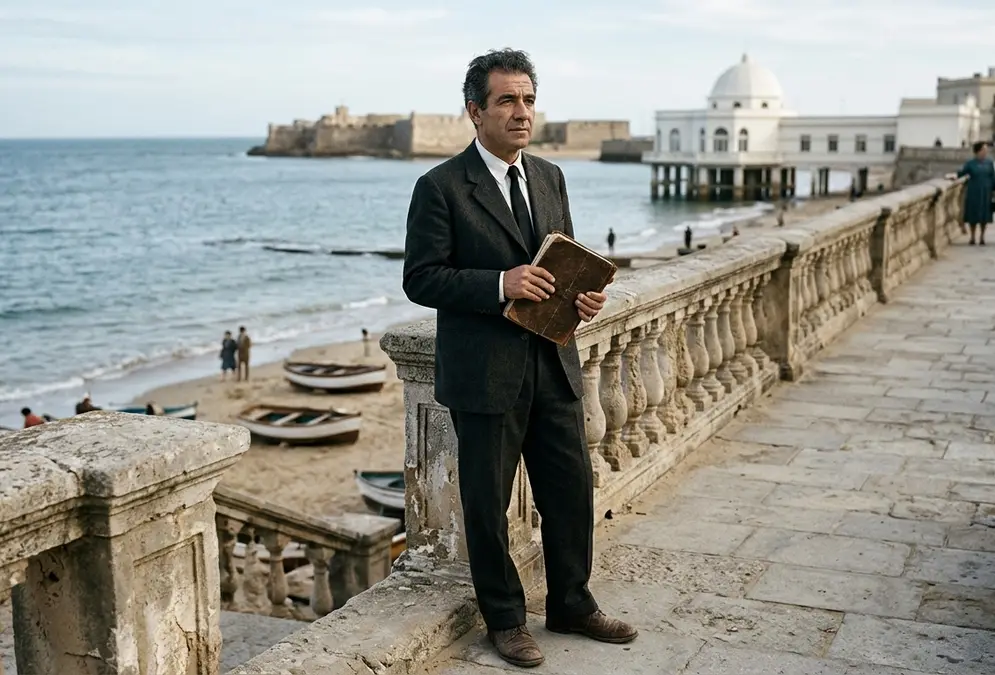
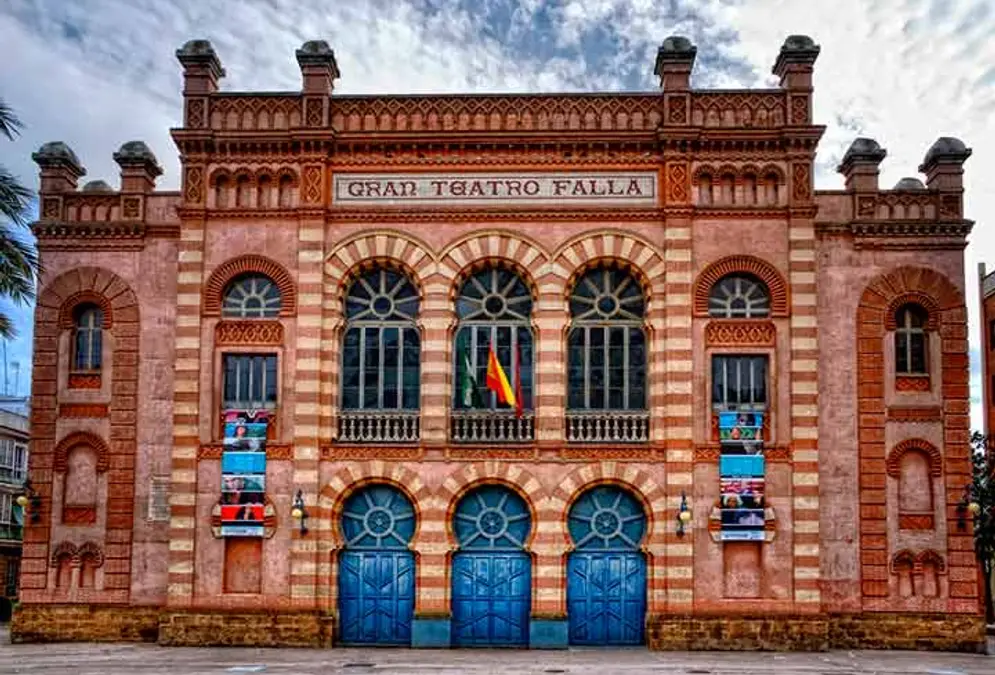
Three places hold his trace. The Museo de Cádiz on Plaza de Mina is where the concert that set his course took place. The Gran Teatro Falla has carried his name since 1926 and is the city's main theatre. His tomb lies in the crypt of Cádiz Cathedral, which the cathedral ticket covers.
Places to see
In their time
-
Modern Cádiz
1875–today
Late 19th-century Cádiz added the Gran Teatro Falla and the Carnival tradition, and the 20th century brought shipbuilding, industry and the city's tourism economy. The Carnival of Cádiz remains the best known living tradition of the modern city.
-
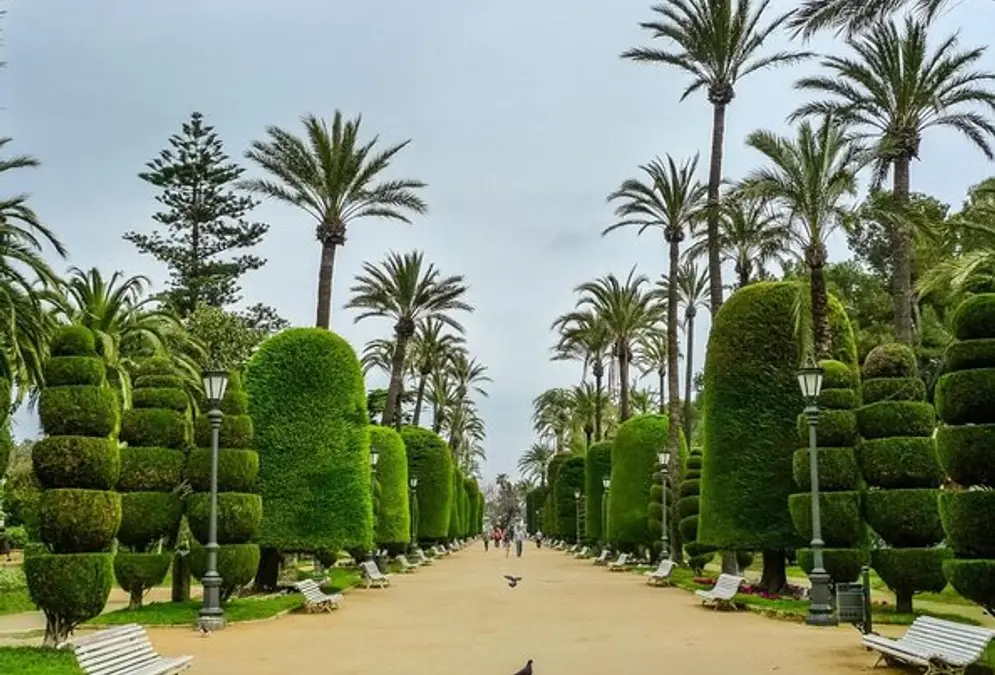
Parque Genovés
1892 Monument
Visit Parque Genovés in Cádiz: a free 3-hectare 1892 Romantic botanical garden on the seafront with 150+ exotic tree species, La Gruta waterfall and open hours.
-
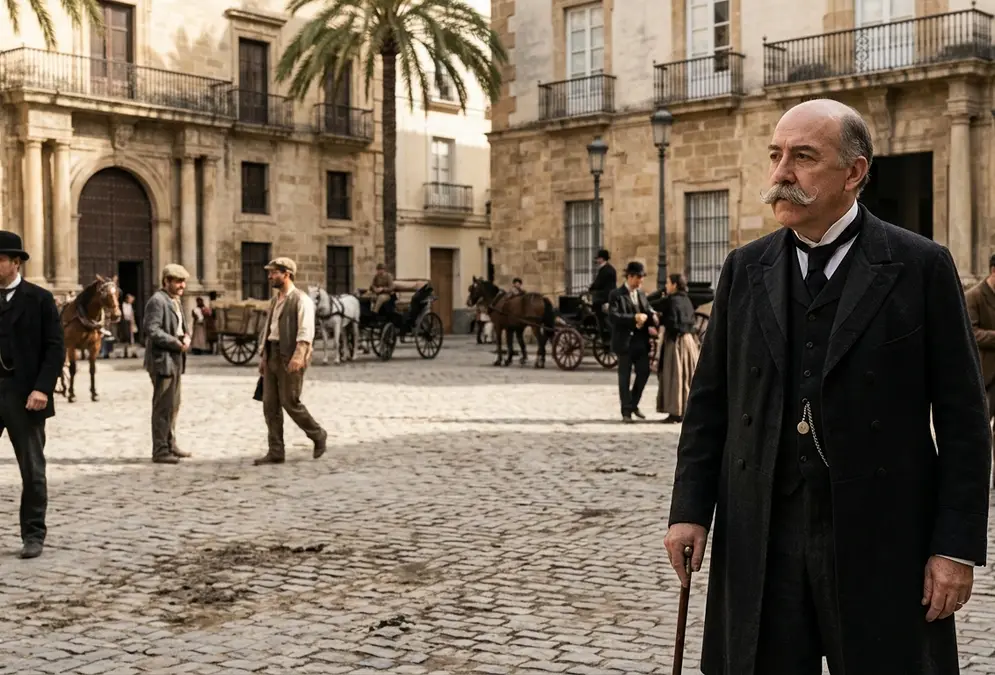
Emilio Castelar
1832–1899 Historical figure
Emilio Castelar (1832-1899), the Cádiz-born orator, historian and last president of the First Spanish Republic. Follow his life and trace across Cádiz today.
-
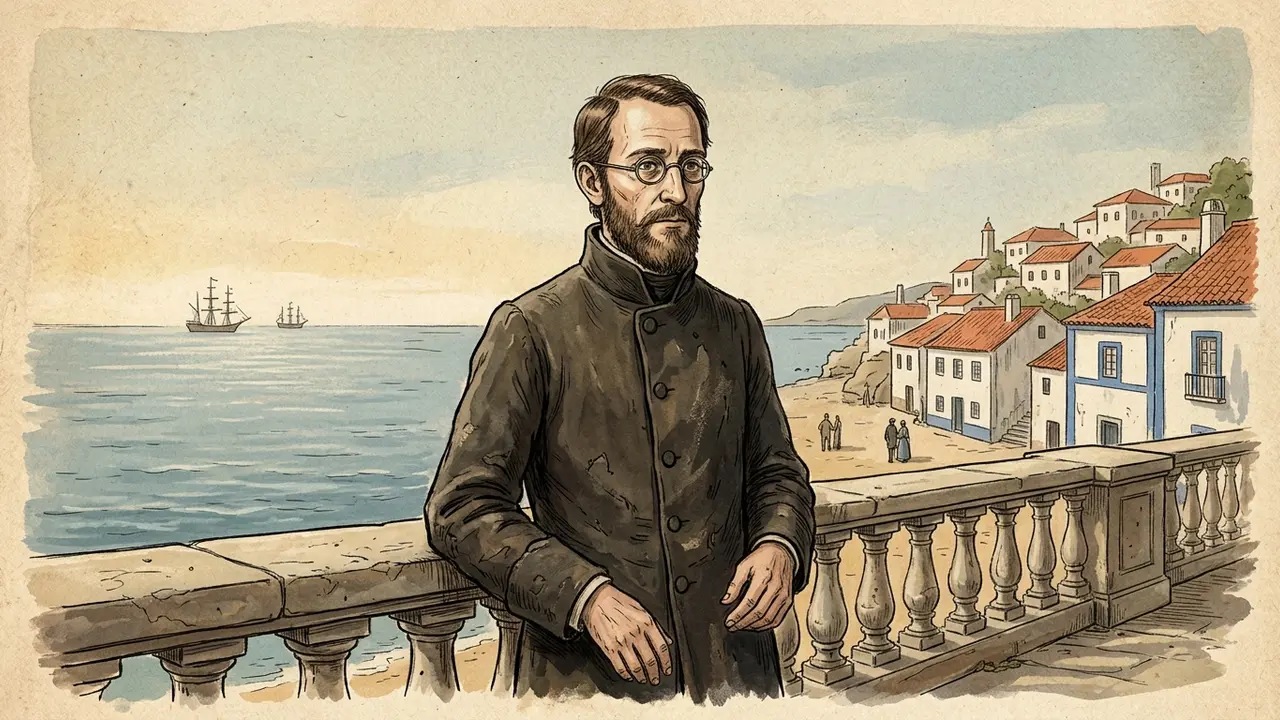
Fermín Salvochea
1842–1907 Historical figure
Fermín Salvochea (1842-1907) was the Cádiz-born anarchist who became mayor in 1873. Who he was and where his trace remains in Cádiz today: route and grave.
-
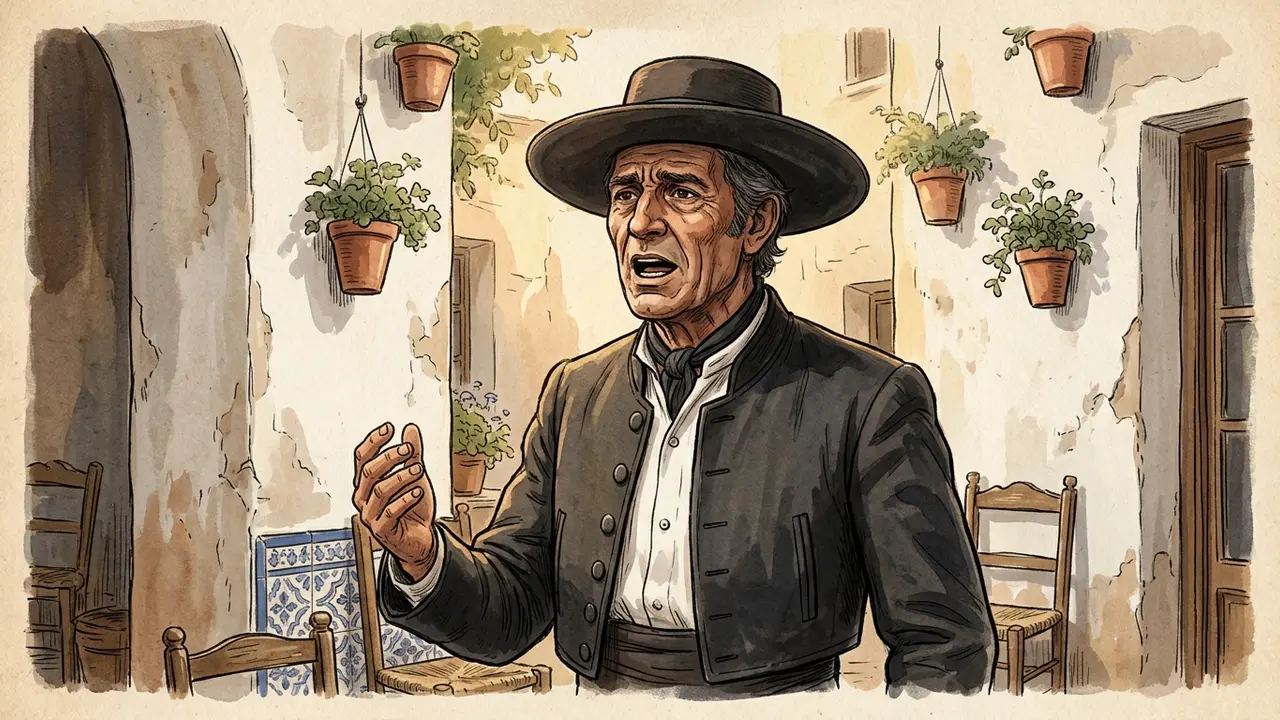
Enrique el Mellizo
1848–1906 Historical figure
Enrique el Mellizo (1848-1906), the Cádiz cantaor behind the city's malagueña and soleá styles. Find his trace in Santa María and the Gran Teatro Falla.
-
José María Pemán
1897–1981 Historical figure
José María Pemán was born in Cádiz in 1897 and rests in its cathedral crypt. A poet and playwright with a contested record, see where his trace remains.
-
Paco Alba
1918–1976 Historical figure
Paco Alba (1918-1976), creator of the Cádiz Carnival comparsa and composer of classic coplas at the Gran Teatro Falla. Discover his life and legacy in Cádiz.
Undated
-
Gran Teatro Falla
Monument
Cádiz's Neo-Mudéjar municipal theatre in Plaza Fragela, built 1884-1905 and home to the February Carnival contest. Interior opens only for programmed events.
-