- Also known as
- Salvochea
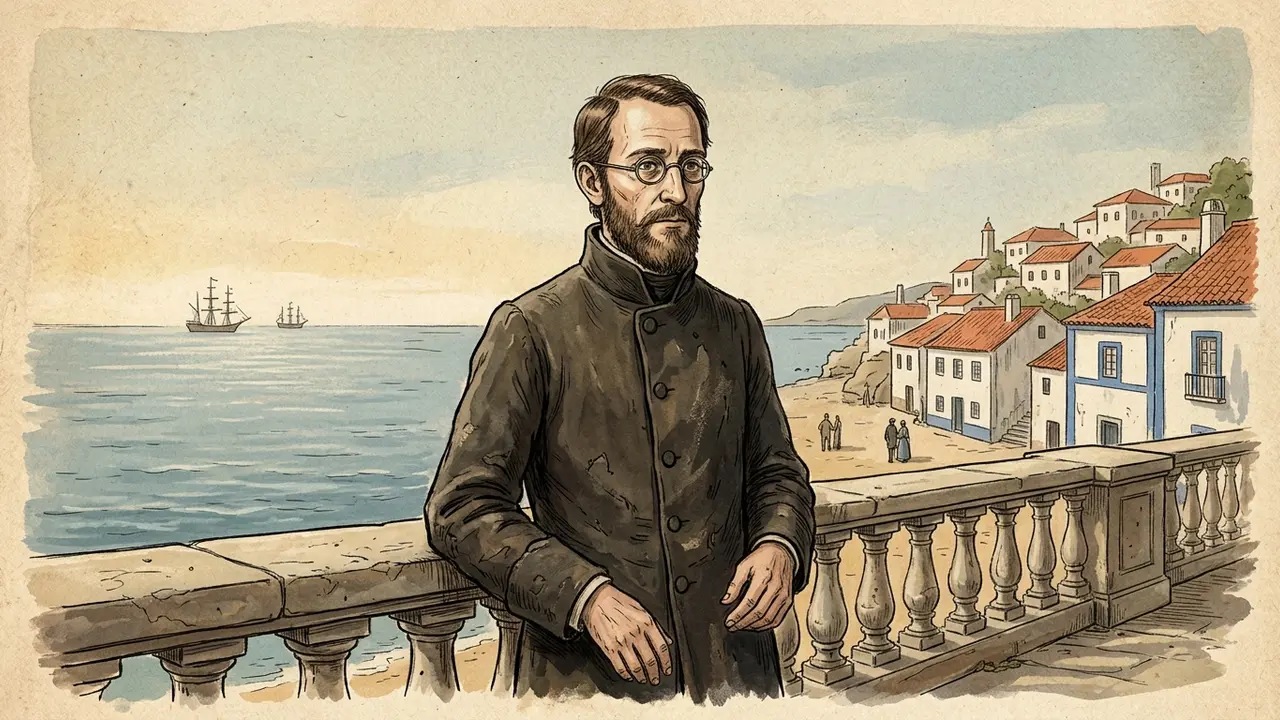
Fermín Salvochea was born in Cádiz on 1 March 1842, in the Plaza de las Viudas. At 15 he was sent to London and Liverpool to learn trade, and spent five years there reading Robert Owen and Thomas Paine instead. Back home, he joined the 1868 revolution and in March 1873, under the First Republic, became mayor of Cádiz. As mayor he expropriated church property and banned religious teaching. He then headed the administrative committee of the Cantón de Cádiz.
When the canton fell to General Pavía's troops he was tried in Seville and sentenced to life in prison. After an escape and a return to Cádiz he founded the newspaper El Socialismo in 1886 and organised the city's first 1 May celebration in 1890. He died in Cádiz in 1907, and his funeral reportedly drew about 50,000 people through heavy rain.
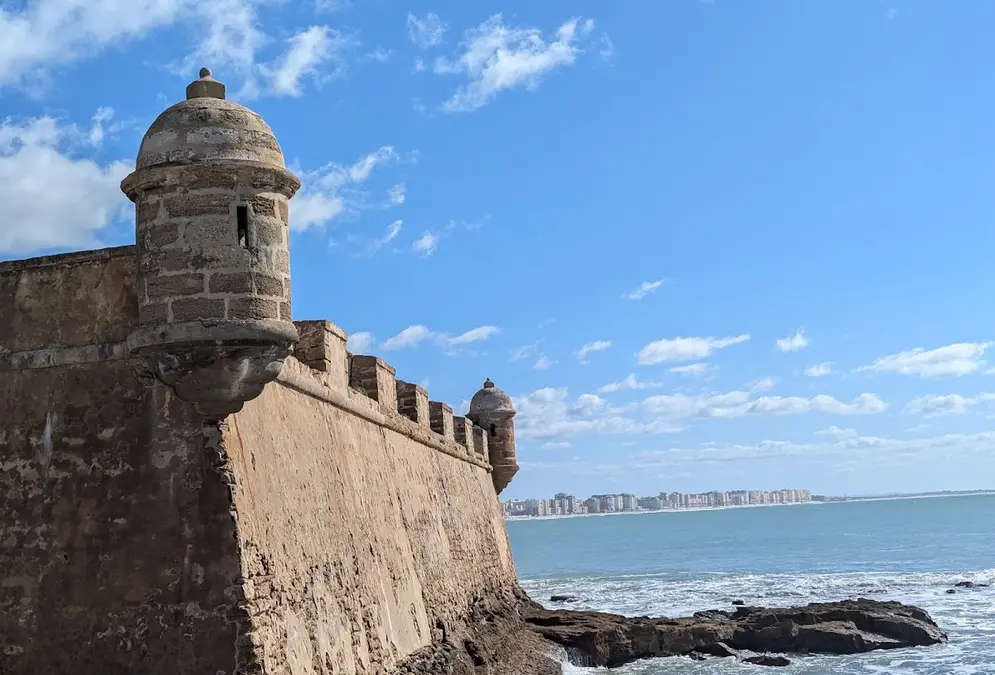
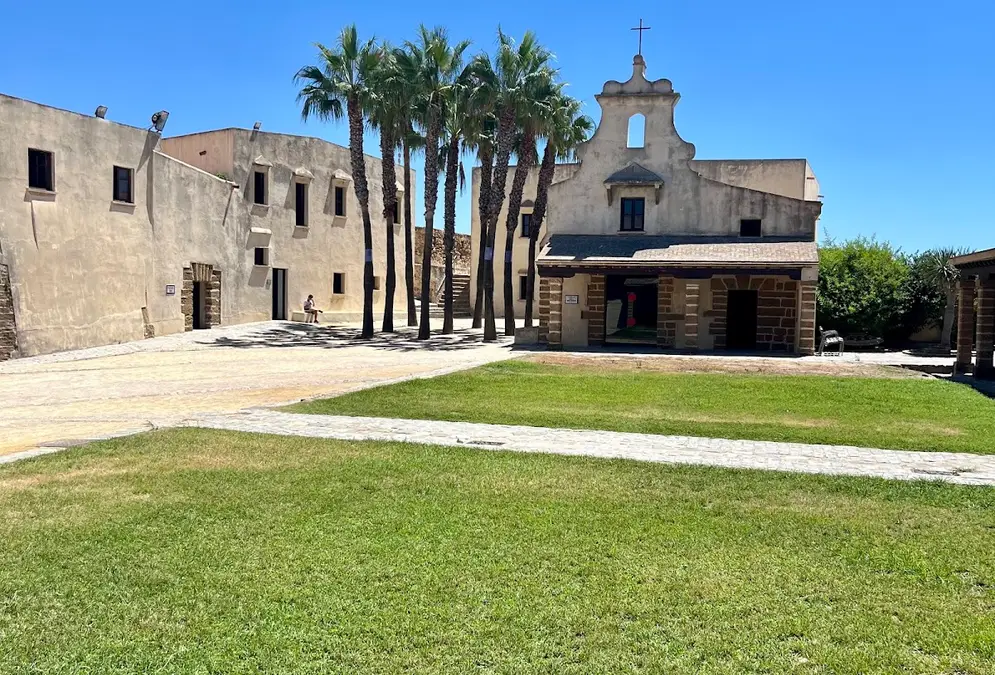
His trace in the city is easy to follow. In 1866 he took part in a plan to free political prisoners held in the casemates of the Castillo de San Sebastián and the Castillo de Santa Catalina, and in December 1868 he was himself locked up in Santa Catalina. A marked route of eight points, marked with plaques, runs from the Plaza de las Viudas through the Plaza de Candelaria to the Paseo del Vendaval, where the former Cárcel Real is now the Casa de Iberoamérica. His grave is in the Cementerio de San José, and the city named him Hijo Predilecto, posthumously, in 2007.
Places to see
In their time
-
Modern Cádiz
1875–today
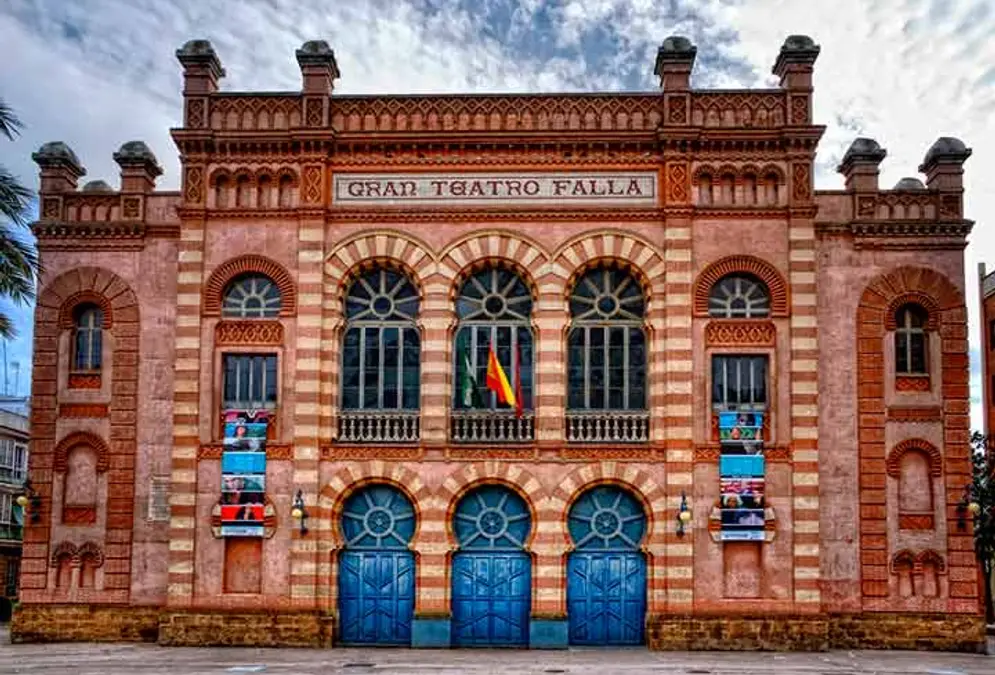
Late 19th-century Cádiz added the Gran Teatro Falla and the Carnival tradition, and the 20th century brought shipbuilding, industry and the city's tourism economy. The Carnival of Cádiz remains the best known living tradition of the modern city.
-
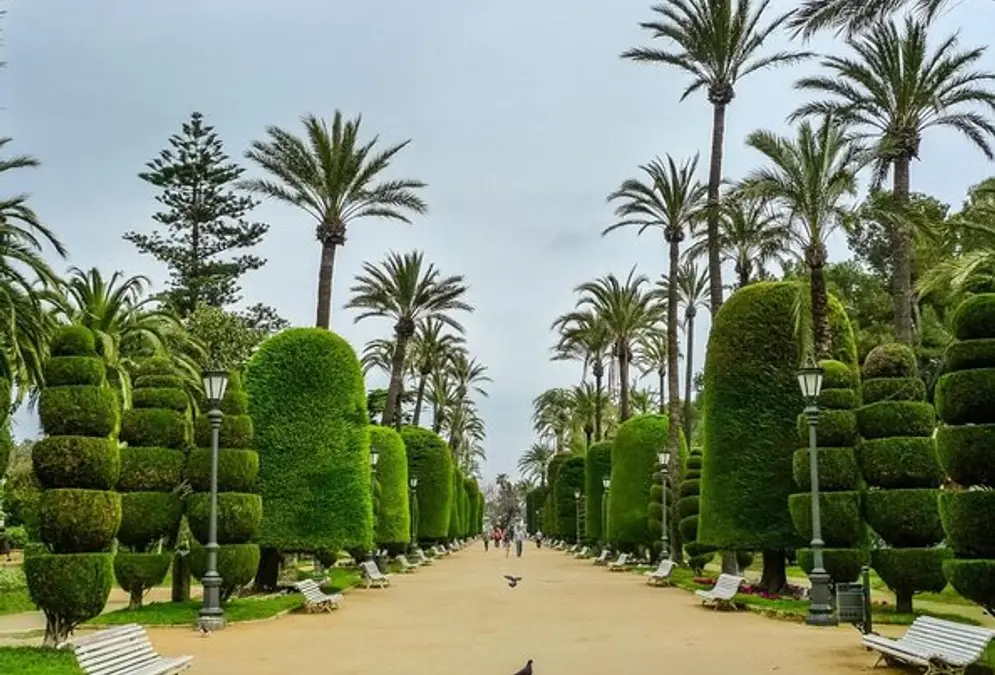
Parque Genovés
1892 Monument
Visit Parque Genovés in Cádiz: a free 3-hectare 1892 Romantic botanical garden on the seafront with 150+ exotic tree species, La Gruta waterfall and open hours.
-
Emilio Castelar
1832–1899 Historical figure
Emilio Castelar (1832-1899), the Cádiz-born orator, historian and last president of the First Spanish Republic. Follow his life and trace across Cádiz today.
-
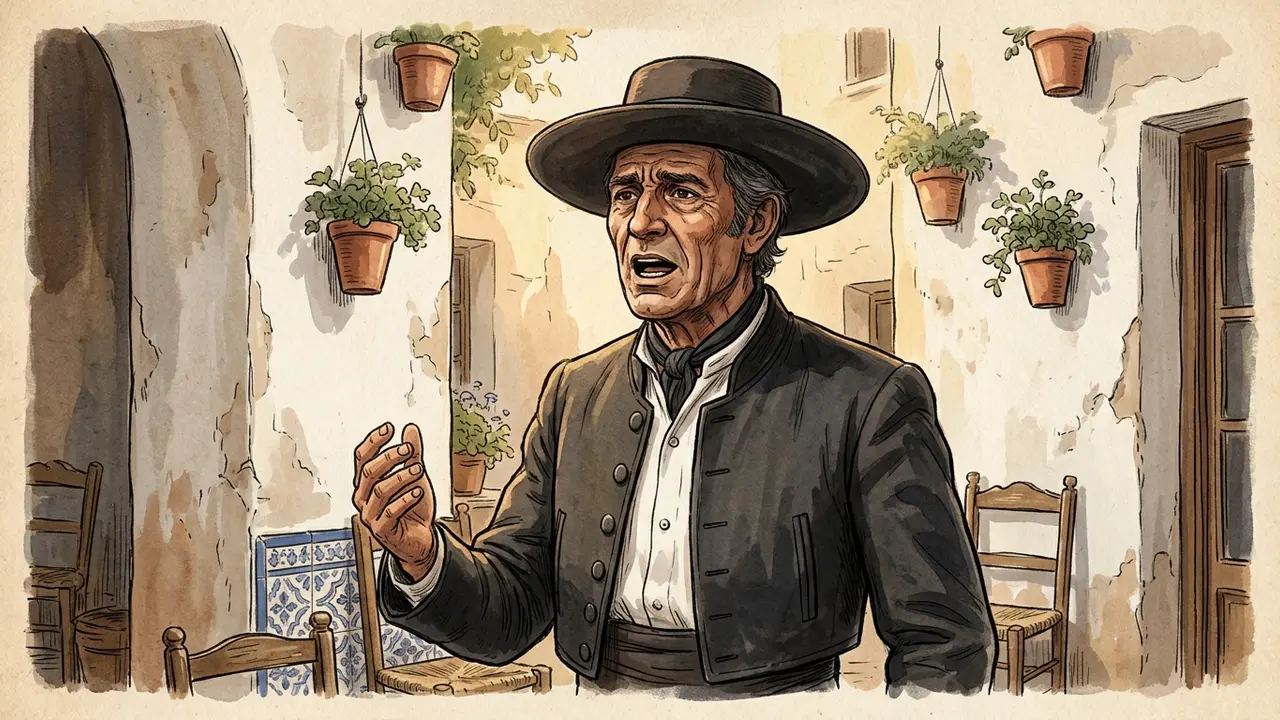
Enrique el Mellizo
1848–1906 Historical figure
Enrique el Mellizo (1848-1906), the Cádiz cantaor behind the city's malagueña and soleá styles. Find his trace in Santa María and the Gran Teatro Falla.
-
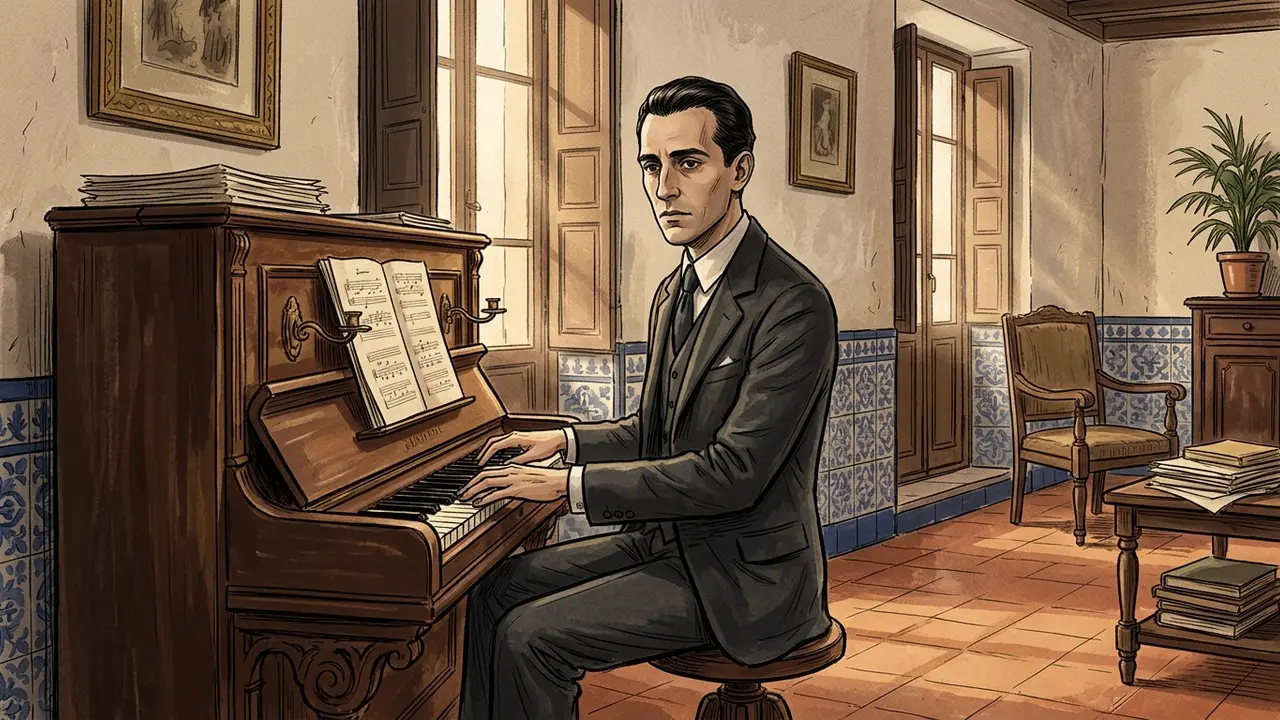
Manuel de Falla
1876–1946 Historical figure
Manuel de Falla was born in Cádiz in 1876 and rests in its cathedral crypt. See the Gran Teatro Falla, the Museo de Cádiz and the places tied to his life.
-
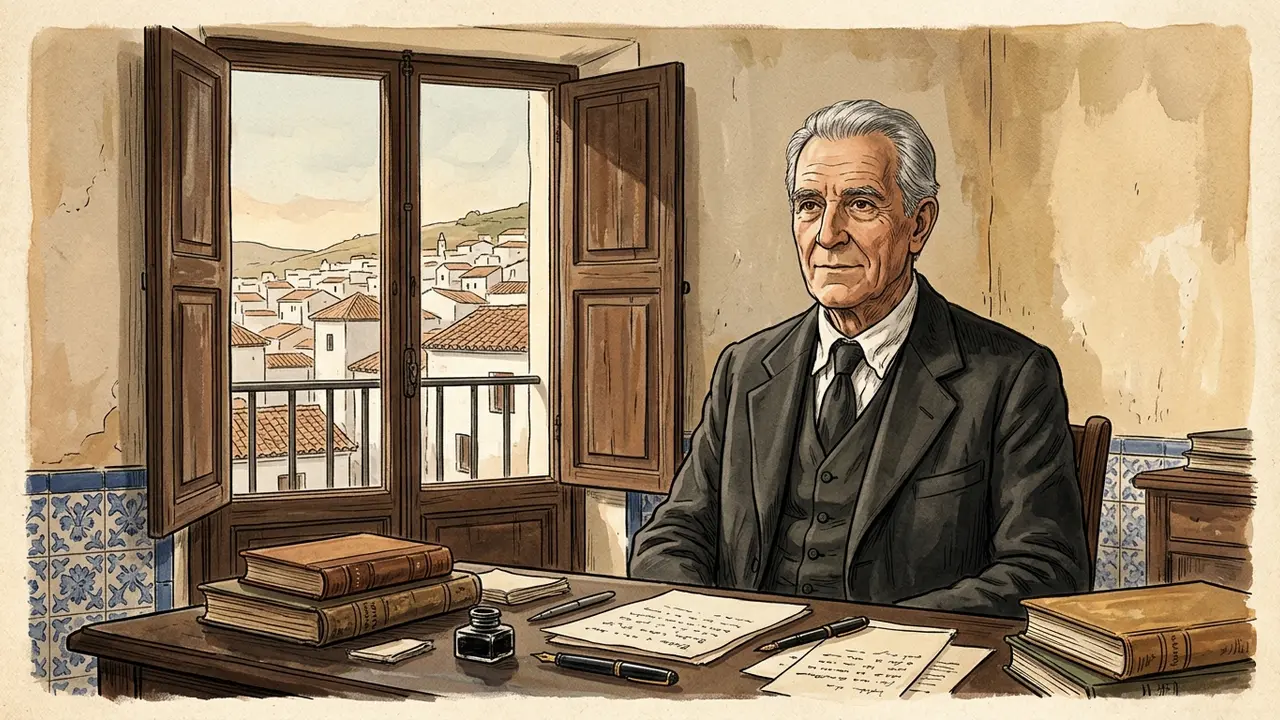
José María Pemán
1897–1981 Historical figure
José María Pemán was born in Cádiz in 1897 and rests in its cathedral crypt. A poet and playwright with a contested record, see where his trace remains.
-
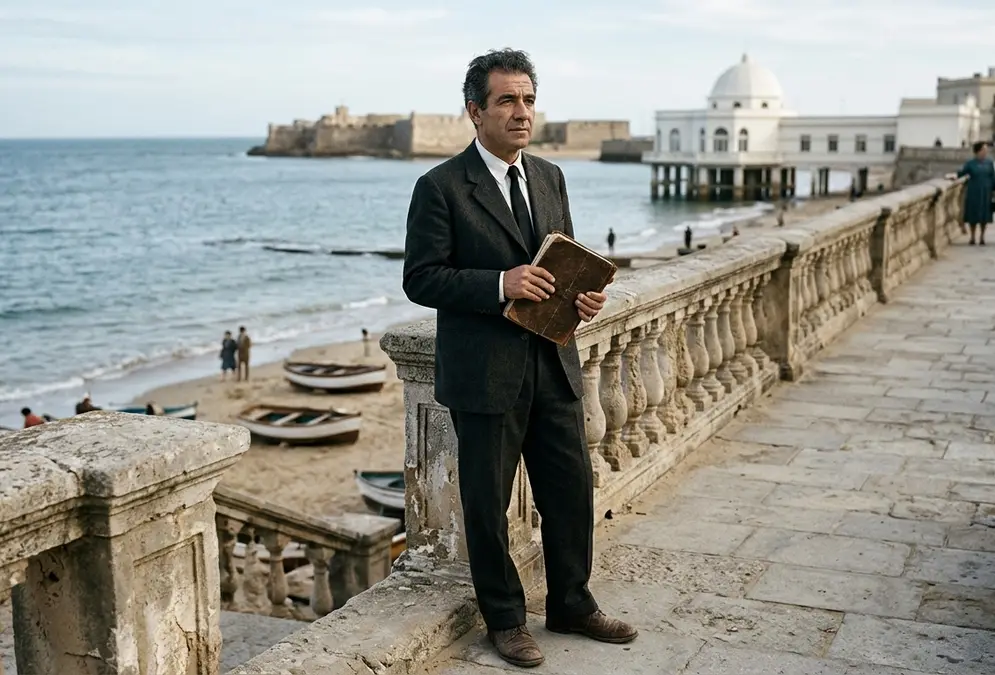
Paco Alba
1918–1976 Historical figure
Paco Alba (1918-1976), creator of the Cádiz Carnival comparsa and composer of classic coplas at the Gran Teatro Falla. Discover his life and legacy in Cádiz.
Undated
-
Gran Teatro Falla
Monument
Cádiz's Neo-Mudéjar municipal theatre in Plaza Fragela, built 1884-1905 and home to the February Carnival contest. Interior opens only for programmed events.
-