- Also known as
- Francisco Alba Medina, El Brujo
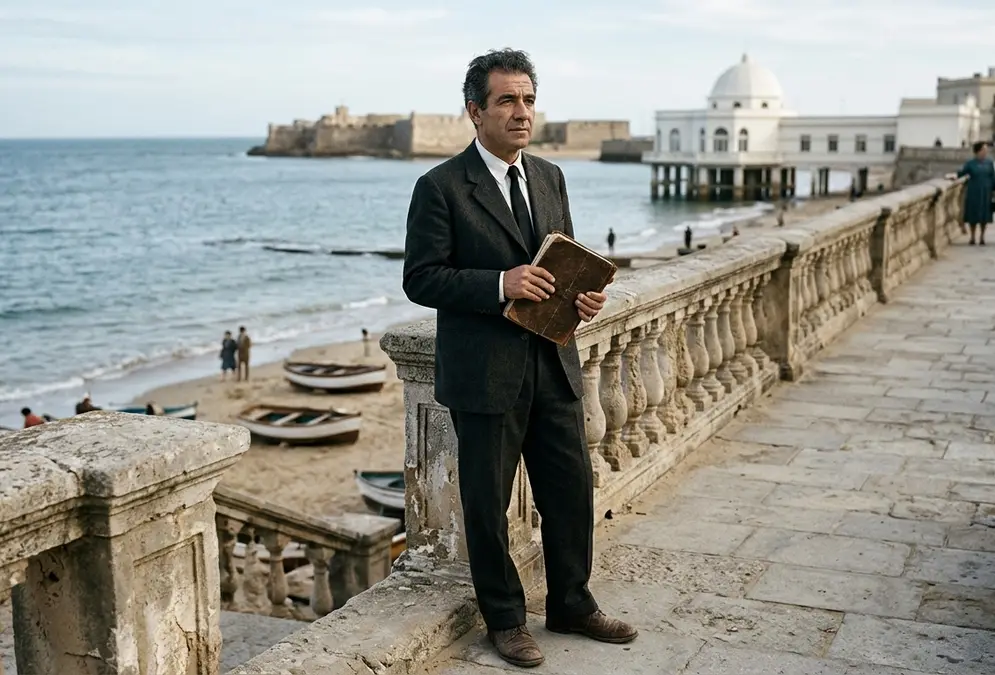
Paco Alba (Francisco Alba Medina) was born in Conil de la Frontera on 23 April 1918 to Francisco Alba Romero and Josefa Medina Zájara. Raised in a musical family, he studied solfège and played clarinet in the Banda de Música de Conil. After his sister died while he toured with a music group, he moved to Cádiz and entered the Astilleros de Cádiz shipyards. In October 1952 coworkers introduced him to director Francisco Patrón Tisirán, leading to his first contest chirigota, Los vendedores de marisco (1953), disqualified after government and church censorship of its ironic social criticism. He rebounded with Second Prize for Los guajiros (1954) and hits like Los julianes (1958).
Because contest organisers could no longer judge his poetic, musical groups alongside conventional chirigotas, in 1960 they created the comparsa modality. Paco Alba became its creator with Los pajeros (1960), his first official comparsa. Over his Cádiz Carnival contest career he won 13 First Prizes, 3 Special First Prizes, 5 Second Prizes and 2 Third Prizes, appeared in La viudita naviera (1961), and received the Antifaz de Oro in 1969. He died in Cádiz on 15 January 1976.
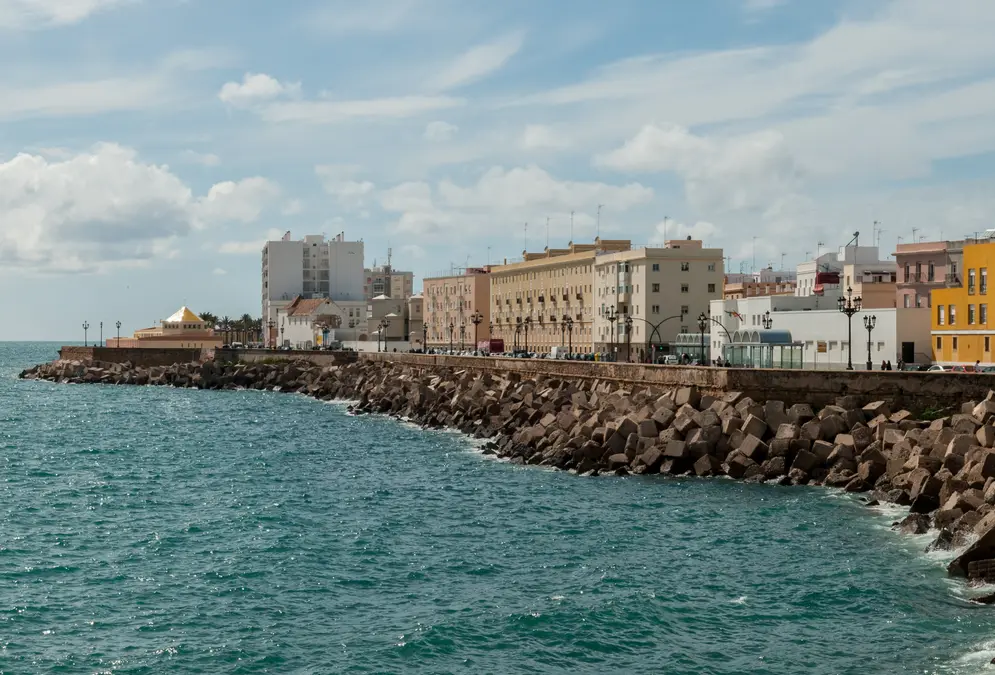
In Cádiz today, his coplas remain central to the Carnaval de Cádiz and its February contest at the Gran Teatro Falla. Beside La Viña, a bust of Paco Alba stands at La Caleta, the finale of the La Viña and Carnival walk.
Places to see
In their time
-
Modern Cádiz
1875–today
Late 19th-century Cádiz added the Gran Teatro Falla and the Carnival tradition, and the 20th century brought shipbuilding, industry and the city's tourism economy. The Carnival of Cádiz remains the best known living tradition of the modern city.
-
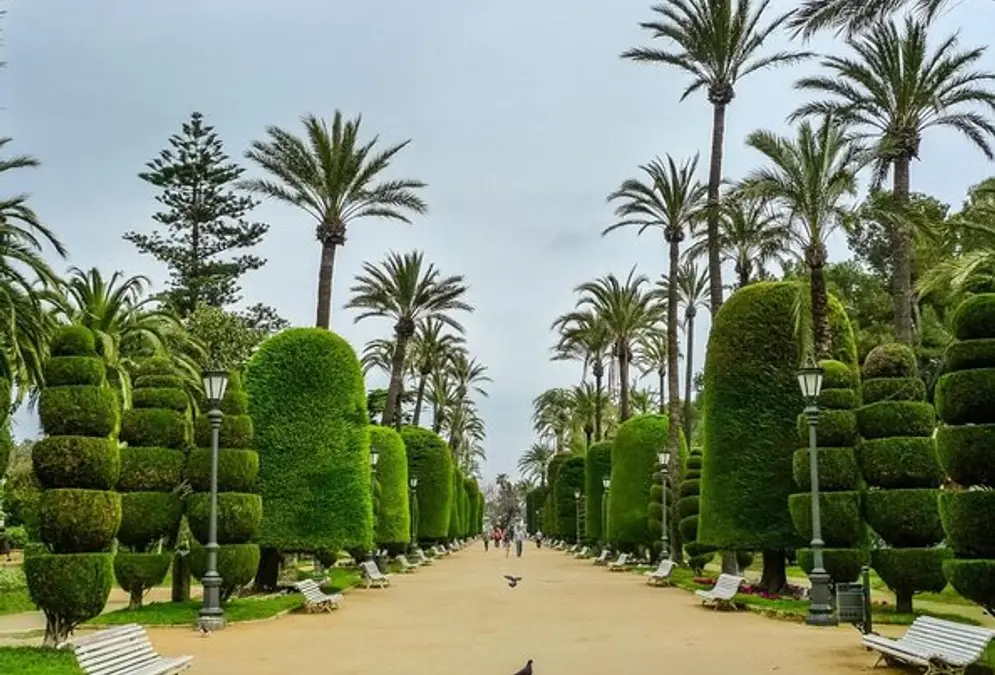
Parque Genovés
1892 Monument
Visit Parque Genovés in Cádiz: a free 3-hectare 1892 Romantic botanical garden on the seafront with 150+ exotic tree species, La Gruta waterfall and open hours.
-
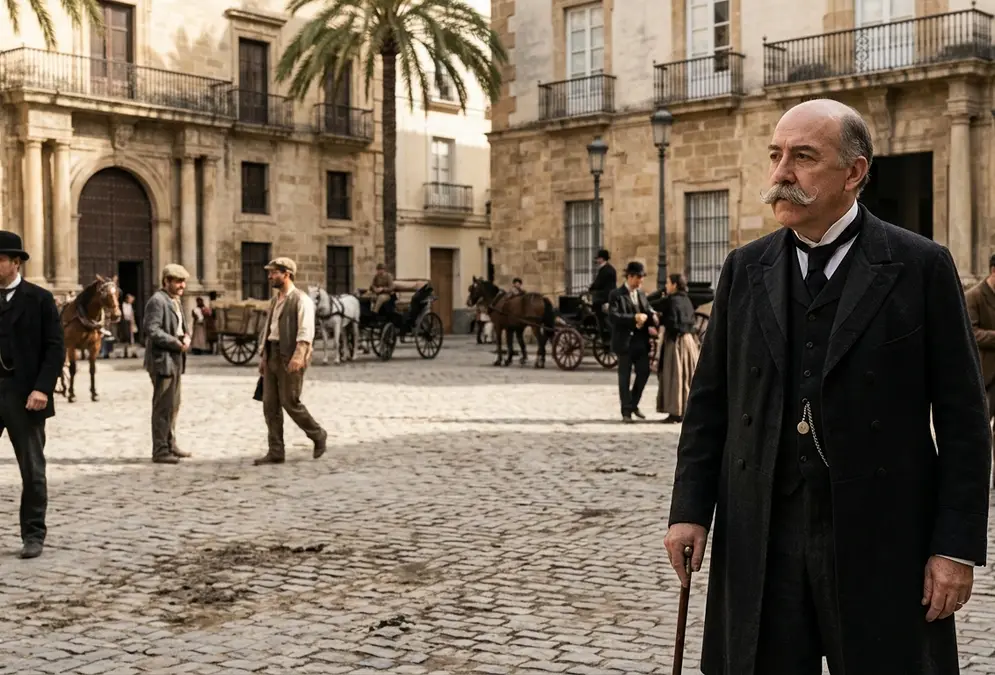
Emilio Castelar
1832–1899 Historical figure
Emilio Castelar (1832-1899), the Cádiz-born orator, historian and last president of the First Spanish Republic. Follow his life and trace across Cádiz today.
-
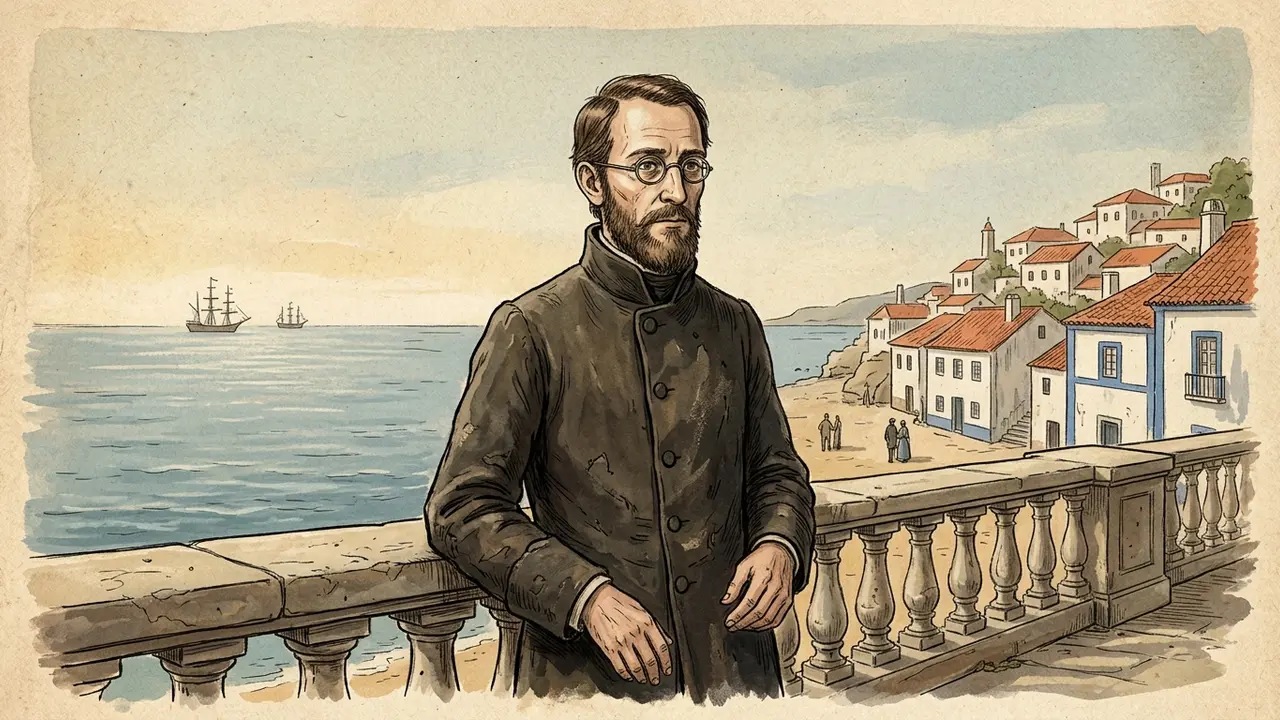
Fermín Salvochea
1842–1907 Historical figure
Fermín Salvochea (1842-1907) was the Cádiz-born anarchist who became mayor in 1873. Who he was and where his trace remains in Cádiz today: route and grave.
-
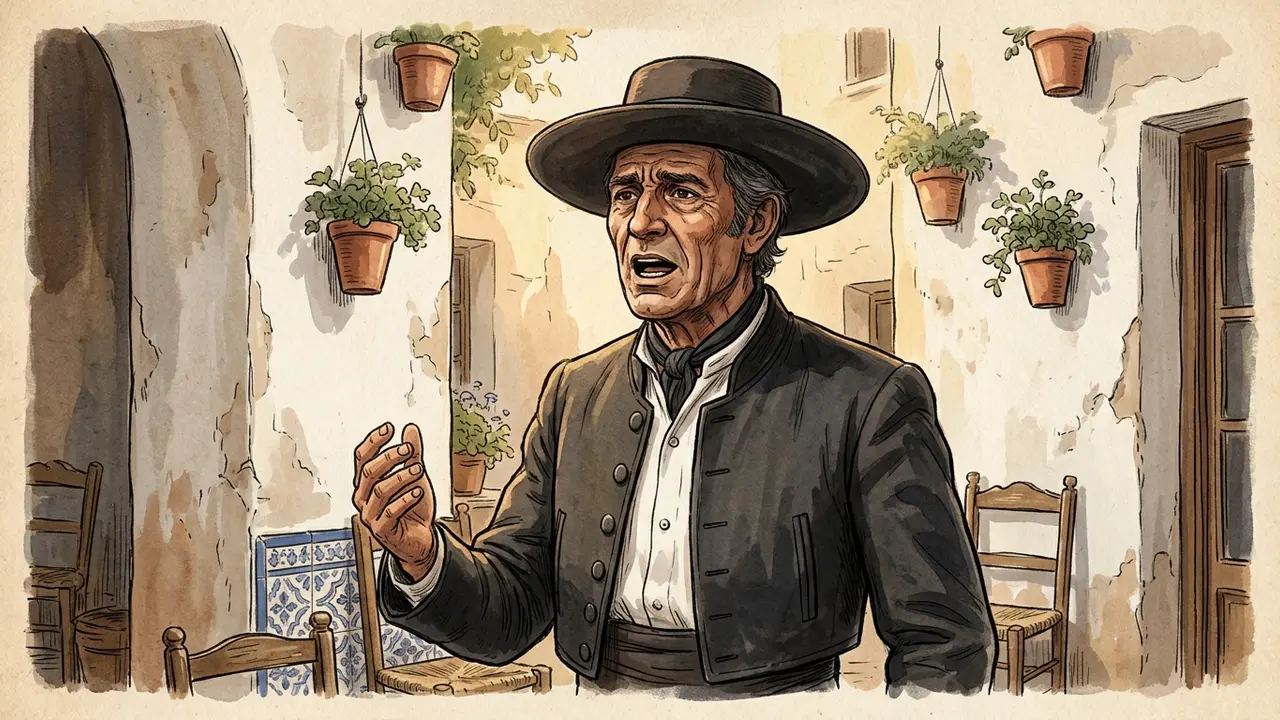
Enrique el Mellizo
1848–1906 Historical figure
Enrique el Mellizo (1848-1906), the Cádiz cantaor behind the city's malagueña and soleá styles. Find his trace in Santa María and the Gran Teatro Falla.
-
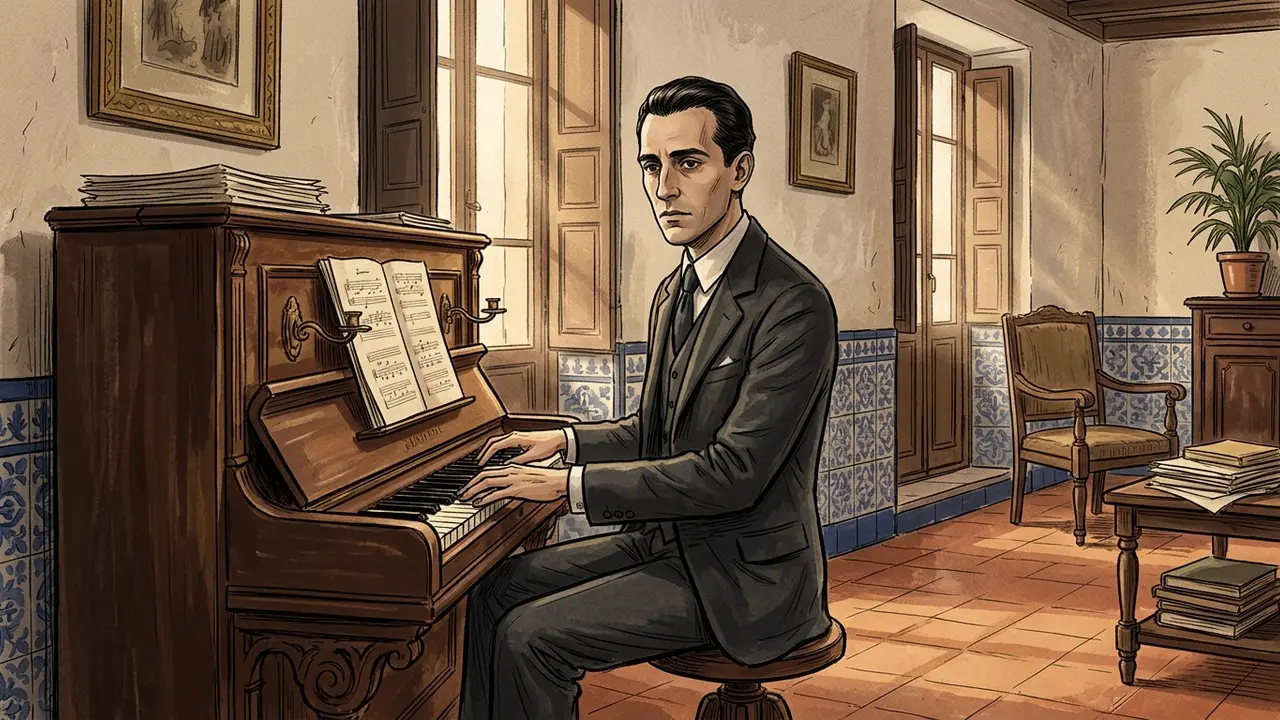
Manuel de Falla
1876–1946 Historical figure
Manuel de Falla was born in Cádiz in 1876 and rests in its cathedral crypt. See the Gran Teatro Falla, the Museo de Cádiz and the places tied to his life.
-
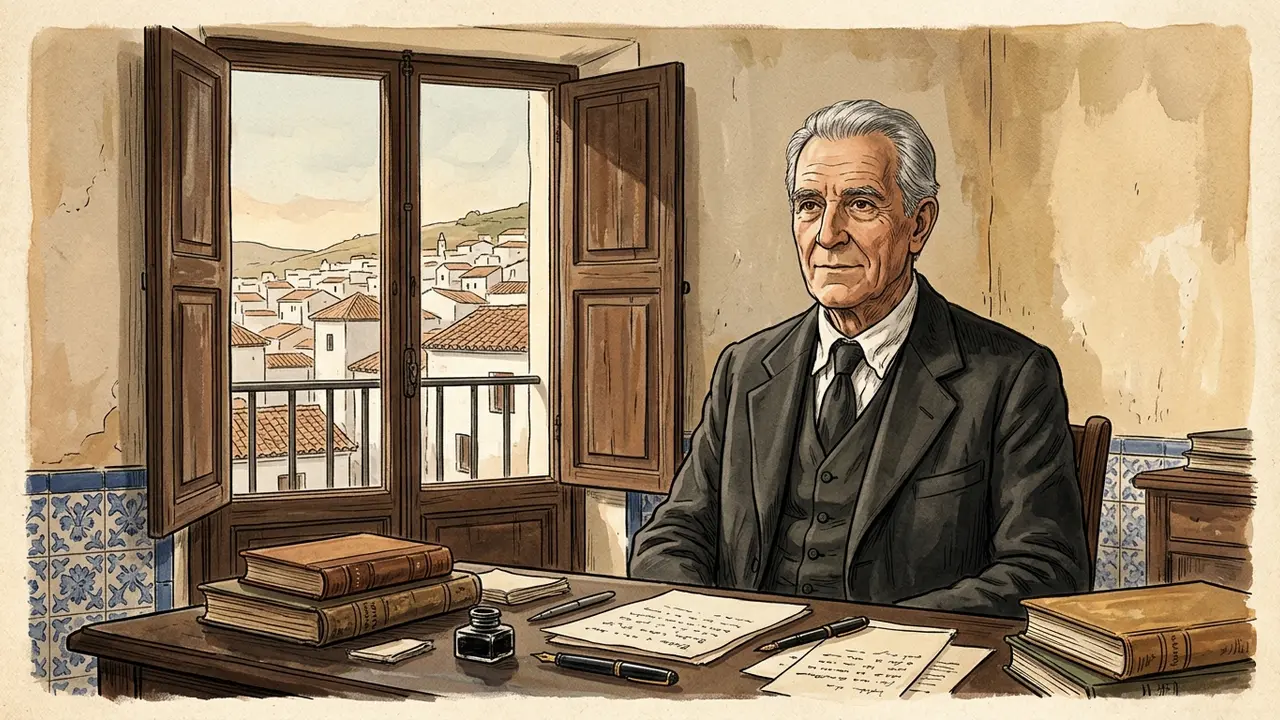
José María Pemán
1897–1981 Historical figure
José María Pemán was born in Cádiz in 1897 and rests in its cathedral crypt. A poet and playwright with a contested record, see where his trace remains.
Undated
-
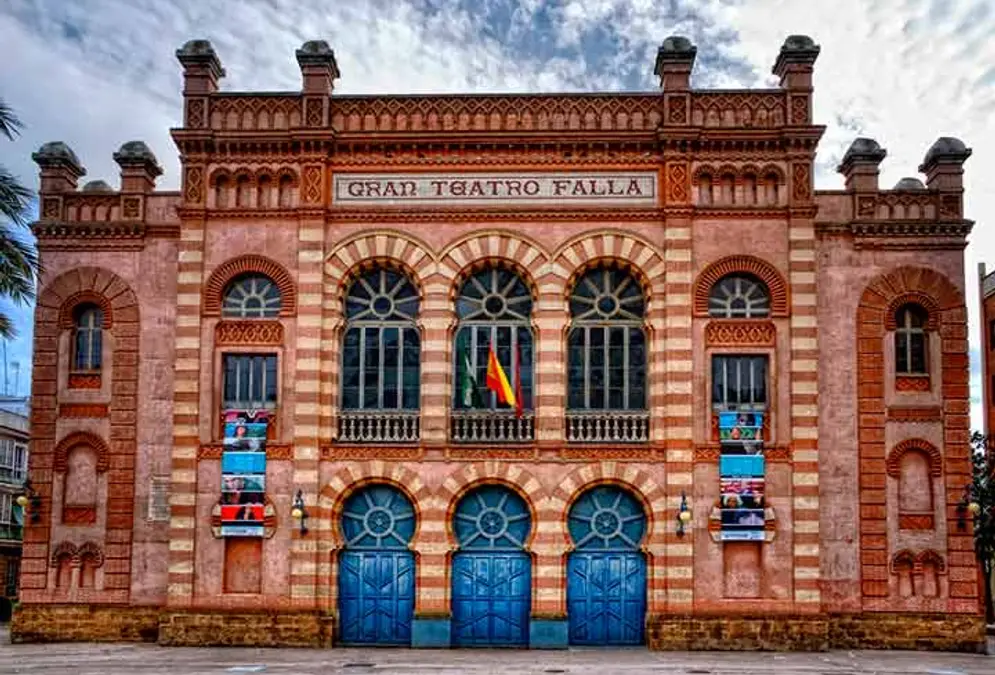
Gran Teatro Falla
Monument
Cádiz's Neo-Mudéjar municipal theatre in Plaza Fragela, built 1884-1905 and home to the February Carnival contest. Interior opens only for programmed events.
-