- Also known as
- Pemán
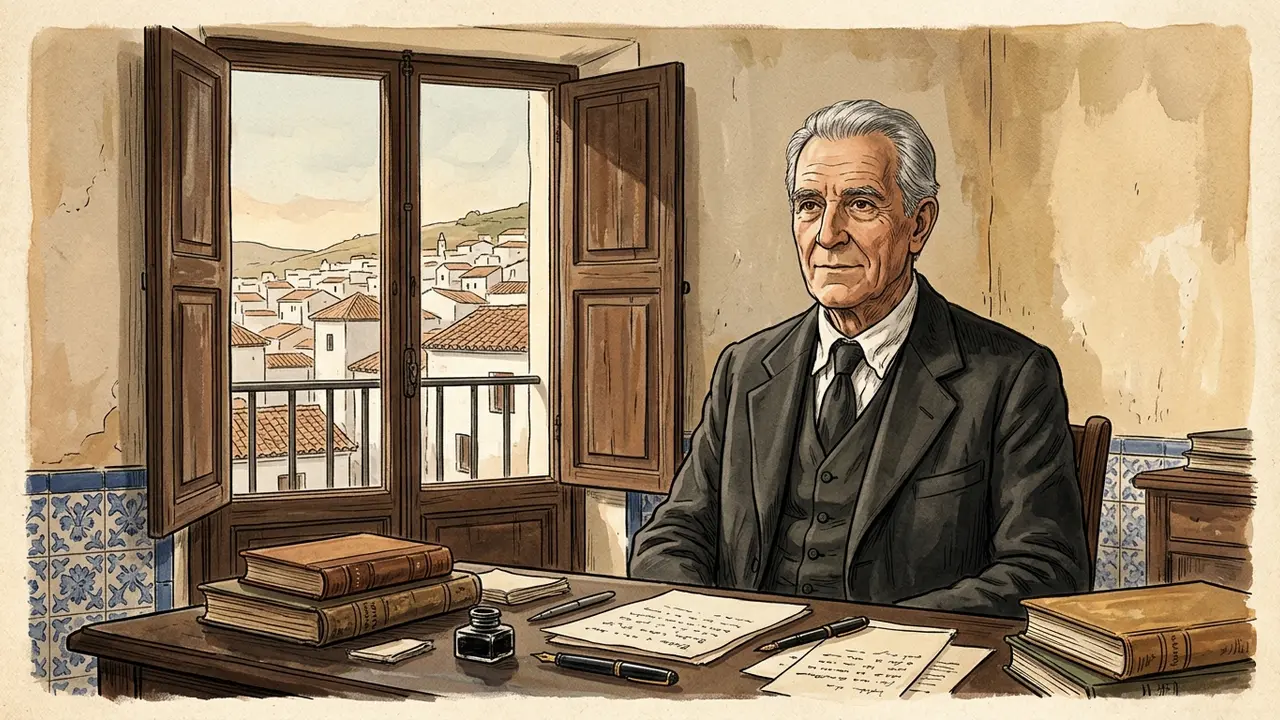
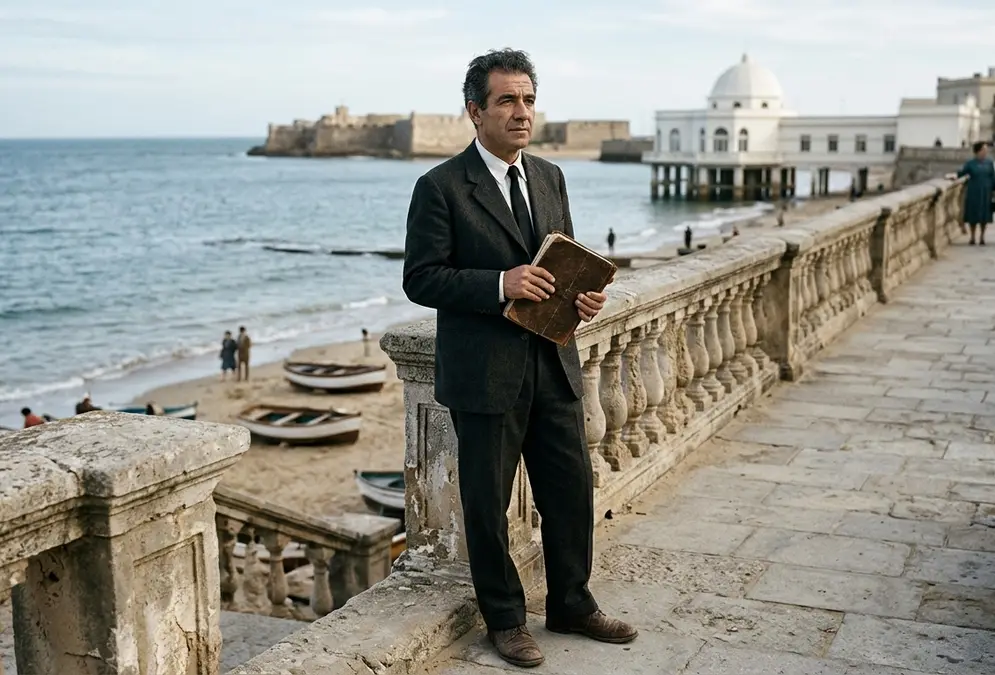
José María Pemán was born in Cádiz on 8 May 1897 and died there on 19 July 1981. He studied law in Seville, took his doctorate in Madrid in 1921, and became a poet, playwright and prolific newspaper columnist. His verse play El divino impaciente (1933) was a stage success, his column "Nieva en Cádiz" won the Premio Mariano de Cavia in 1935, and he wrote Cuando las Cortes de Cádiz (1934), a play about the 1812 assembly. He directed the Real Academia Española in two spells, 1939 to 1940 and 1944 to 1947.
His public record is contested. The Academy's own biography notes that he was politically active under Alfonso XIII, the Second Republic, the Civil War and Franco's regime. Spanish Wikipedia adds that he chaired the culture and education commission of the Francoist Junta Técnica, which purged some 16,000 teachers, and that Cádiz city council removed the bust at his birth house in 2020 and its plaque in 2021 under the Historical Memory Law.
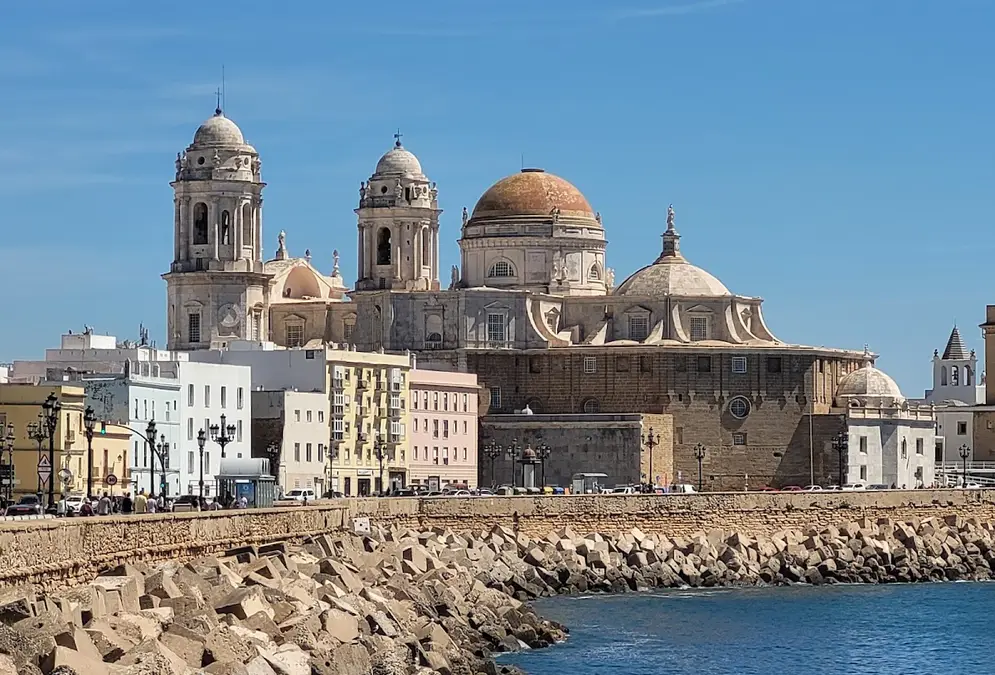
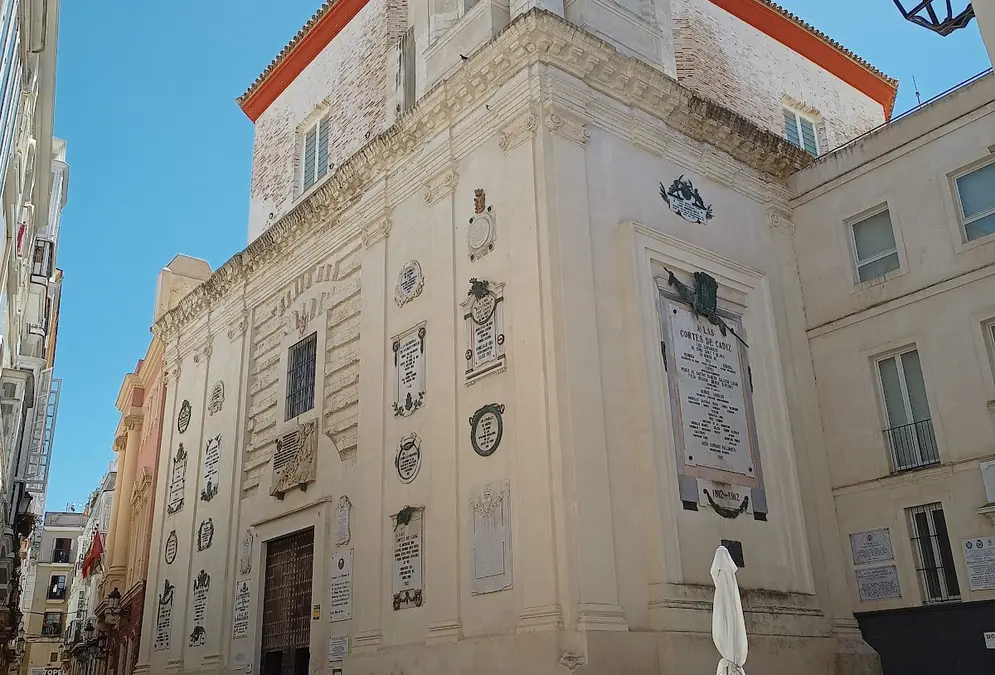
His trace in the city is easy to find. He lies in the crypt of Cádiz Cathedral, in a white marble tomb with bronze balusters holding a Golden Fleece, close to Manuel de Falla. The Gran Teatro Falla hosted a homage to him in 1939, and in 2021 the Junta de Andalucía held a tribute at the Oratorio de San Felipe Neri. For the setting of his Cortes play, visit the Museo de las Cortes de Cádiz.
Places to see
In their time
-
Modern Cádiz
1875–today
Late 19th-century Cádiz added the Gran Teatro Falla and the Carnival tradition, and the 20th century brought shipbuilding, industry and the city's tourism economy. The Carnival of Cádiz remains the best known living tradition of the modern city.
-
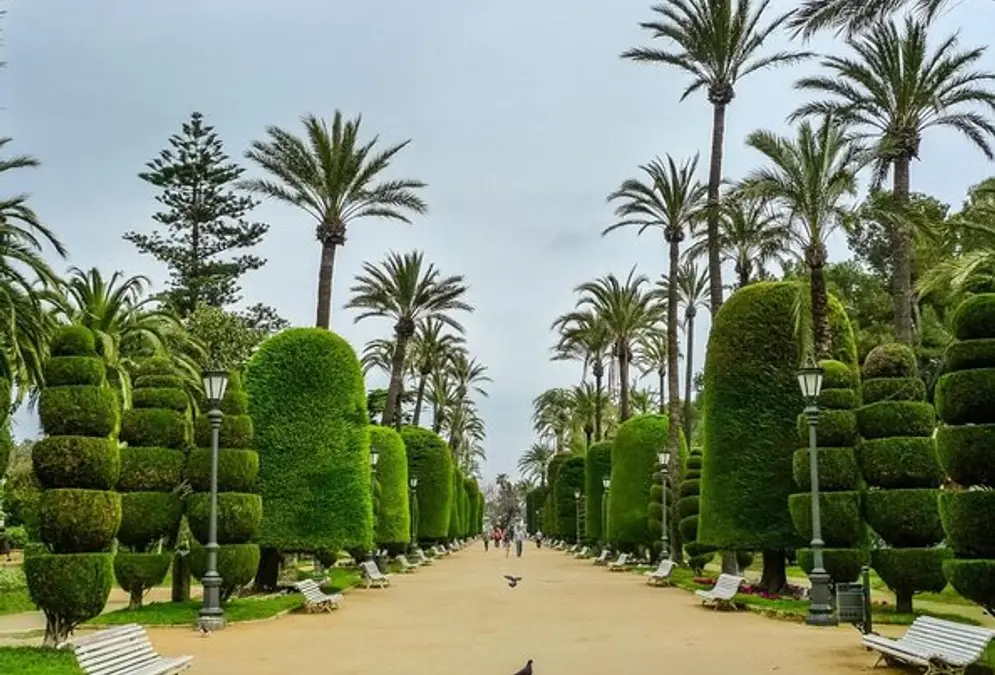
Parque Genovés
1892 Monument
Visit Parque Genovés in Cádiz: a free 3-hectare 1892 Romantic botanical garden on the seafront with 150+ exotic tree species, La Gruta waterfall and open hours.
-
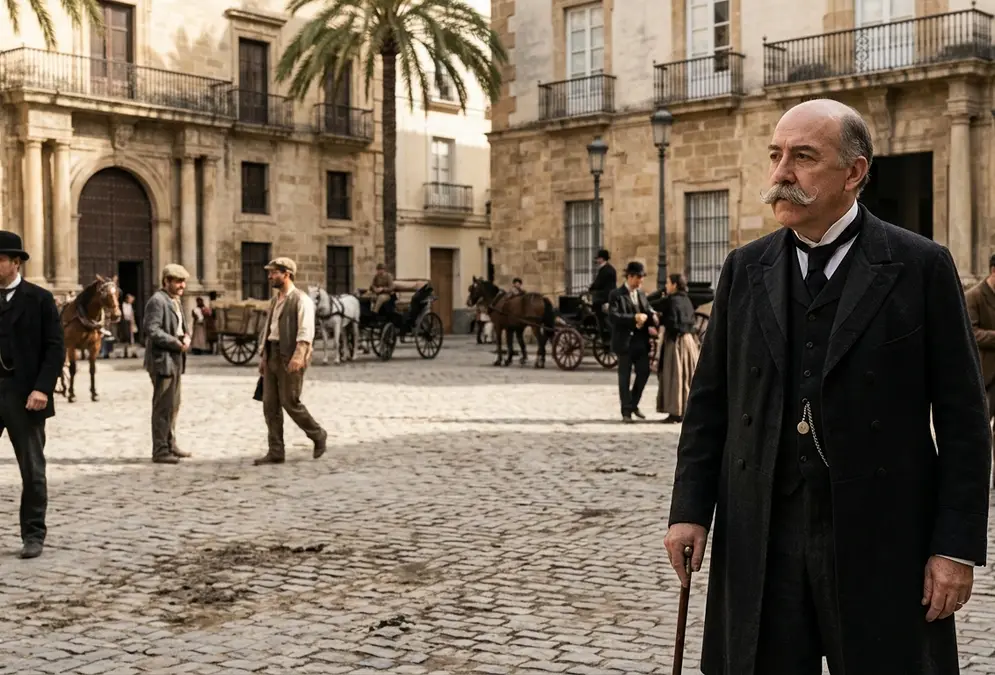
Emilio Castelar
1832–1899 Historical figure
Emilio Castelar (1832-1899), the Cádiz-born orator, historian and last president of the First Spanish Republic. Follow his life and trace across Cádiz today.
-
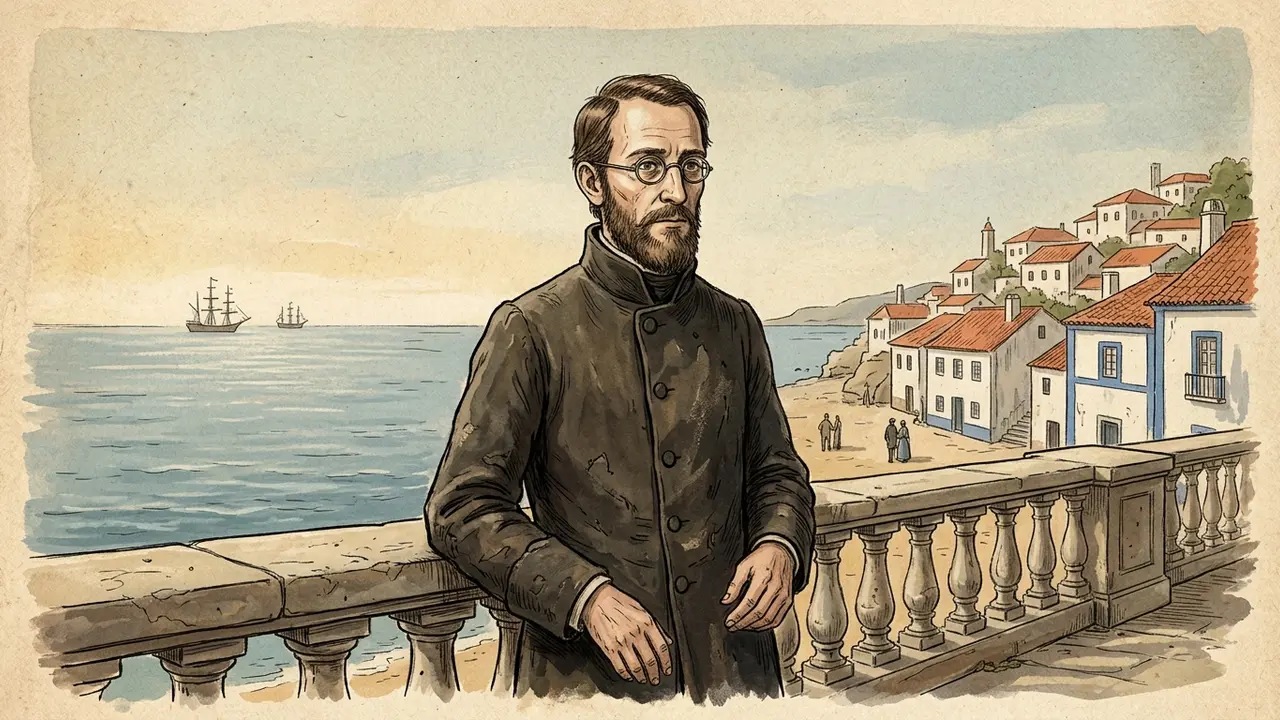
Fermín Salvochea
1842–1907 Historical figure
Fermín Salvochea (1842-1907) was the Cádiz-born anarchist who became mayor in 1873. Who he was and where his trace remains in Cádiz today: route and grave.
-
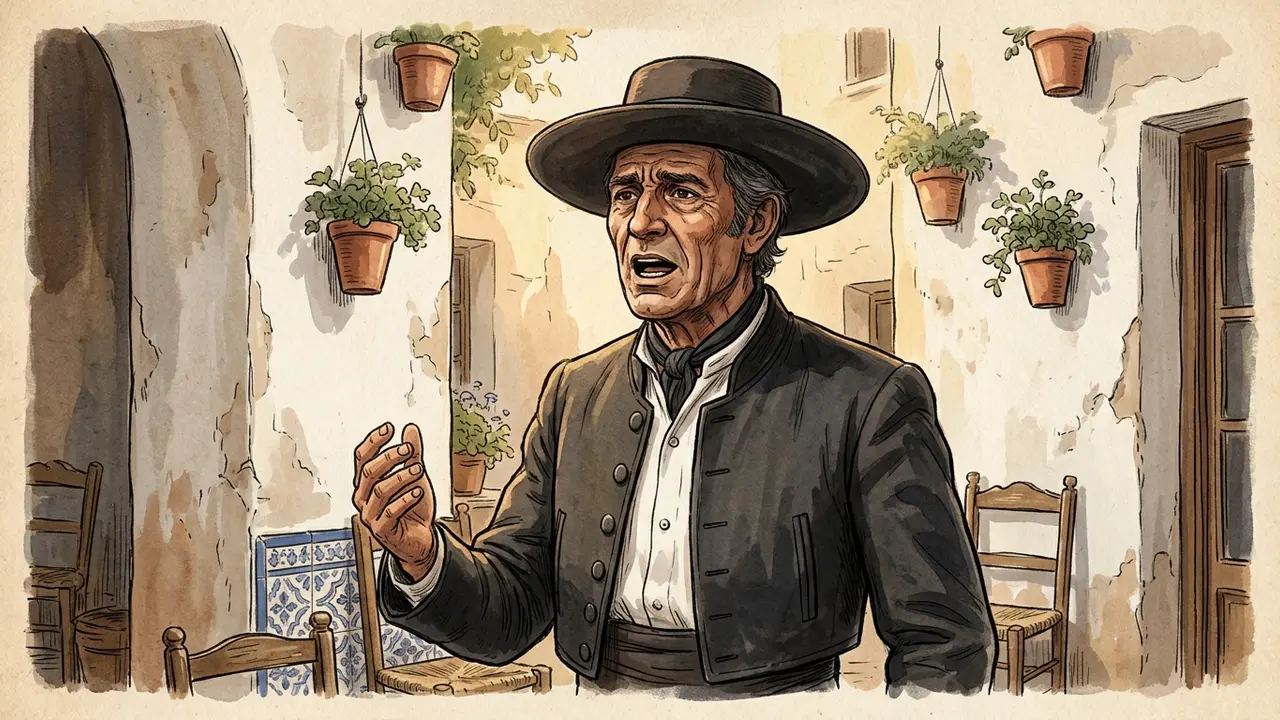
Enrique el Mellizo
1848–1906 Historical figure
Enrique el Mellizo (1848-1906), the Cádiz cantaor behind the city's malagueña and soleá styles. Find his trace in Santa María and the Gran Teatro Falla.
-
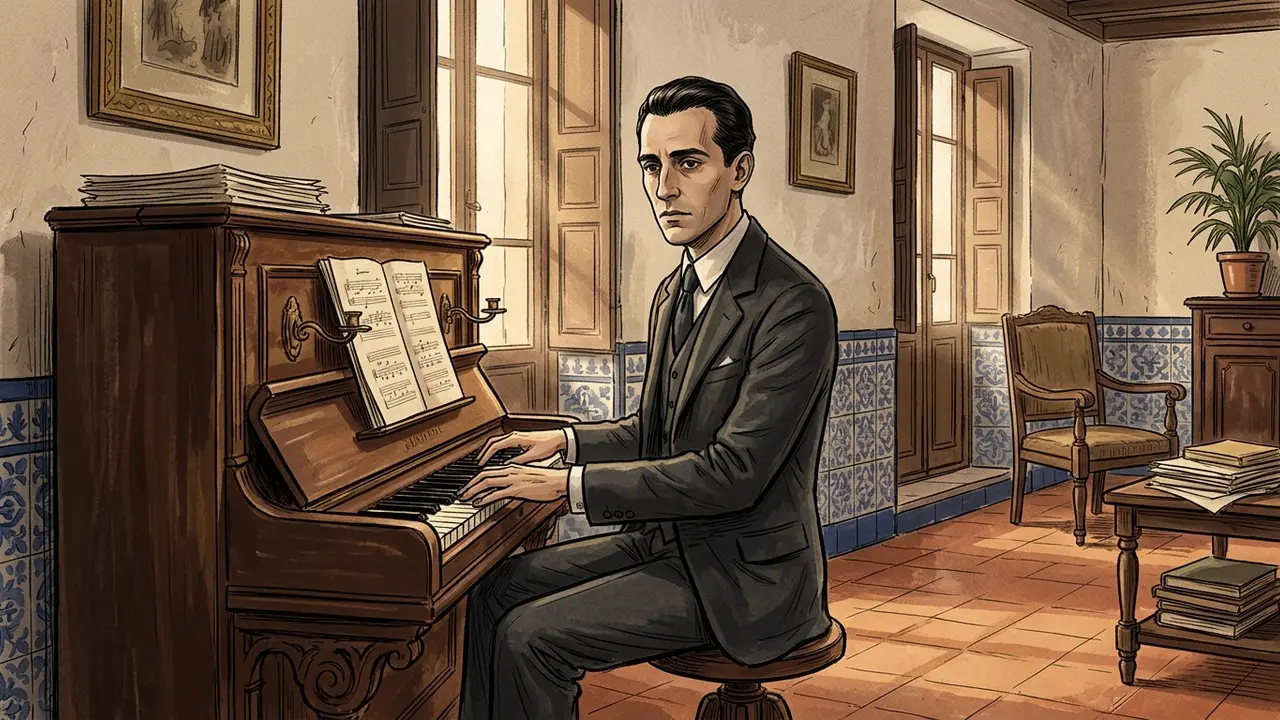
Manuel de Falla
1876–1946 Historical figure
Manuel de Falla was born in Cádiz in 1876 and rests in its cathedral crypt. See the Gran Teatro Falla, the Museo de Cádiz and the places tied to his life.
-
Paco Alba
1918–1976 Historical figure
Paco Alba (1918-1976), creator of the Cádiz Carnival comparsa and composer of classic coplas at the Gran Teatro Falla. Discover his life and legacy in Cádiz.
Undated
-
Gran Teatro Falla
Monument
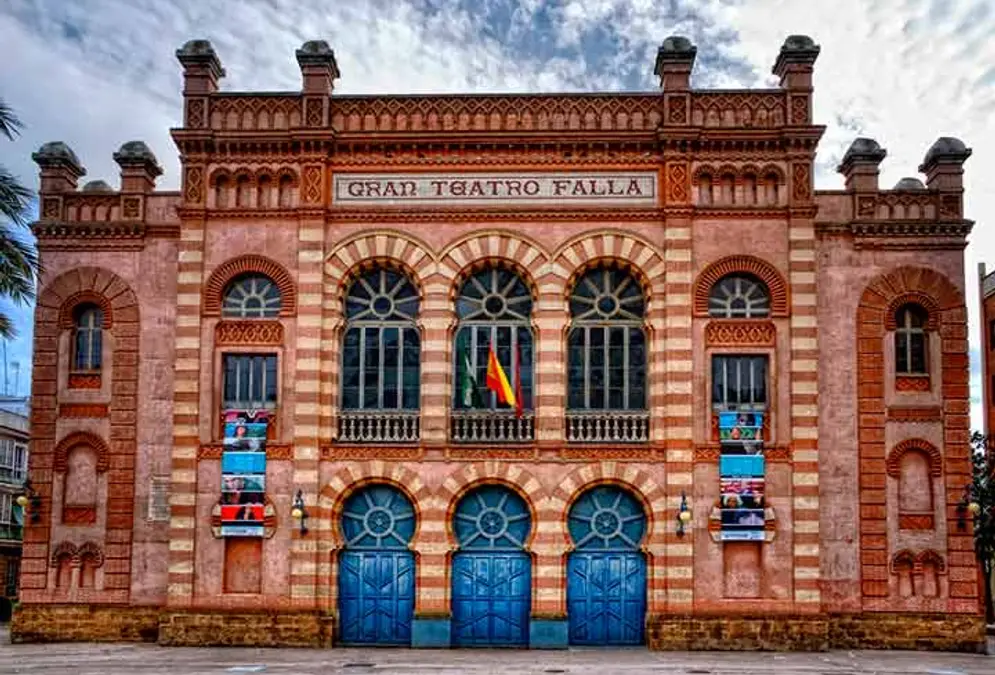
Cádiz's Neo-Mudéjar municipal theatre in Plaza Fragela, built 1884-1905 and home to the February Carnival contest. Interior opens only for programmed events.
-