- Also known as
- Castelar
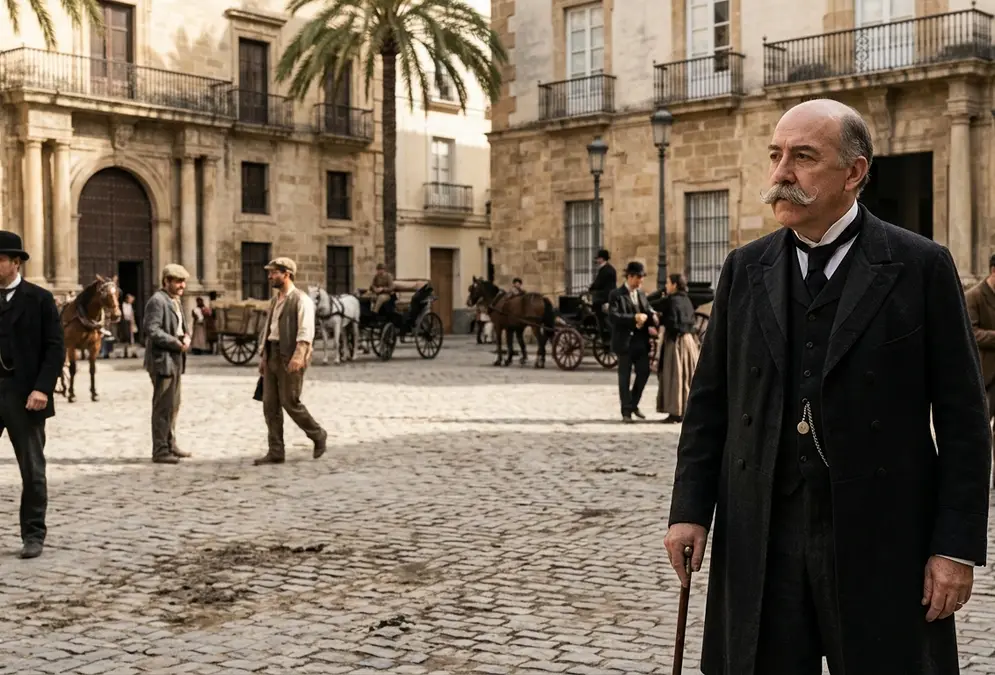
Emilio Castelar (Emilio Castelar y Ripoll) was born in Cádiz on 7 September 1832 to Manuel Castelar and María Antonia Ripoll. After Ferdinand VII condemned his father to death as an afrancesado, Manuel spent seven years exiled in Gibraltar. Emilio studied Law and Philosophy in Madrid, earning his doctorate in 1853–1854 and the chair of History of Spain in 1857.
His maiden speech at a Madrid rally on 25 September 1854 made his name as an orator. He founded La Democracia in 1864, lost his chair in 1865 after criticising Isabella II in "El rasgo", and fled to France under a death sentence after the 1866 San Gil uprising. Returning in 1868, he championed freedom of worship in the 1869 Constituent Cortes. Under the First Spanish Republic in 1873 he served as Minister of State, abolishing slavery in Puerto Rico, then Congress President, and from 7 September 1873 as last President of the Executive Power until 2–3 January 1874, when General Pavía dissolved the Cortes. Later elected to the Real Academia Española and Real Academia de la Historia, he died in San Pedro del Pinatar on 25 May 1899.
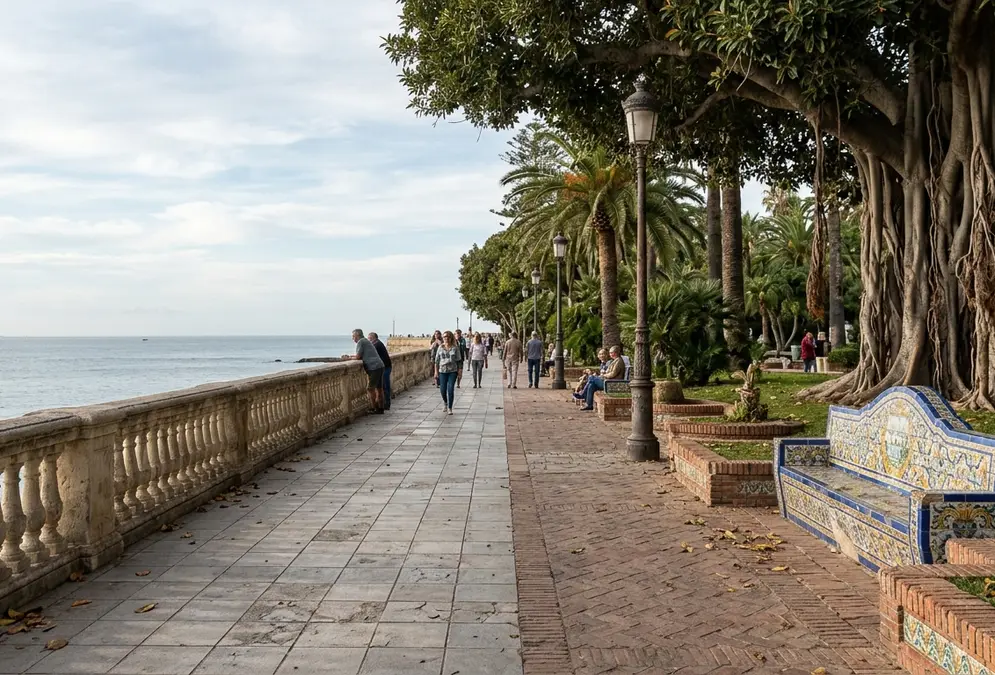
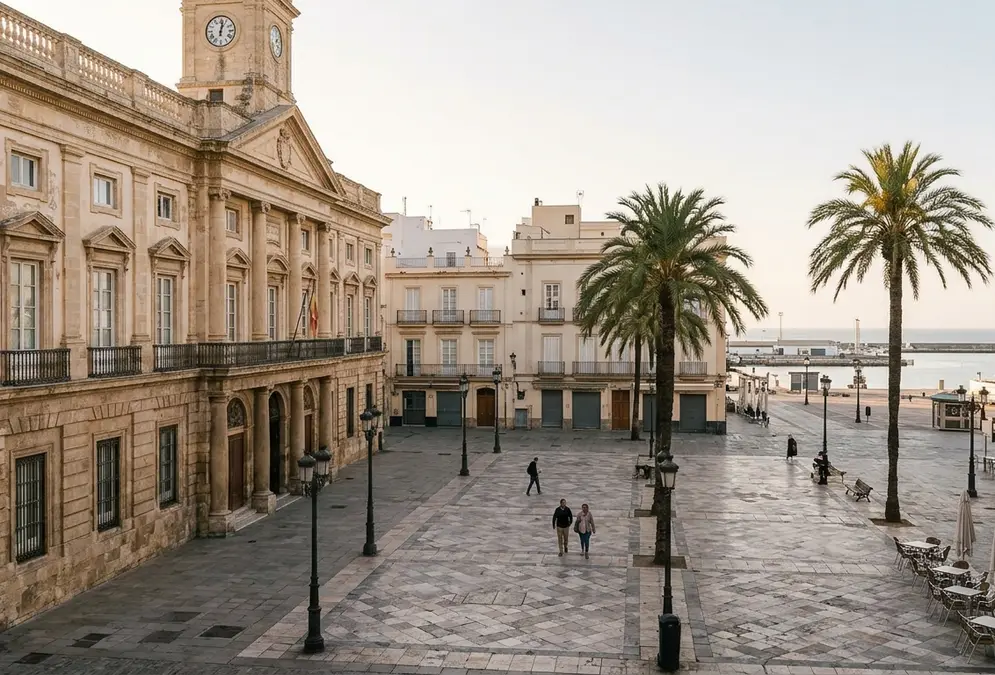
In Cádiz, his monument stands on Plaza de Candelaria near the Baluarte de la Candelaria on the Alameda and northern walls walk. On Plaza de San Juan de Dios, the 1870 Ayuntamiento Council Hall features busts of illustrious gaditanos, while the Oratorio de San Felipe Neri and Museo de las Cortes de Cádiz document the liberal city of his birth.
Places to see
In their time
-
Modern Cádiz
1875–today
Late 19th-century Cádiz added the Gran Teatro Falla and the Carnival tradition, and the 20th century brought shipbuilding, industry and the city's tourism economy. The Carnival of Cádiz remains the best known living tradition of the modern city.
-
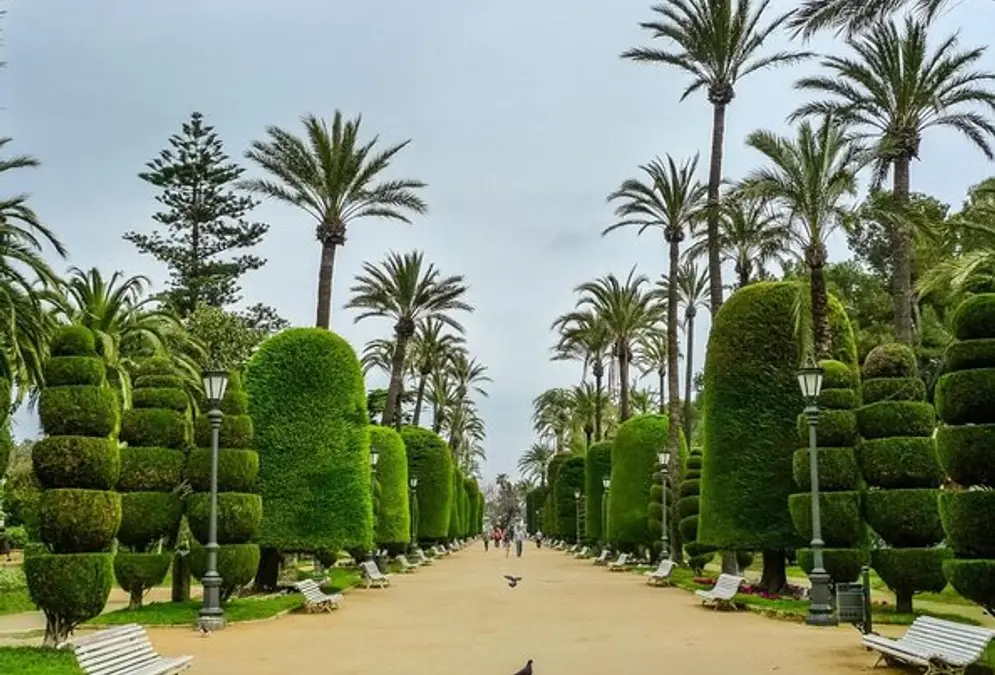
Parque Genovés
1892 Monument
Visit Parque Genovés in Cádiz: a free 3-hectare 1892 Romantic botanical garden on the seafront with 150+ exotic tree species, La Gruta waterfall and open hours.
-
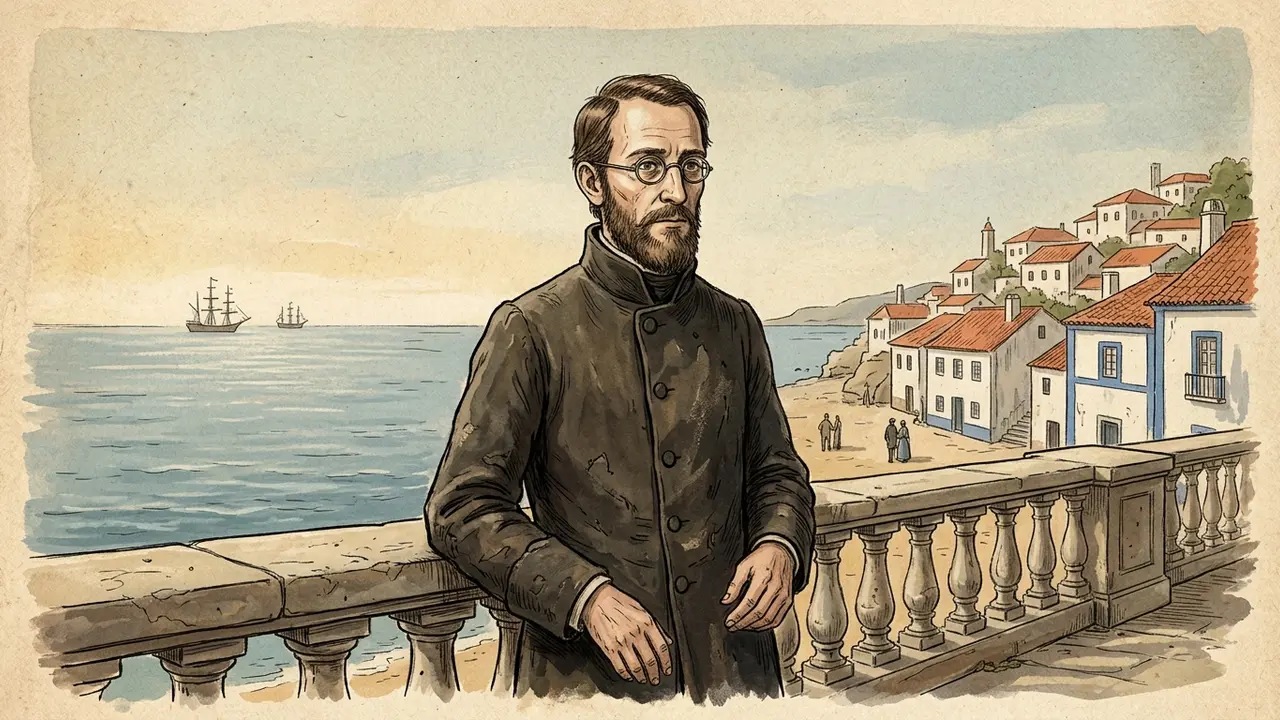
Fermín Salvochea
1842–1907 Historical figure
Fermín Salvochea (1842-1907) was the Cádiz-born anarchist who became mayor in 1873. Who he was and where his trace remains in Cádiz today: route and grave.
-
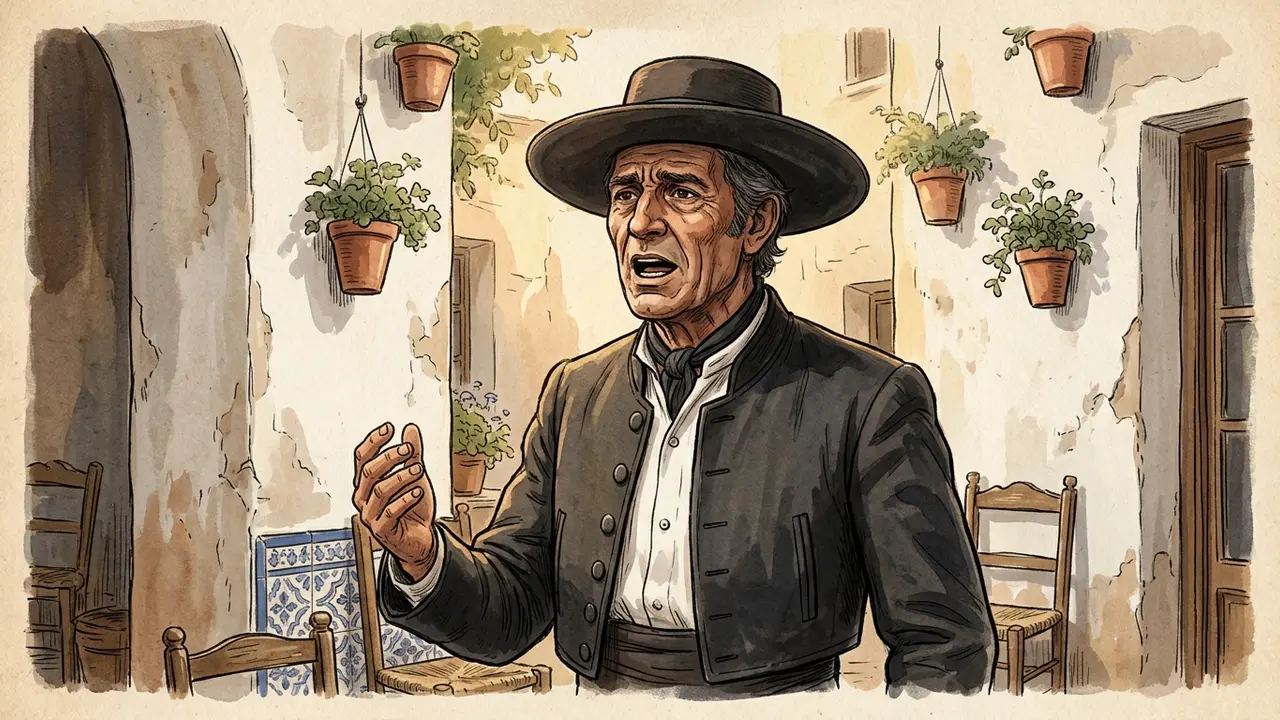
Enrique el Mellizo
1848–1906 Historical figure
Enrique el Mellizo (1848-1906), the Cádiz cantaor behind the city's malagueña and soleá styles. Find his trace in Santa María and the Gran Teatro Falla.
-
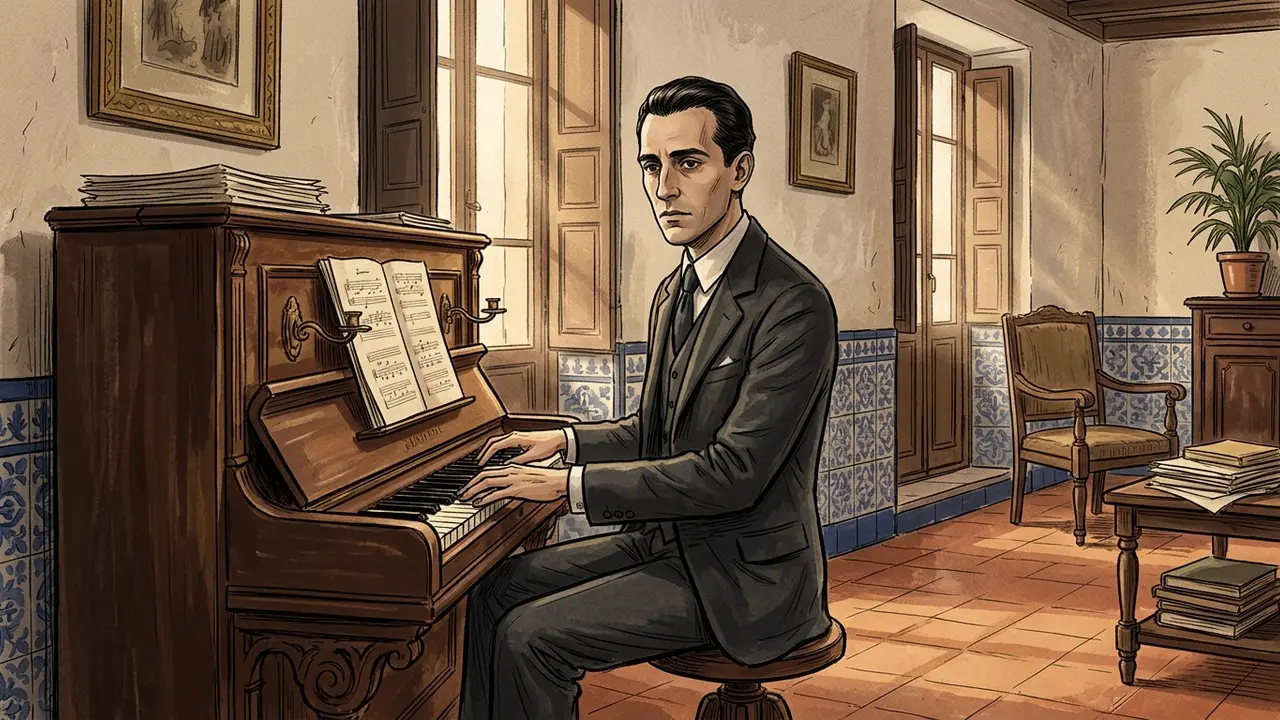
Manuel de Falla
1876–1946 Historical figure
Manuel de Falla was born in Cádiz in 1876 and rests in its cathedral crypt. See the Gran Teatro Falla, the Museo de Cádiz and the places tied to his life.
-
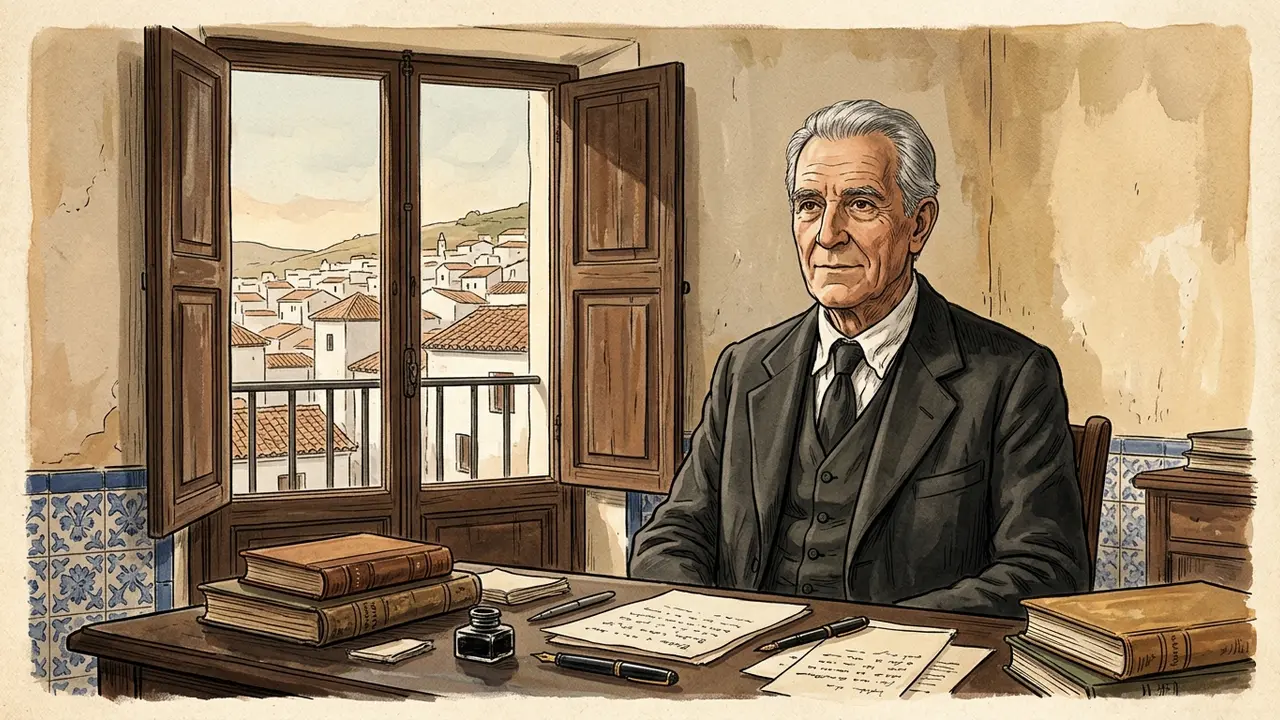
José María Pemán
1897–1981 Historical figure
José María Pemán was born in Cádiz in 1897 and rests in its cathedral crypt. A poet and playwright with a contested record, see where his trace remains.
-
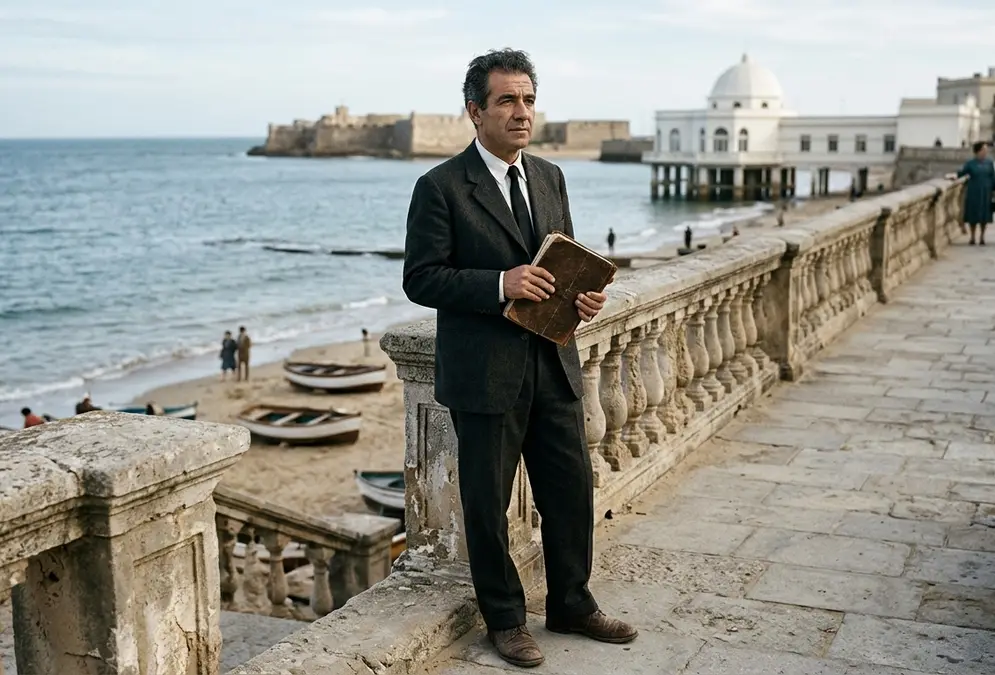
Paco Alba
1918–1976 Historical figure
Paco Alba (1918-1976), creator of the Cádiz Carnival comparsa and composer of classic coplas at the Gran Teatro Falla. Discover his life and legacy in Cádiz.
Undated
-
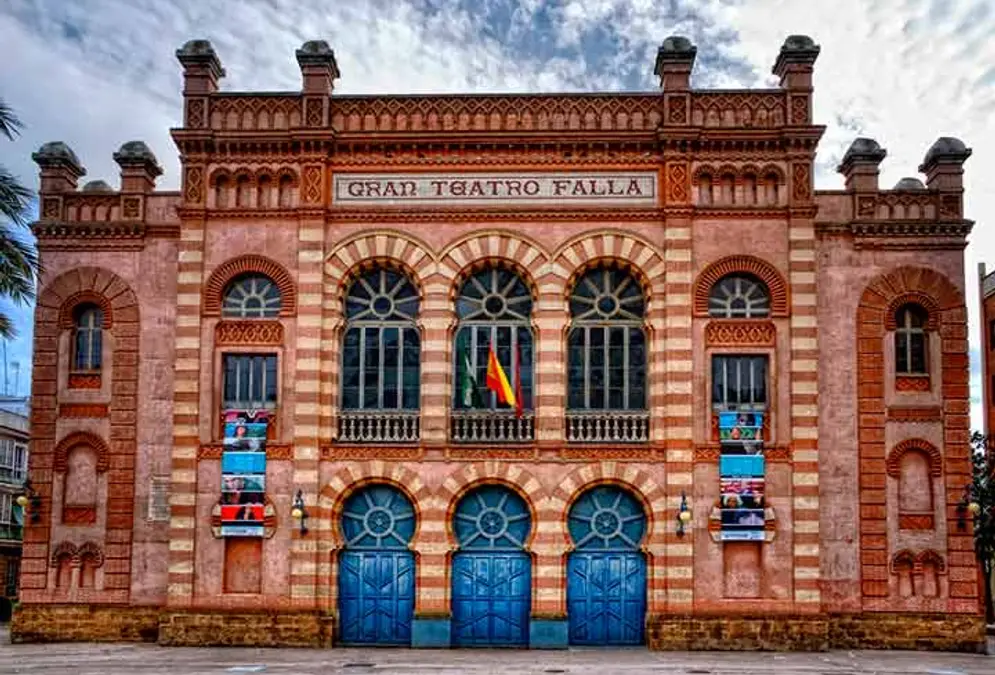
Gran Teatro Falla
Monument
Cádiz's Neo-Mudéjar municipal theatre in Plaza Fragela, built 1884-1905 and home to the February Carnival contest. Interior opens only for programmed events.
-