- Also known as
- Celestino Mutis, Mutis
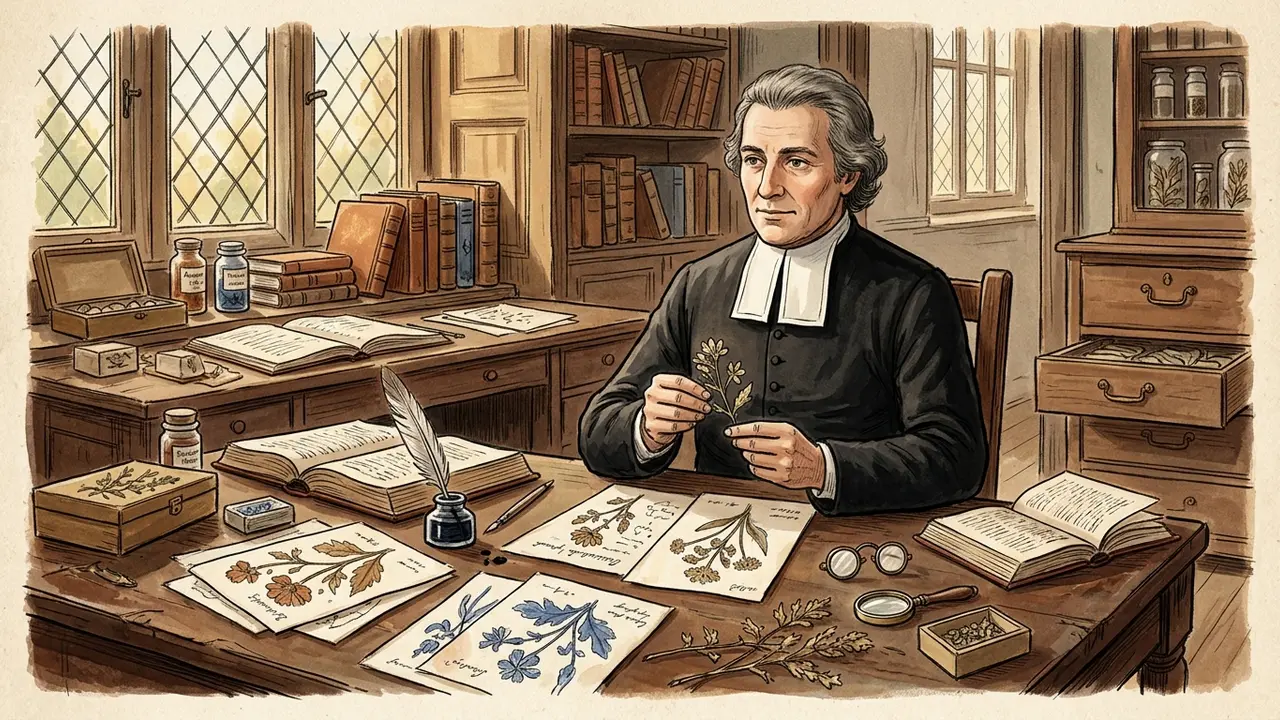
José Celestino Mutis was born in Cádiz on 6 April 1732. He studied medicine and surgery at the surgery college of his home city, finished his degree in Seville, then spent four years at the Hospital de Cádiz. Jorge Juan taught him astronomy, and Domingo Castillejo and Miguel Barnades taught him botany.
In 1760 he sailed for America as physician to the new viceroy of New Granada, Pedro Messía de la Cerda, and reached Santafé de Bogotá in February 1761. He spent the last 48 years of his life there. He became a priest, introduced the Copernican system in a lecture at the Colegio del Rosario, and spent about 25 years on the cinchona research behind El arcano de la quina, his one finished work. In 1783 he was named director of the Royal Botanical Expedition of New Granada, which gathered 5,393 plates of the region's plants. Alexander von Humboldt stayed with him for two months in 1801. Much of his work stayed unpublished, so he is remembered above all as a promoter of science.
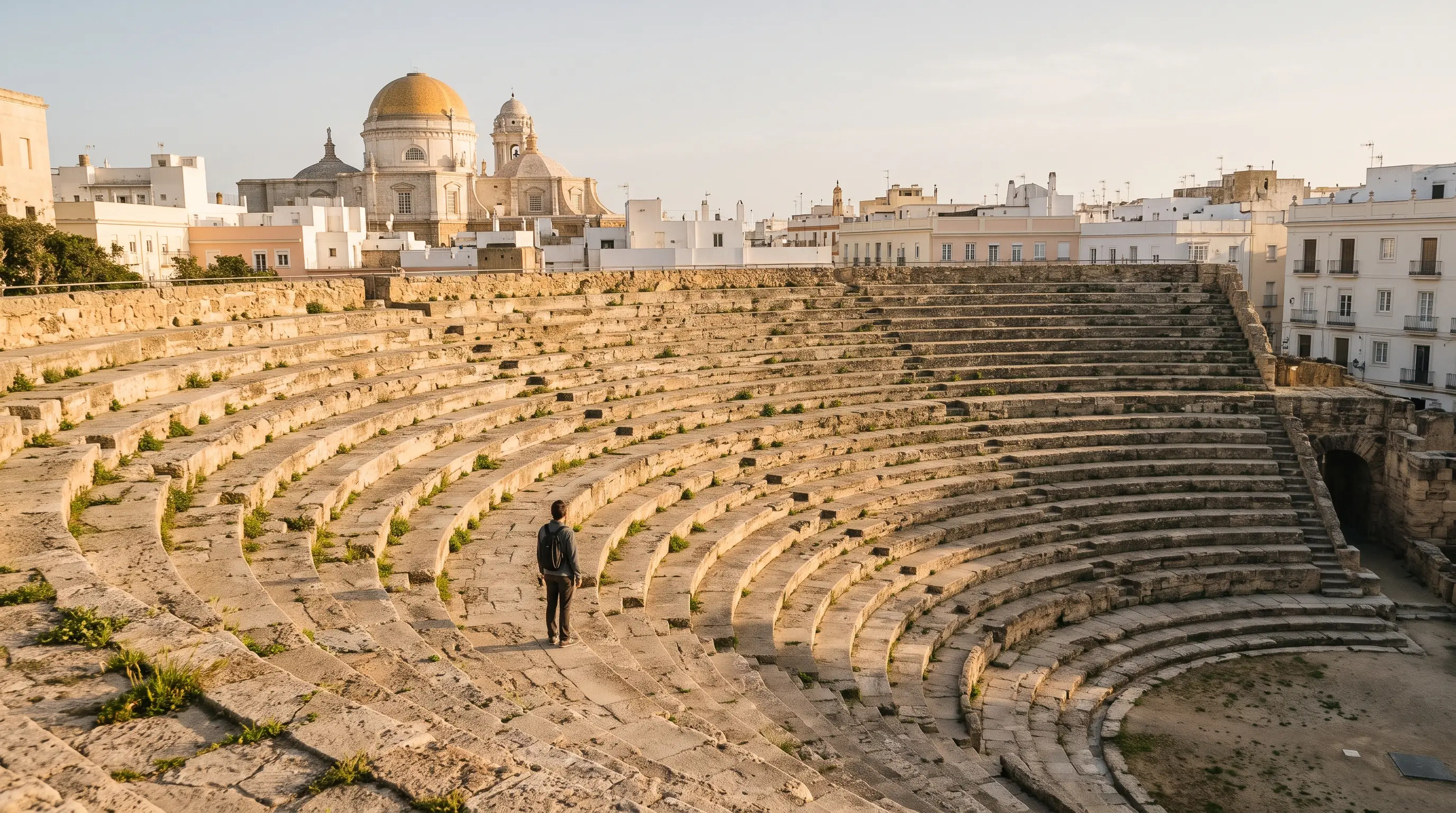
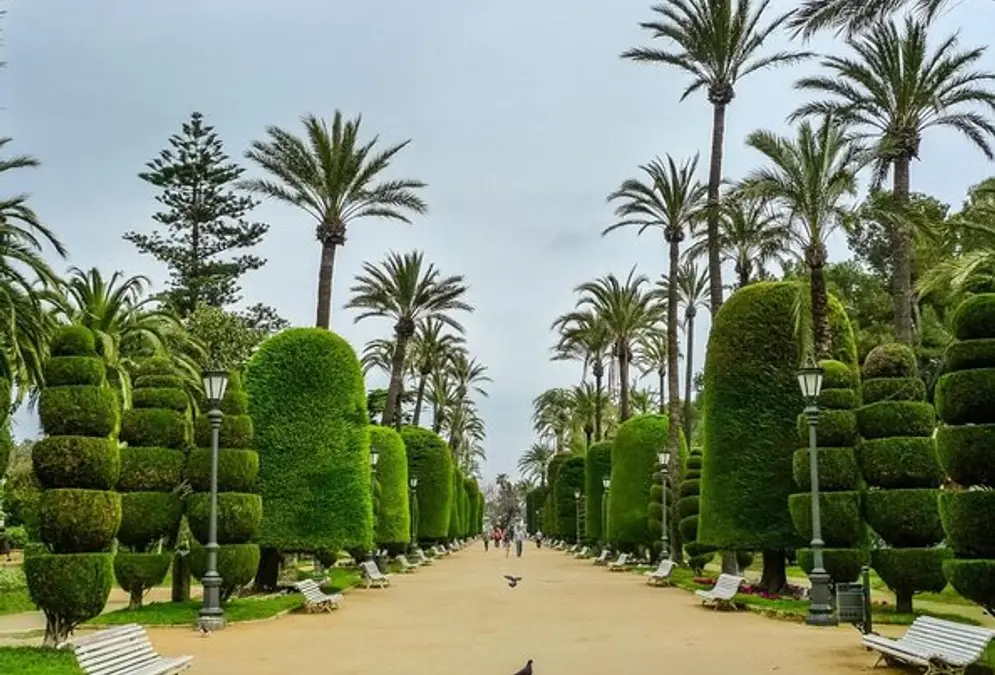
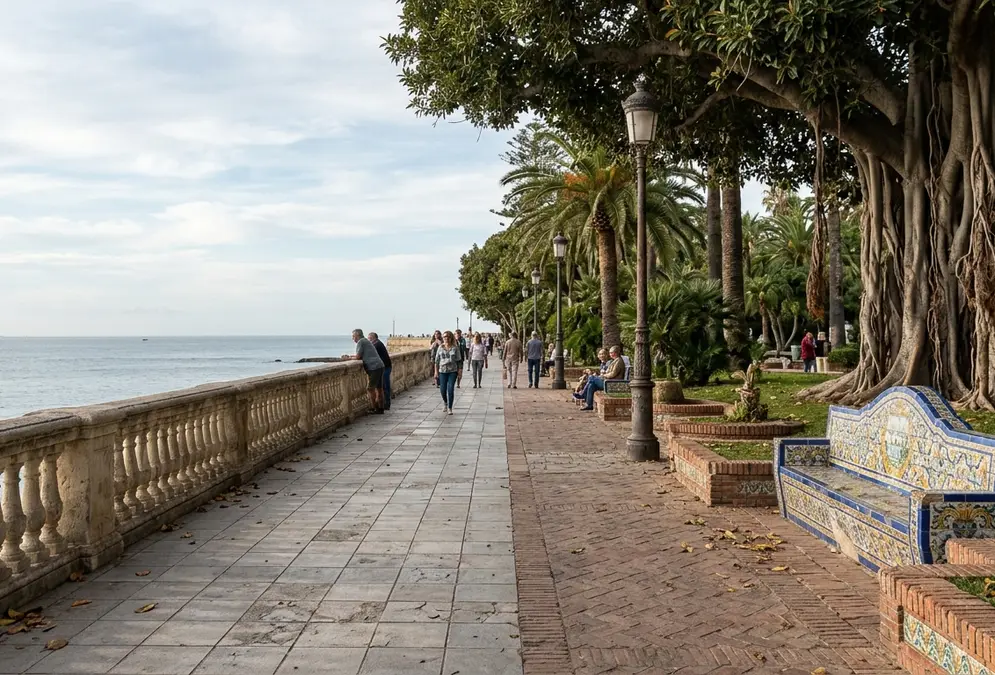
He died in Bogotá in 1808. Back in Cádiz, a street, a municipal library and a park carry his name. To set him in his home city, follow the Cádiz old town walk and browse things to do in Cádiz.
Places to see
In their time
-
Atlantic Trade & the Golden Age
1492–1808
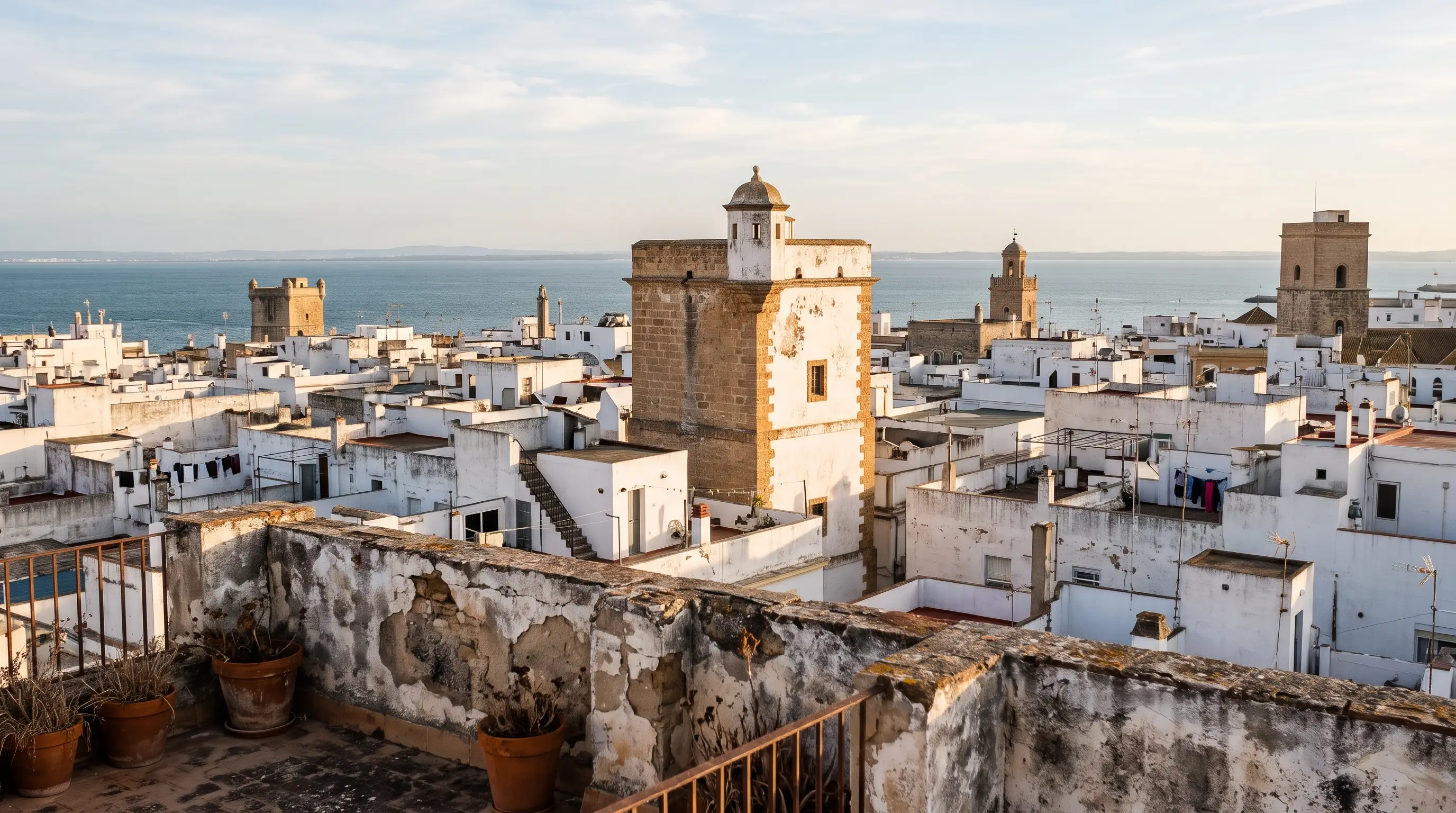
After 1492 Cádiz grew as a port for the Americas, sacked by the English in 1596 and fortified in response. In 1717 the Casa de Contratación moved here from Seville, and merchant families built the watchtower houses, the cathedral and the baroque oratories of the old town.
-
José Cadalso
1741–1782 Historical figure
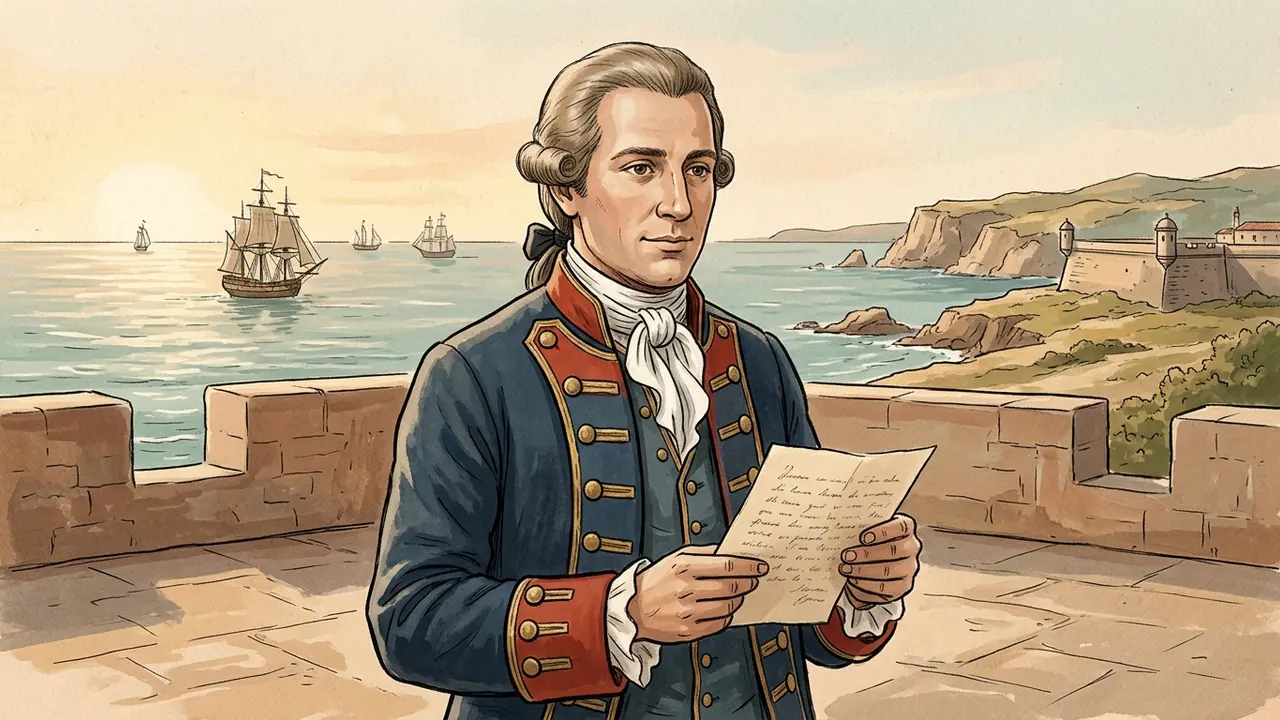
José Cadalso (1741-1782), Enlightenment writer and soldier born in Cádiz, author of Cartas marruecas. Read his story and find where he is buried today.
Undated
-
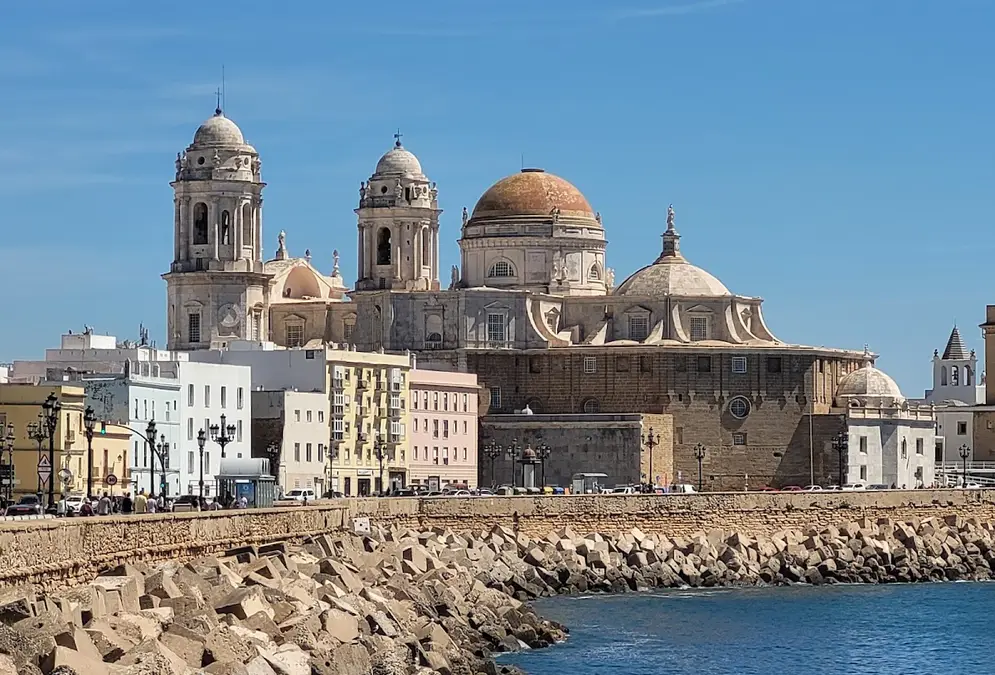
Cádiz Cathedral
Monument
Cádiz Cathedral's one ticket covers the crypt, the Clock Tower and the Cathedral Museum with its silver treasury. Check the official site for current hours.
-
Castillo de San Sebastián
Monument
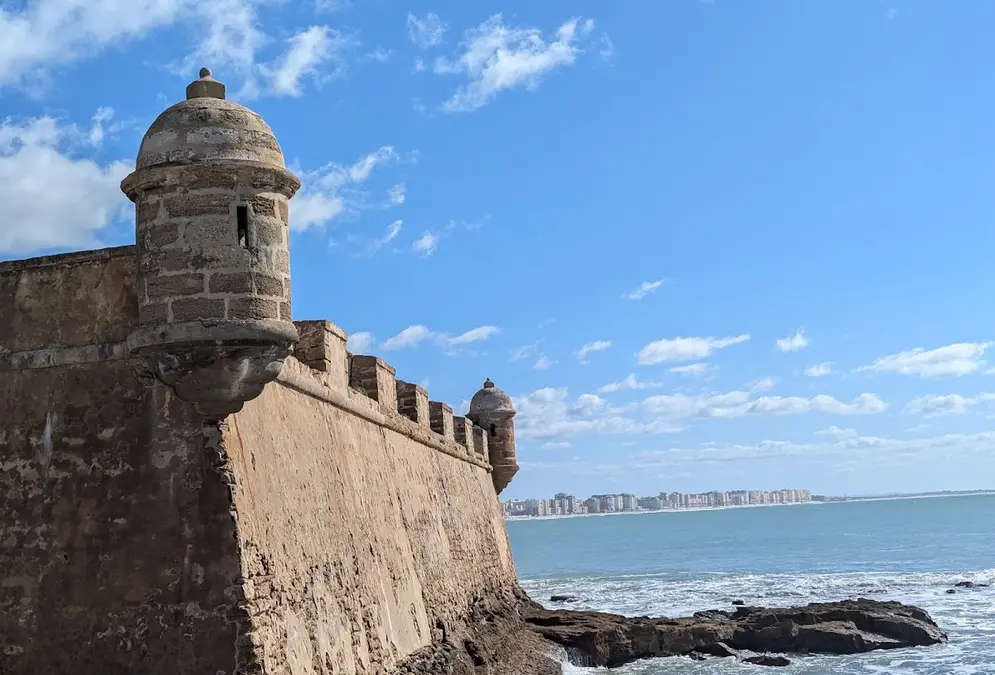
Castillo de San Sebastián is Cádiz's nine-sided sea fortress at the end of La Caleta. Its history, the 2024 reopening and what to check before you walk out.
-
Castillo de Santa Catalina
Monument
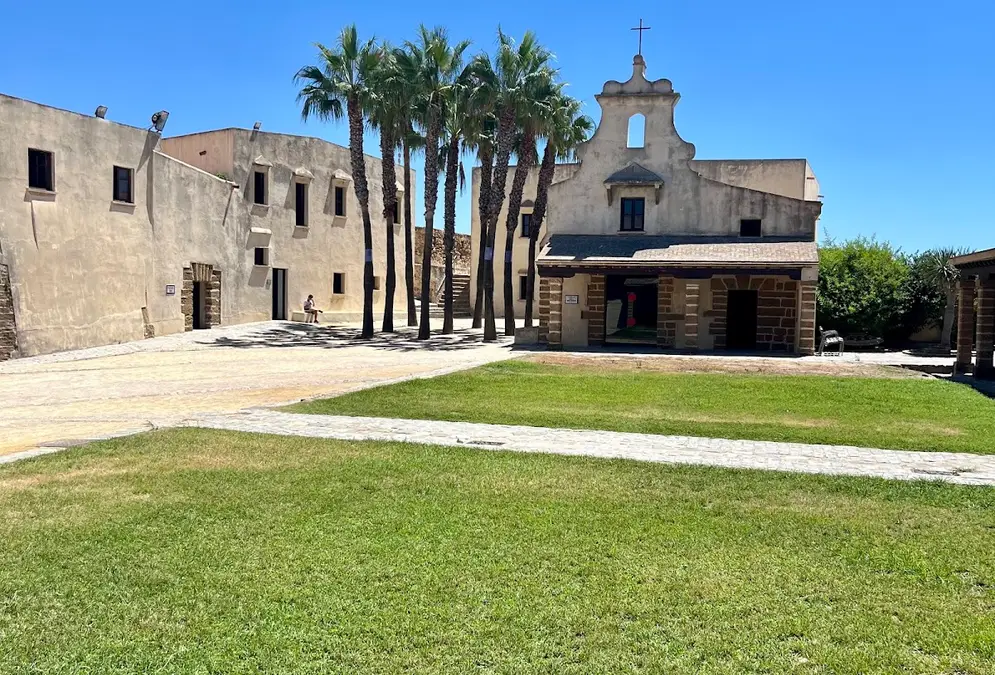
Star-shaped sea fortress at the north end of La Caleta, built after the 1596 Anglo-Dutch sack. Free entry, exhibition rooms and a past as a military prison.
-
Oratorio de la Santa Cueva
Monument
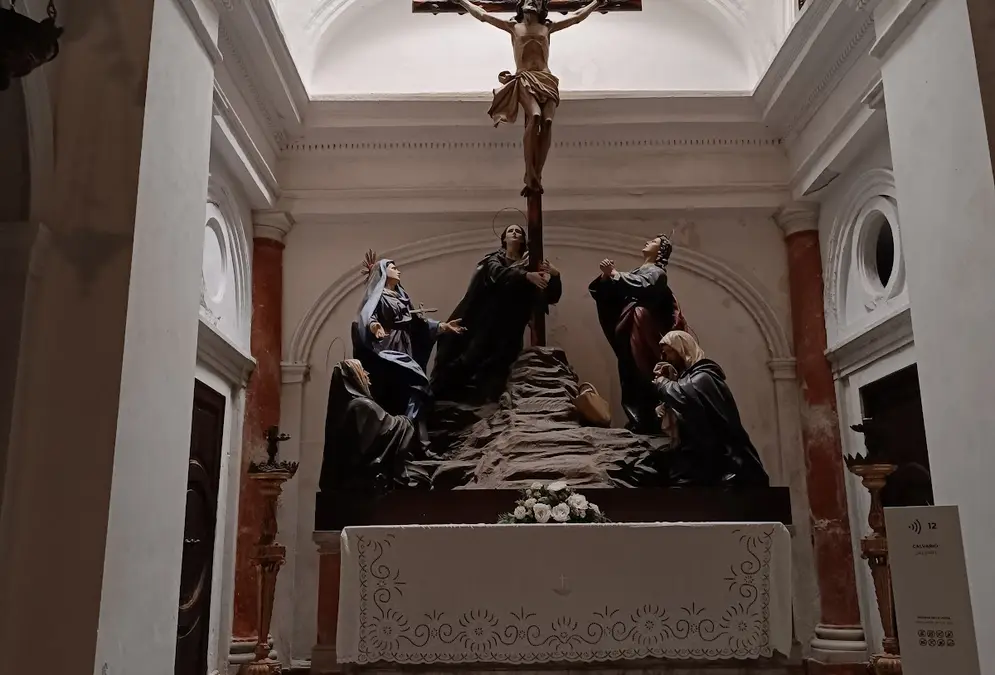
Two chapels, one below the other: a bare underground oratory and an oval upper chapel with three Goya canvases. €5 general entry; no Sunday hours listed.
-
Oratorio de San Felipe Neri
Monument
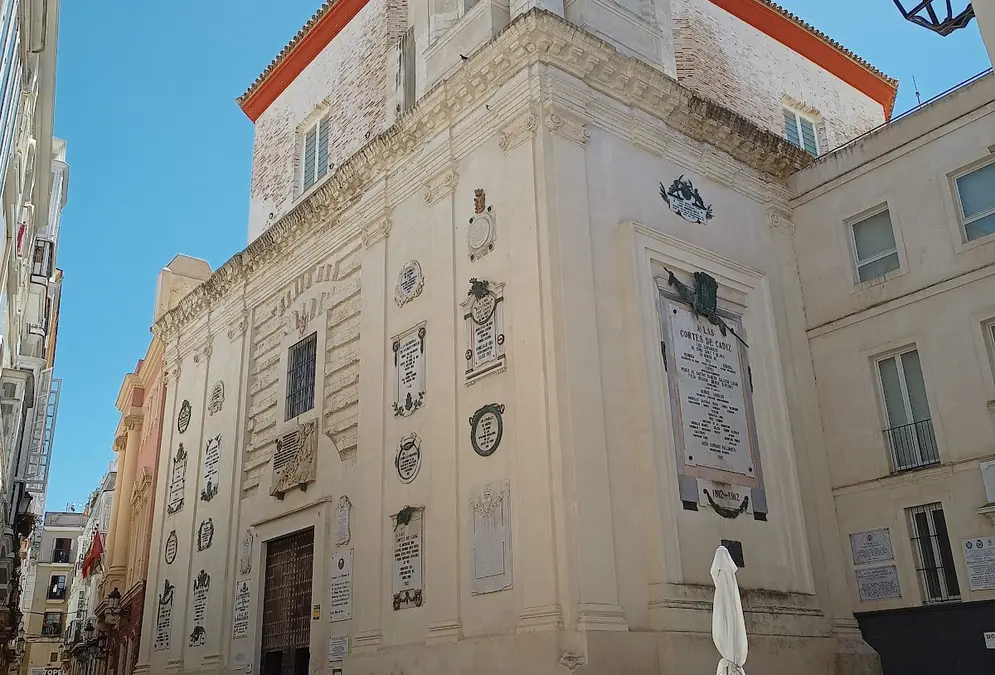
Baroque oratory in Cádiz where the Cortes sat from 1811 and the 1812 Constitution was promulgated. Elliptical plan, rococo altar; hours and €5 ticket listed.
-