food-loverscouples
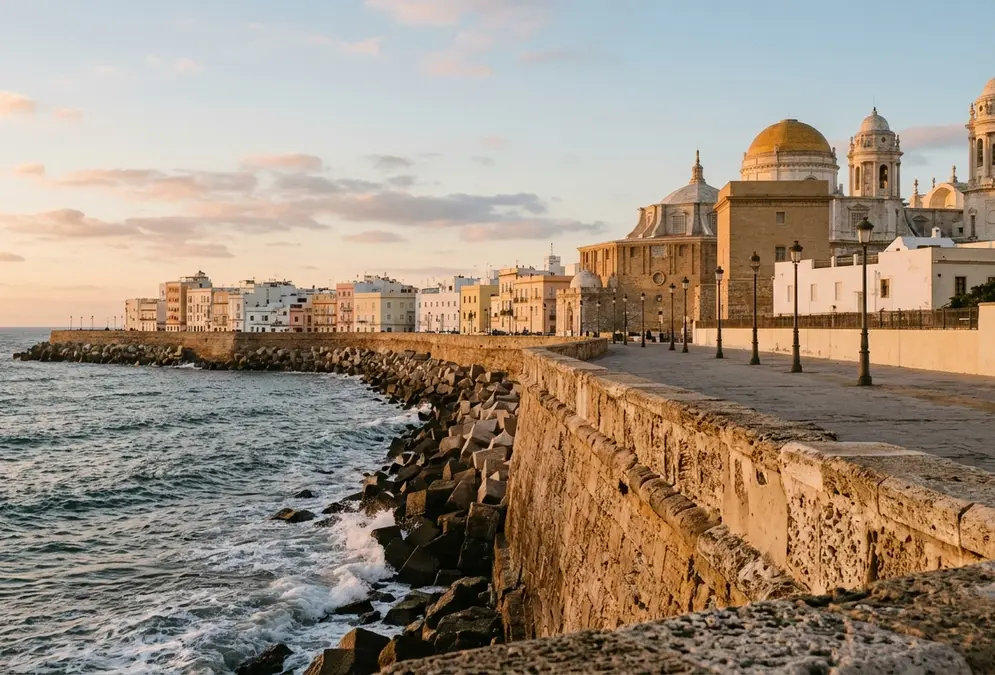
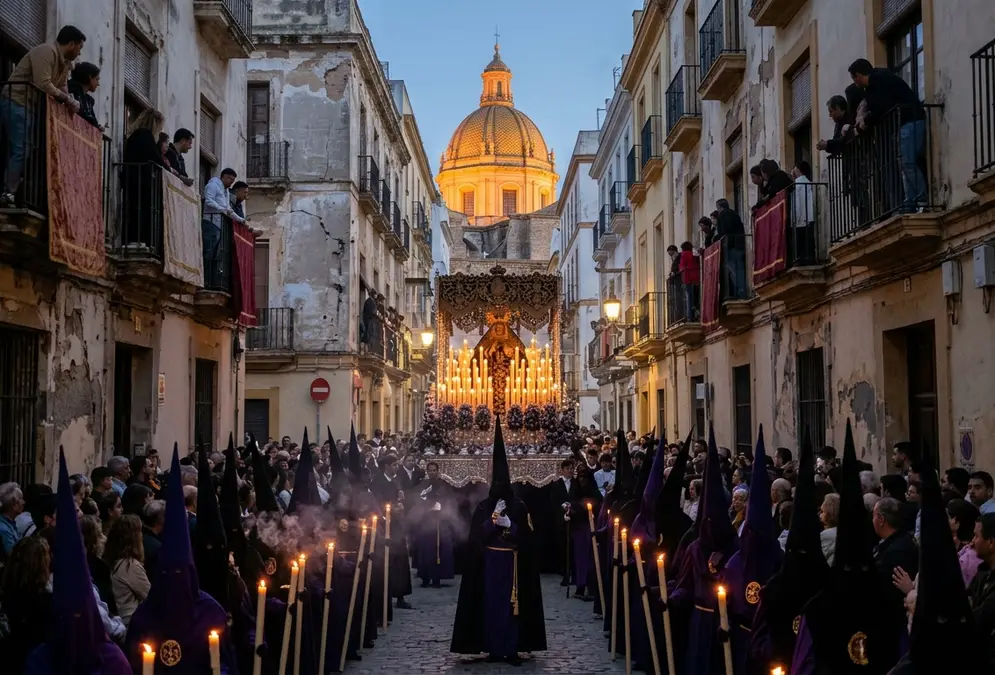
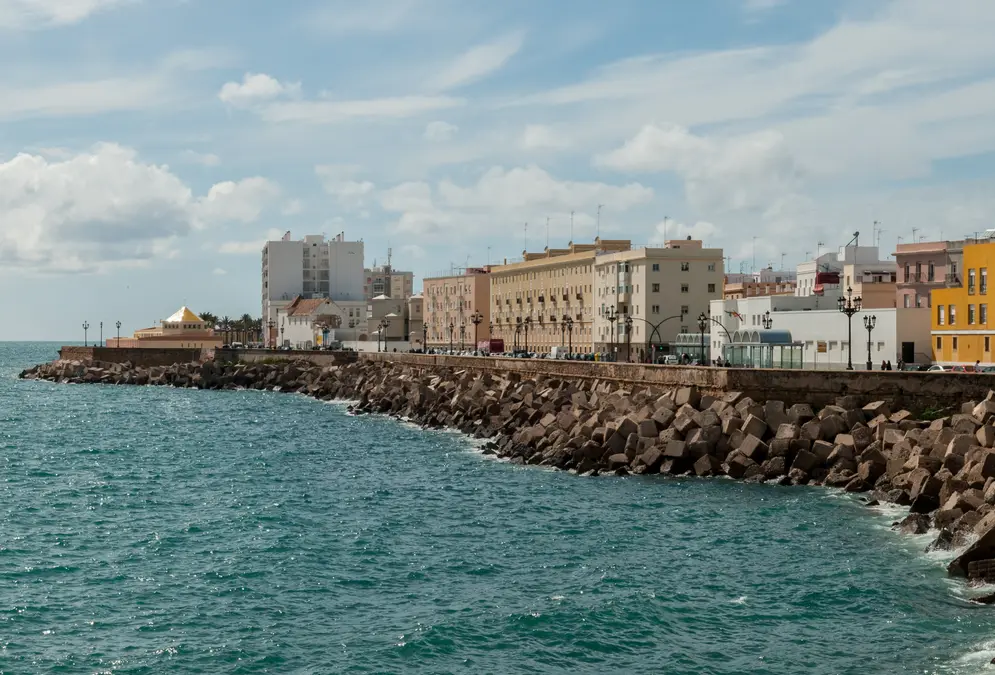
Panoramic view of the La Viña neighbourhood
Neighbourhood of Cádiz

La Viña: Cádiz's Fishermen's Quarter and Carnival Heart

A working fishermen's quarter of narrow lanes, fresh-fish bars and Carnival memorabilia, a short walk from La Caleta beach

La Viña is Cádiz's fishermen's quarter and the heart of its Carnival: narrow streets, fresh-fish bars, the Palma church and La Caleta beach a few steps away.

Portrait of Lucía Barbera Quintero
Written by

Historian specialising in Cádiz's ancient, colonial and constitutional heritage.

Updated

Is La Viña your base?

Suits food lovers and anyone who wants the most local-feeling part of the old town. Expect crowds and noise in January and February during Carnival.

  • Food lovers
  • Couples
  • Gastronomy
  • Cultural

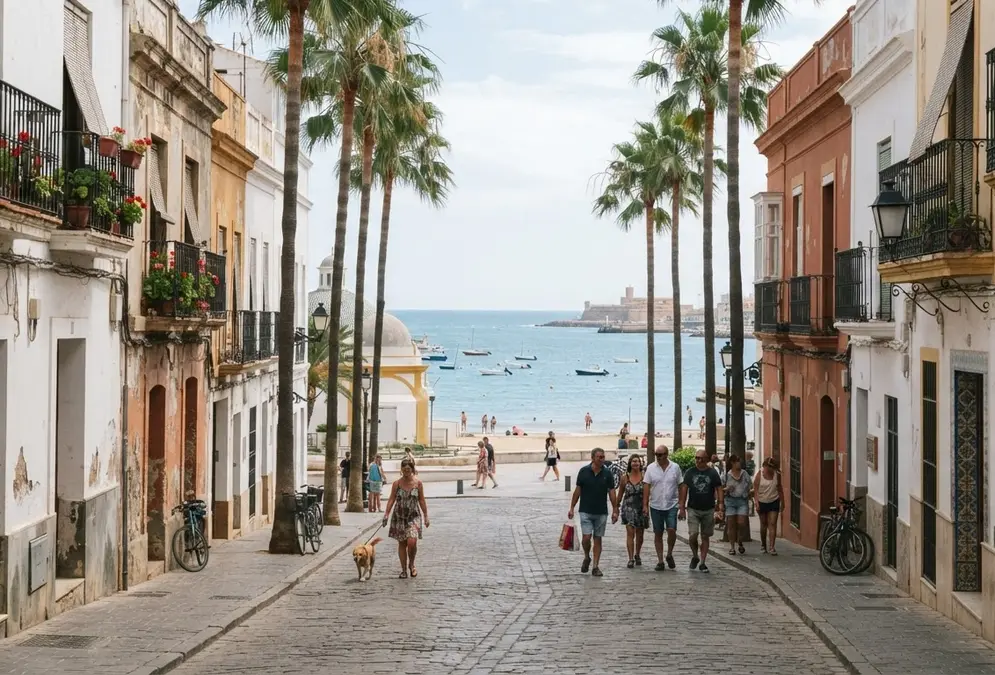
La Viña sits in the north-western corner of the old town, between Calle de la Rosa and Calle Sagasta, and it is the neighbourhood where Cádiz feels least like a monument and most like a place people live. The name comes from the vineyards that covered the ground before it was built over in the 18th century, and the families who moved in were fishermen who worked the beach at La Caleta. Narrow lanes, whitewashed houses and bars selling fresh fish are what the quarter still looks like today, and it remains the nerve centre of the Cádiz Carnival.

The streets and what to look for

The quarter's main artery is Calle Virgen de la Palma, a short, crowded street that runs down towards the sea. At its upper end stands the baroque church of the Virgen de la Palma, built in the 18th century, and the street finishes at the sea walls beside the Castillo de San Sebastián and La Caleta. Nearby, Plaza Pinto goes by the name Plaza del Tío de la Tiza, after Antonio Rodríguez Martínez, a well-known Carnival figure.

The quarter's other landmarks are scattered along its edges:

  • the Balneario de Nuestra Señora de la Palma y del Real, the bathing house at the foot of the street
  • the Baluarte de los Mártires and Baluarte de Capuchinos, two bastions of the old defences
  • the former Hospicio Provincial
  • the Iglesia de Santa Catalina

La Caleta itself is flanked by two fortresses, San Sebastián and Castillo de Santa Catalina, so a walk through La Viña ends naturally with a stroll along the water. Beside the beach stands the Busto de Paco Alba en La Caleta, commemorating the Carnival composer Paco Alba (1918–1976), creator of the Cádiz Carnival comparsa.

Carnival, in the quarter that invented its mood

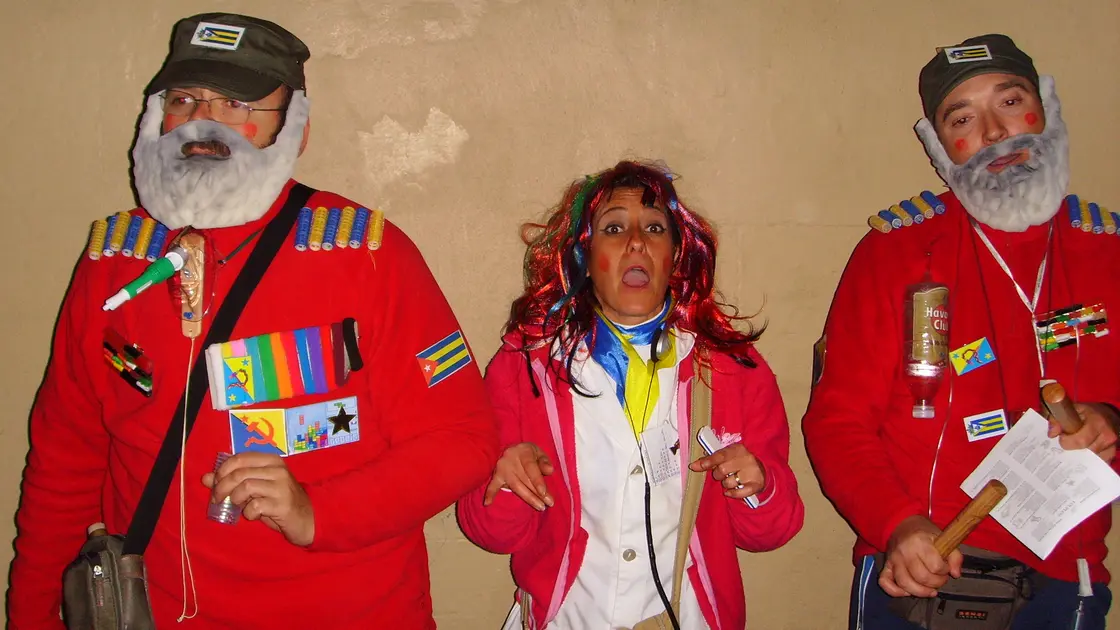
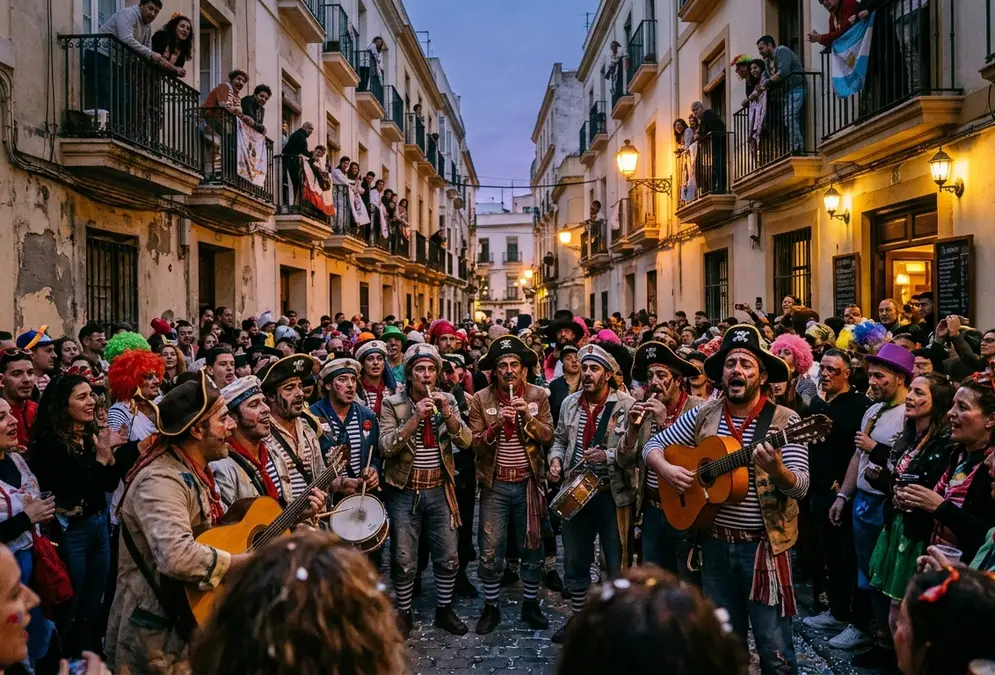
The whole city takes part in the Carnival for more than two weeks every year, and the festival is recognised as a Fiesta of International Tourist Interest. La Viña is where it feels most local.In the last two weeks of January the city warms up for Carnival with four food festivals: the Pestiñada, the Erizada, the Ostionada and the Mejillonada. The Erizada, a sea-urchin feast held in La Viña, is the oldest of them, and Calle Virgen de la Palma fills for it.

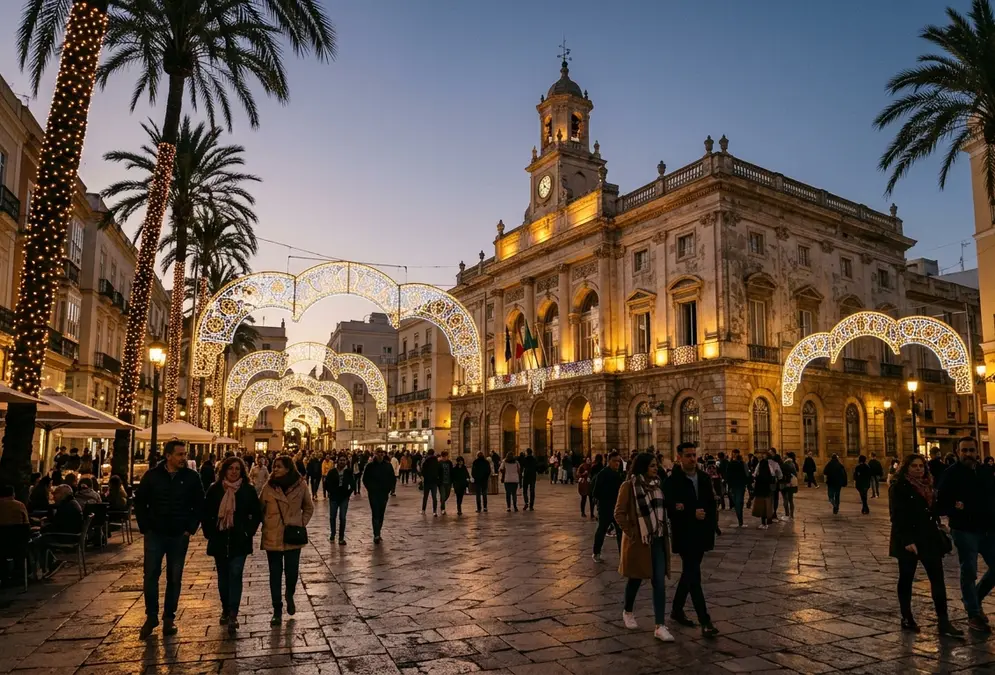
Outside Carnival season the quarter is calmer but not empty, and the narrow streets and fresh-fish bars are still its natural setting.

Eating and drinking

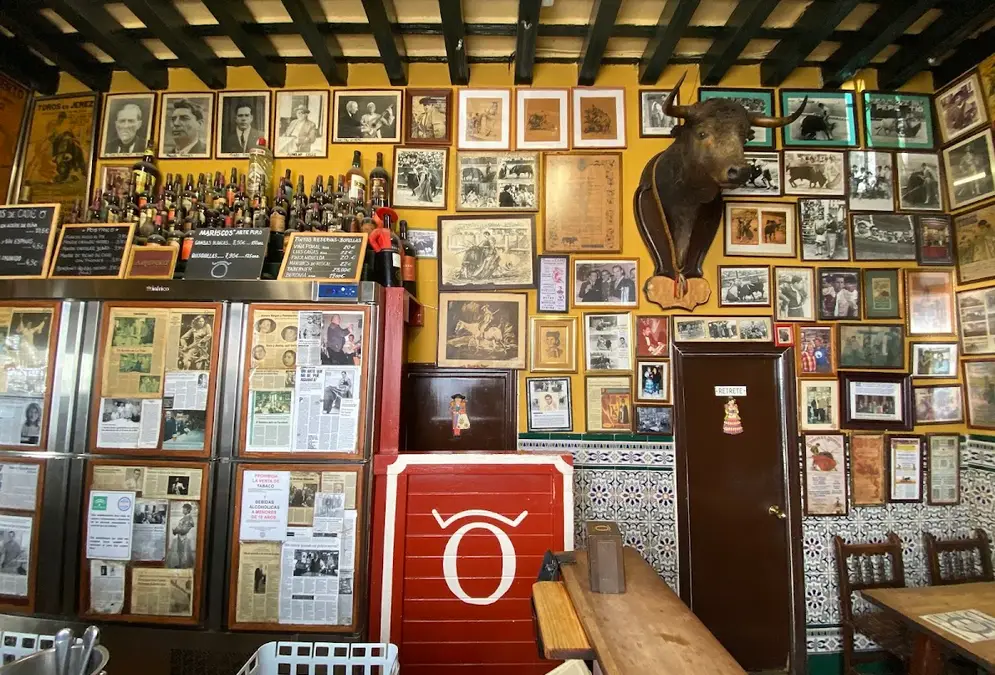
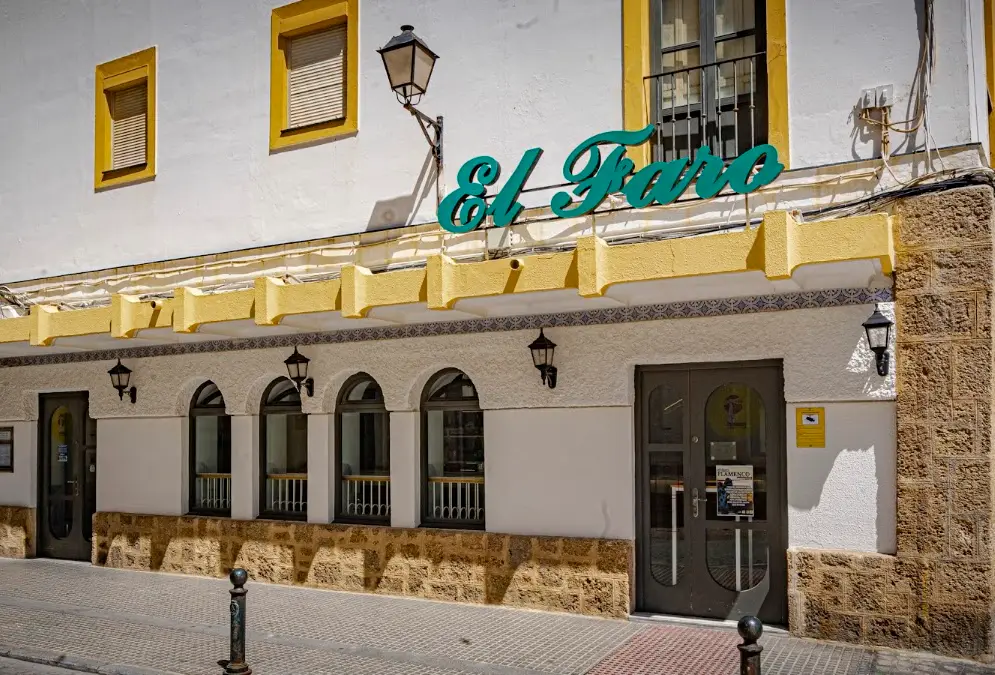
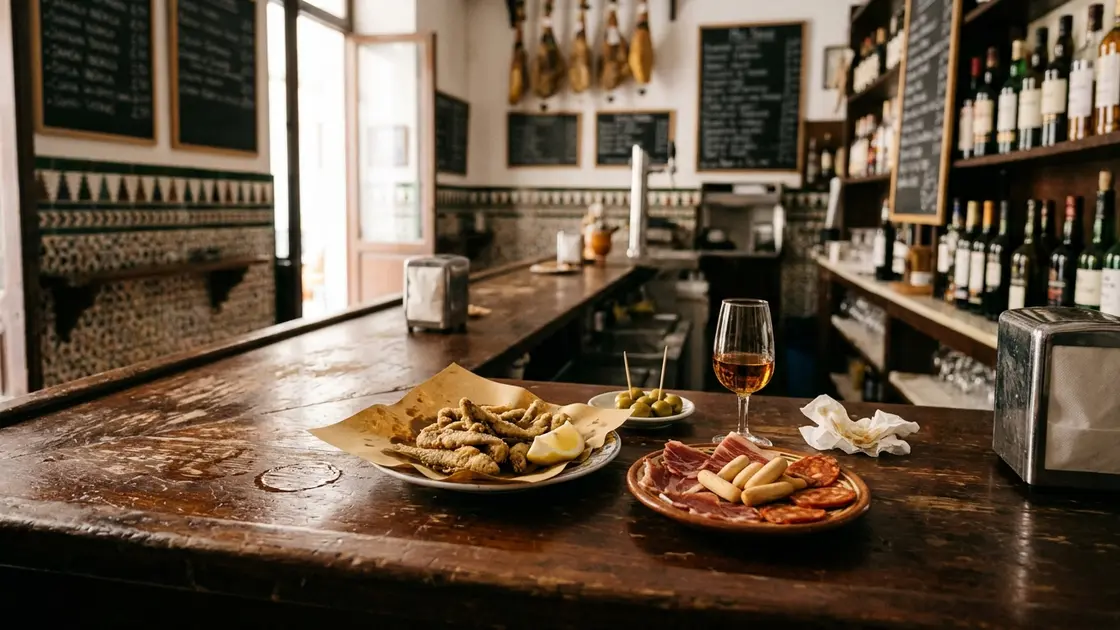
This is a fried-fish and seafood neighbourhood, and the sensible approach is to graze rather than book a table. Casa Manteca, open since 1953, is the best-known tavern: bullfighting photographs and posters cover the walls, and the counter is known for chicharrones and mojama. Order a few plates, drink something cold and dry, and move on to the next bar. Small, standing-room places are the norm, so avoid arriving with a large group in the evening rush.

Getting there and where it fits

La Viña is easy to combine with the rest of the old town on foot. Go on from here to El Pópulo and the Cádiz Cathedral, or walk the other way to the beach. The lanes are flat and short, so an hour is enough for the streets and another hour or two will cover a bar crawl and a swim or a sit on the sand at La Caleta. It also works as a base for a few nights if you want to be among the bars rather than near the main shopping streets, though the noise is part of the deal during Carnival.
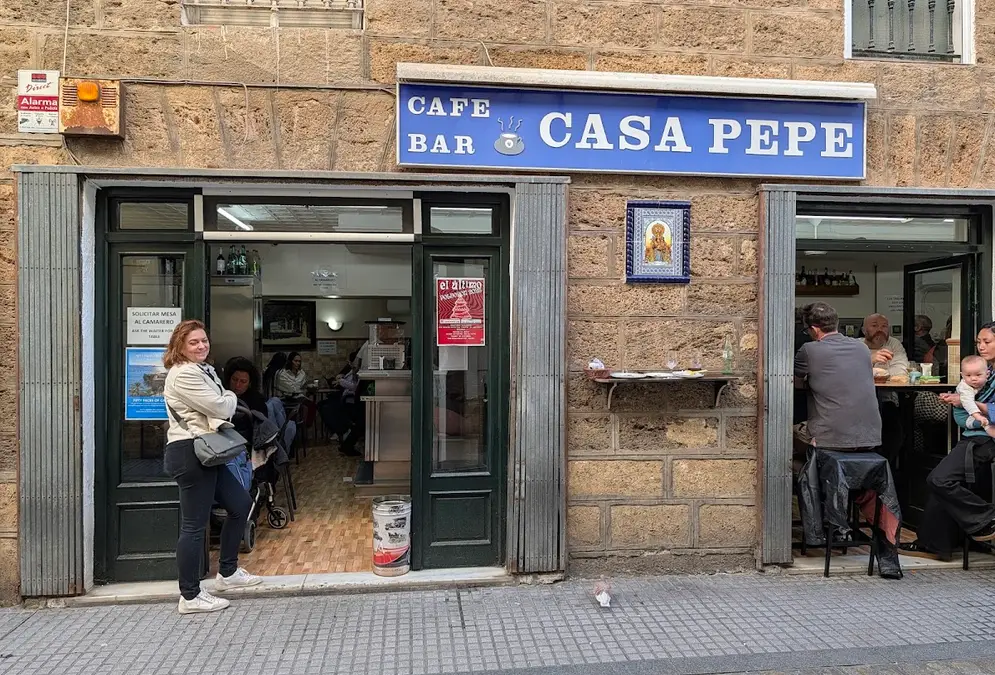
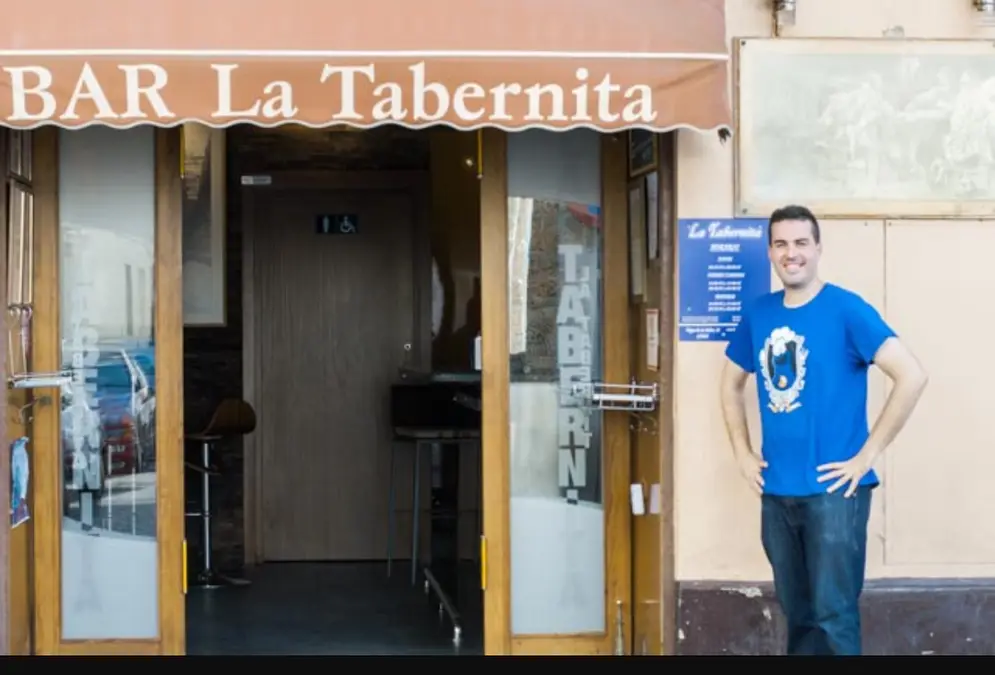
The bars are the neighbourhood's social centre and its Carnival archive, and most are small enough that you end up talking to the next customer.

Do

Insider tips

  • Come in the last two weeks of January The Erizada and the other Carnival food festivals fill Calle Virgen de la Palma at that time. It is the liveliest moment to visit, but go early in the day or expect to stand.
  • Order the counter snacks at Casa Manteca The tavern, open since 1953, is known for chicharrones and mojama. Ask for a small plate of each and look at the bullfighting photographs on the walls while you wait.
  • Graze, do not settle The bars are small and made for a drink and a plate or two. Move on after each round and finish with a walk down to La Caleta rather than booking a long sit-down meal.

Frequently asked questions

What is La Viña famous for in Cádiz?

La Viña is known as the old fishermen's quarter and as the nerve centre of the Cádiz Carnival. Its narrow streets, whitewashed houses and fresh-fish bars make it the most local-feeling part of the old town.

Why is La Viña called the Carnival neighbourhood?

The Carnival is centred here, and the Erizada, the oldest of its food festivals, is held in the neighbourhood. Plaza Pinto is even nicknamed after Antonio Rodríguez Martínez, a well-known figure of the Cádiz Carnival.

Where are the best tapas in La Viña?

Start on Calle Virgen de la Palma, the main street. Casa Manteca, a tavern open since 1953, is the best-known address, with chicharrones and mojama at the counter. Move between small bars rather than settling in one.

How do I get from La Viña to La Caleta beach?

Walk down Calle Virgen de la Palma. The street ends at the sea beside the Castillo de San Sebastián and La Caleta, so it takes only a few minutes on foot.

What is the Erizada in Cádiz?

The Erizada Popular is a sea-urchin feast held in La Viña and the oldest of the Carnival food festivals. It takes place in the last two weeks of January, and Calle Virgen de la Palma fills for it.

Is La Viña a good area to stay in Cádiz?

It suits visitors who want to be among the bars, the beach and the old town on foot. In Carnival season the streets are busy and loud, so ask for an interior room or choose another quarter if you want quiet.

What is Tío de la Tiza square?

It is the nickname of Plaza Pinto, in the heart of La Viña, given in honour of Antonio Rodríguez Martínez, an important figure of the Cádiz Carnival.

Cádiz Cathedral Extramuros 1 El Pópulo 2 Santa María 3 Barrio del Mentidero 4 La Caleta 5
Where La Viña sits. Not to scale. Open in Google Maps

Further reading

Sources

19 references Show
  1. hoteles.net

    “Se trata de un popular barrio cuyo origen se remonta al siglo XVIII.”

  2. hoteles.net

    “fueron las clases más humildes, dedicadas a la pesca, las que los habitaron. Se dedicaban a faenar en la Playa de La Caleta.”

  3. hoteles.net

    “Se halla en la parte noroccidental de la villa, entre las calles de la Rosa y Sagasta”

  4. hoteles.net

    “nos encontraremos con la iglesia barroca de la Virgen de La Palma, del siglo XVIII.”

  5. hoteles.net

    “la Plaza del Tío de la Tiza, en honor a Antonio Rodríguez Martínez, un importante personaje del carnaval gaditano”

  6. hoteles.net

    “el Balneario de Nuestra Señora de la Palma y del Real, el Baluarte de los Mártires, el Baluarte de Capuchinos, el Antiguo Hospicio Provincial o la Iglesia de Santa Catalina.”

  7. hoteles.net

    “la famosa Taberna Casa del Manteca. Se trata de un local del año 1953”

  8. hoteles.net

    “es el centro neurálgico de los carnavales gaditanos”

  9. andaluciadestinodecine.com (opens in a new tab)

    “La Viña owes its name to the vineyards that once existed in the area before its urbanization in the 18th century.”

  10. andaluciadestinodecine.com (opens in a new tab)

    “La Caleta, which is flanked by two majestic castles, San Sebastián and Santa Catalina.”

  11. andaluciadestinodecine.com (opens in a new tab)

    “The central hub of this neighborhood includes Virgen de la Palma Street and the popular Tío de la Tiza Square, where you can visit the Church of La Palma.”

  12. festivalesdeespana.com (opens in a new tab)

    “La Erizada Popular es la decana de las fiestas gastronómicas del Carnaval de Cádiz.”

  13. festivalesdeespana.com (opens in a new tab)

    “La Calle Virgen de la Palma es su arteria principal y se llena para la erizada.”

  14. festivalesdeespana.com (opens in a new tab)

    “Sus calles estrechas, sus casas blancas y sus bares de pescado fresco son escenario natural del carnaval más auténtico.”

  15. andalucia.org (opens in a new tab)

    “Durante las dos últimas semanas del mes de enero, la ciudad empieza a prepararse para su fiesta más representativa”

  16. Wikipedia — Carnival of Cádiz (opens in a new tab)

    “The whole city participates in the carnival for more than two weeks each year”

  17. Wikipedia — Carnival of Cádiz (opens in a new tab)

    “Fiesta of International Tourist Interest”

  18. Wikipedia — Paco Alba (opens in a new tab)

    “Francisco José María del Sagrado Corazón de Jesús Alba Medina, más conocido como Paco Alba (Conil de la Frontera, 23 de abril de 1918-Cádiz, 15 de enero de 1976), fue un músico, letrista español, compositor de coplas de carnaval. Considerado en el mundo del carnaval gaditano como el creador de la comparsa del Carnaval de Cádiz y uno de los máximos exponentes de esta fiesta.”

  19. Wikipedia — Carnaval de Cádiz (opens in a new tab)

    “Carnavaleros históricos[editar] Busto de Paco Alba en La Caleta”