
El Mentidero sits at the north-western end of Cádiz's historic centre, in district 1, and it was built on what used to be orchard land. Its urbanisation was planned in the mid-18th century and the square that gave the quarter its name was finished around 1773, becoming the axis of the new barrio. The name is the joke: mentidero means a place for telling tall tales. Idlers gathered here to trade rumours, falsehoods and uncertain news, and the spot was ironically nicknamed the Plaza de la Cruz de las Mentiras, the Square of the Cross of Lies.
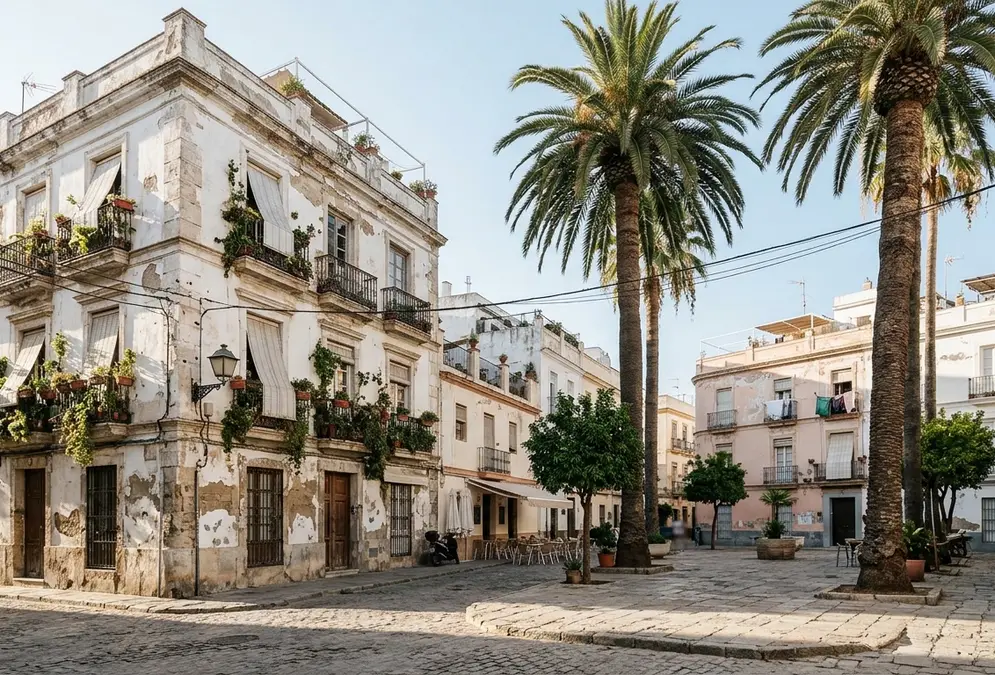
Today the Plaza del Mentidero is small and triangular, and it is most alive when Carnival is close. That is the thread to follow through the quarter: gossip, wit and public performance have a long address here. In practice the barrio is a quiet, residential grid of merchant-era houses, and what draws visitors is a short cluster of sights on its southern edge.
What to see in and around El Mentidero
The boundaries matter if you are using a map. The barrio is bounded by calle de la Torre and calle de San José to the east and by calle Sacramento to the south, which separates it from the neighbouring barrio of El Balón. Some of the best-known sights are therefore on its edge or just beyond it.
- Torre Tavira, at the corner of calle Sacramento and calle Marqués del Real Tesoro. Built in 1730 to watch maritime traffic in the Bay of Cádiz and warn the population of approaching ships, it stands 45 metres above sea level in the highest part of the old town.
- Casa del Carnaval, in the same Palace of the Marqueses de Recaño. It opened in May 2023 and ended up as an interpretation centre rather than the museum it was first called.
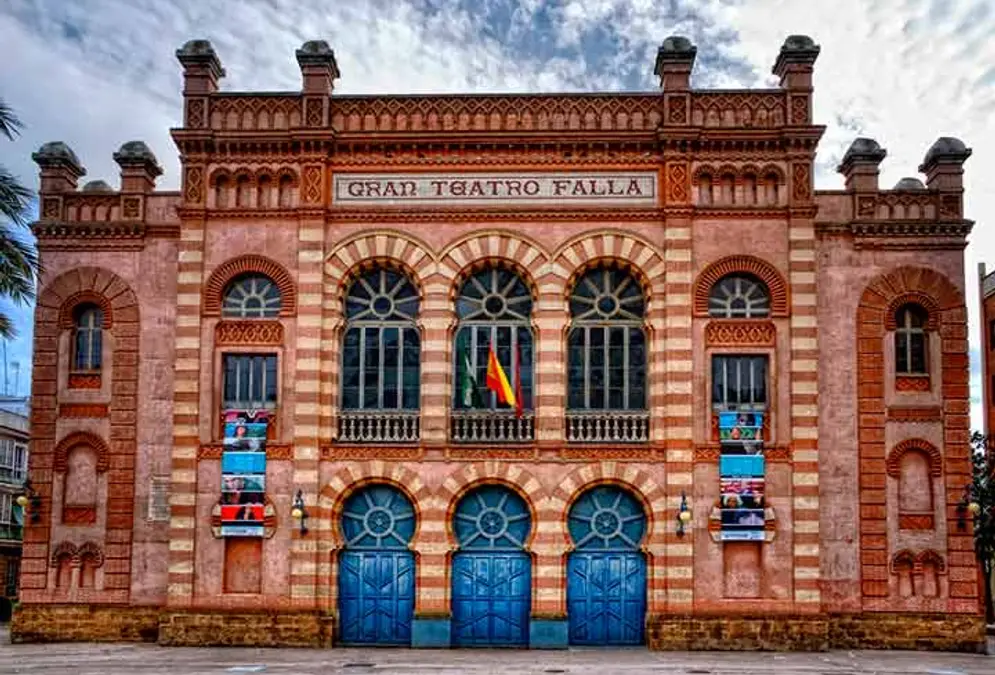
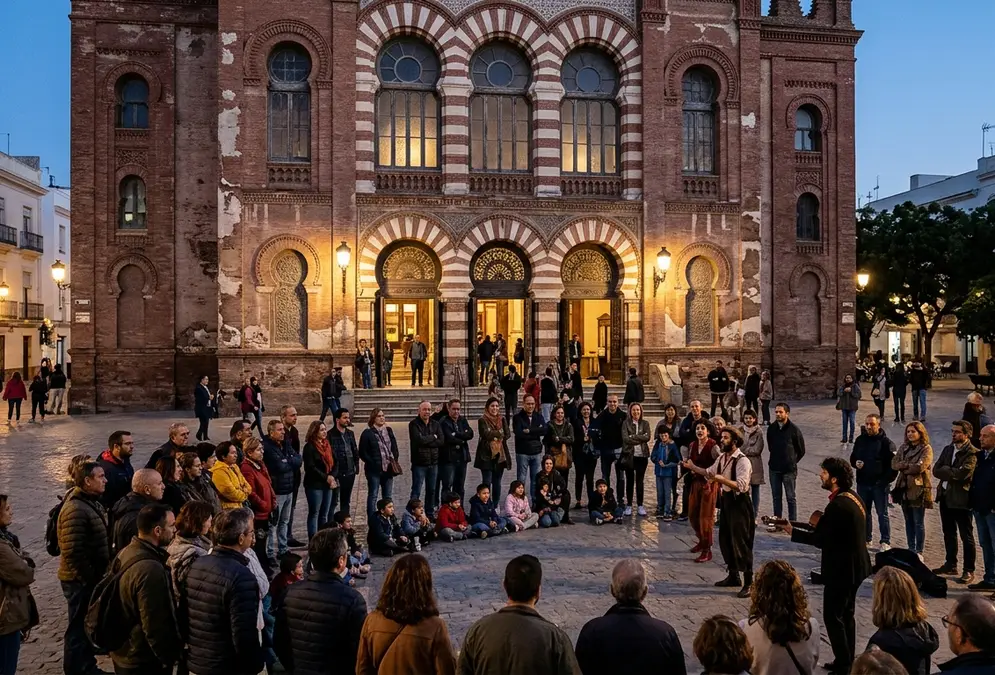
- Gran Teatro Falla, nearby on Plaza Fragela. This neo-Mudéjar theatre hosts the Carnival groups contest every February.
- Plaza del Mentidero itself, for the square and the rumour-mill story.
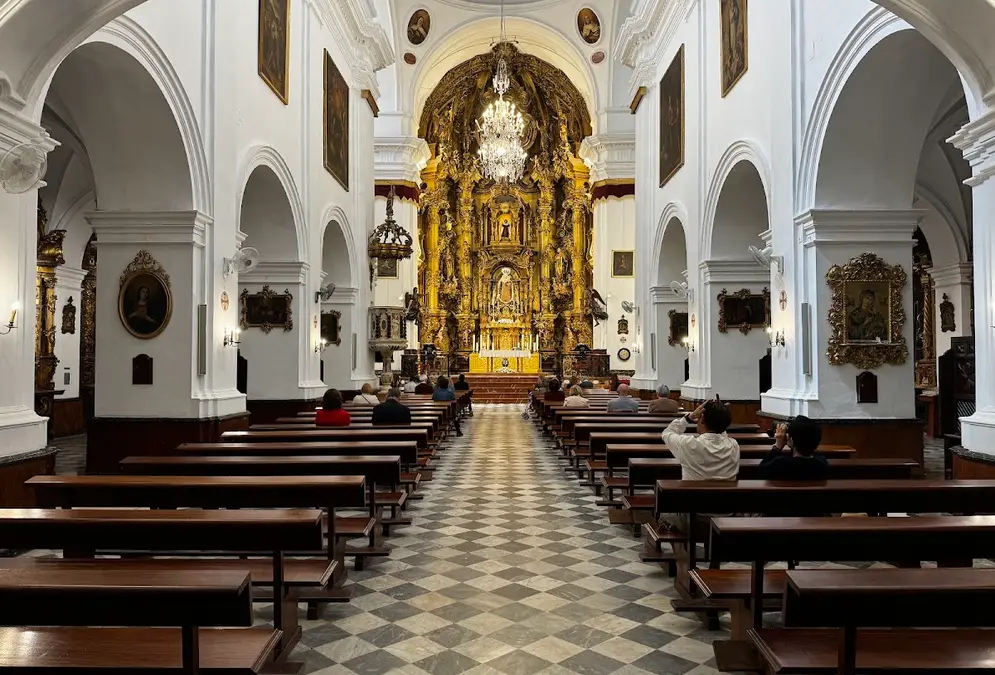
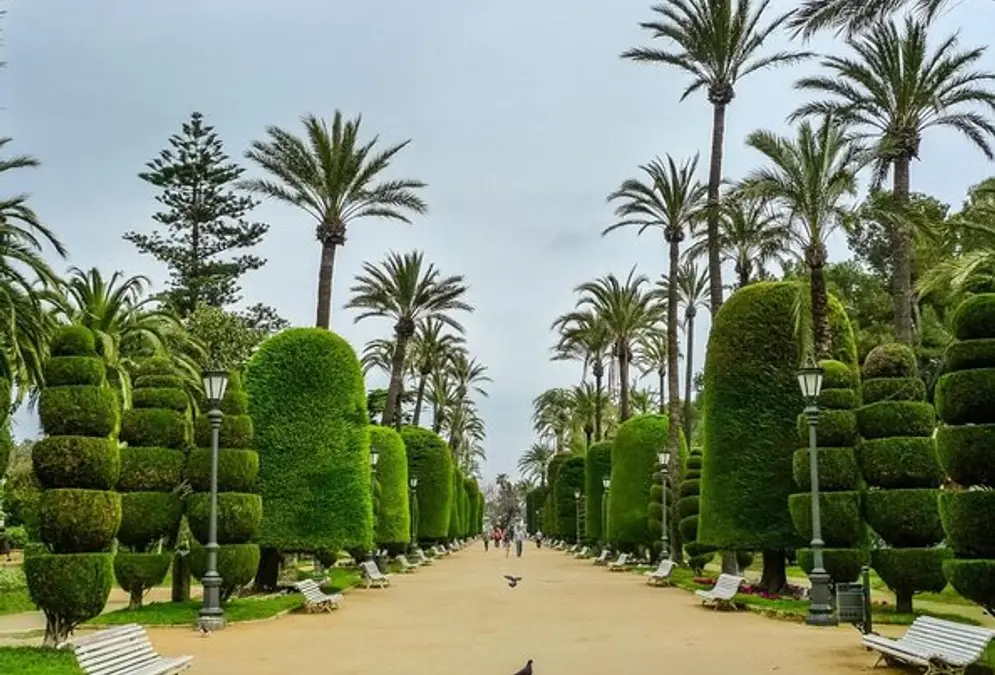
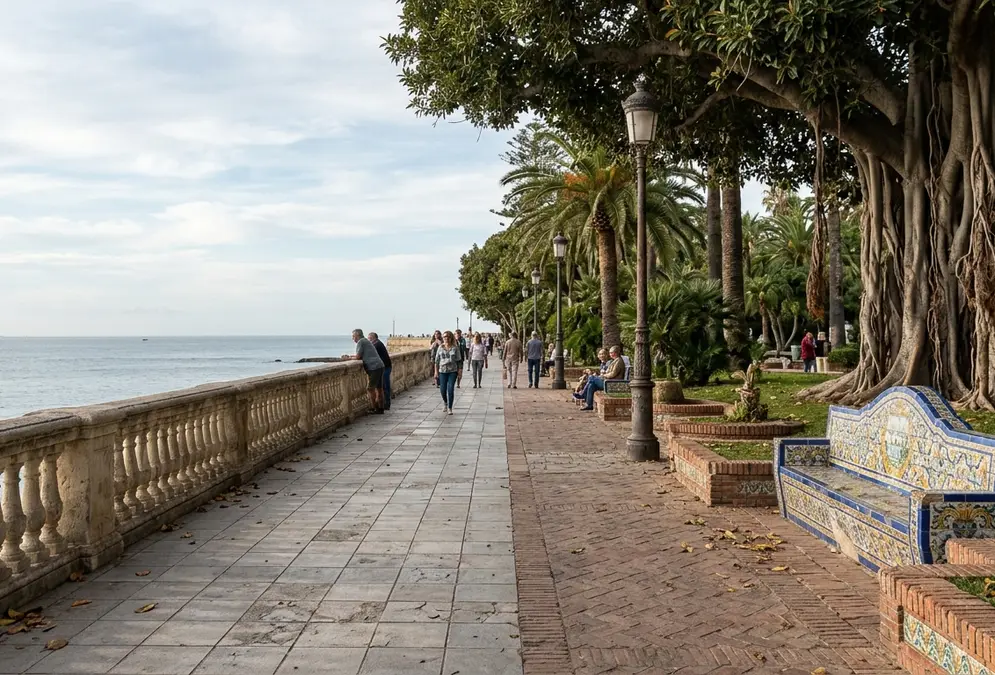
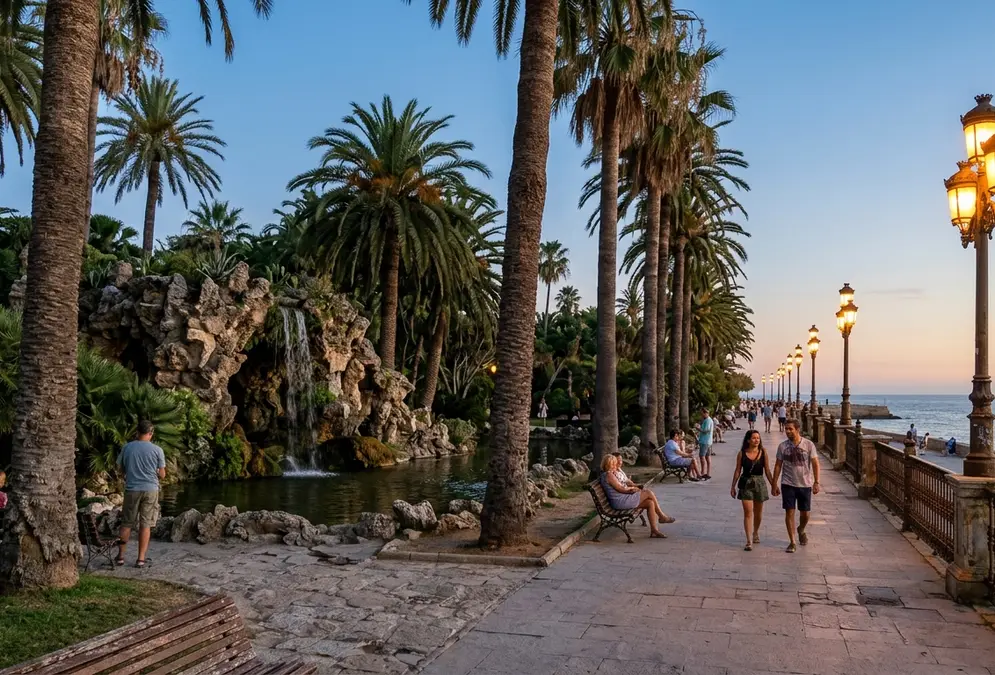
- Along the northern sea wall and the western edge of the quarter sit Parque Genovés, the Baluarte de la Candelaria and the Iglesia del Carmen, where the Alameda walk continues east to Barrio de San Carlos.
Torre Tavira and the camera obscura
The tower takes its name from its first watchman, retired Frigate Lieutenant Antonio Tavira. The palace it belongs to was also built in 1730 and has been a Property of Cultural Interest since 2005. The draw is the camera obscura: two lenses and a mirror project live, moving images of the city onto a surface while a guide explains Cádiz's history and monuments, with a 360º view from the lookout.
The official site lists general admission at €8 and reduced at €6, but the page is undated, so confirm before you go. Visits last 45 minutes and need prior booking. Hours run 10:00 to 18:00 from October to April and 10:00 to 20:00 from May to September, and the tower closes on 25 December, 1 January and 6 January.
Carnival and the Mentidero
Carnival is the reason many visitors know the quarter's name. The Concurso de Agrupaciones, the contest for the chirigotas and comparsas, takes place at the Gran Teatro Falla every February, and the Casa del Carnaval gives context the rest of the year. For a different flavour of the old town, walk on to La Viña, the Carnival heartland on the other side of the centre.